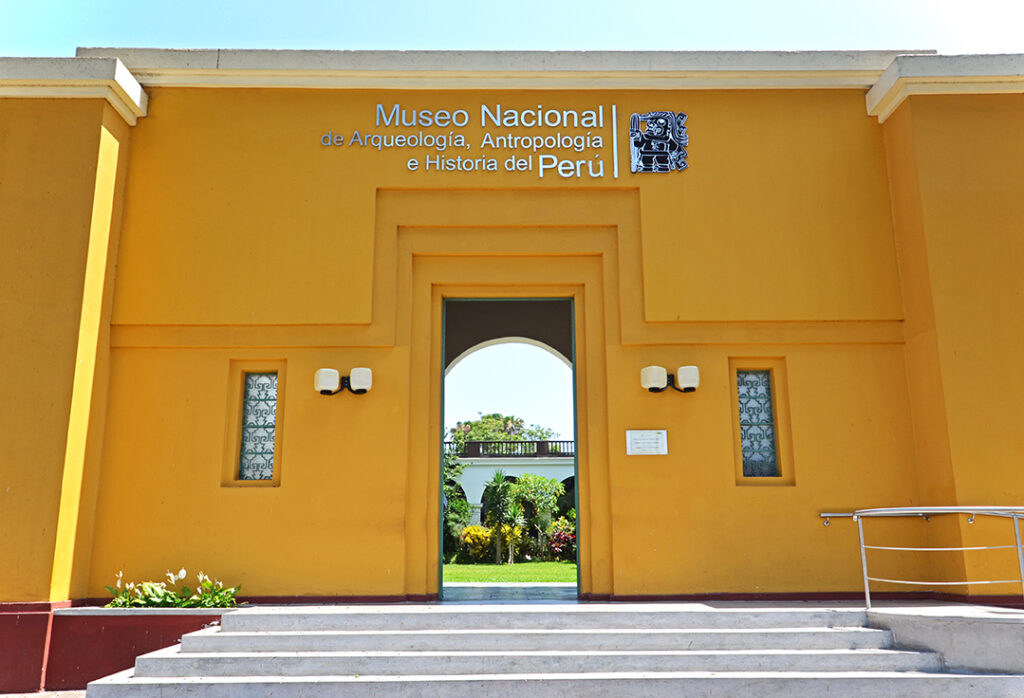

The director of the National Museum of Archaeology, Anthropology, and History of Peru (Mnaahp), Rafael Varón, stated that a future Peru China museum exchange presents a strong opportunity to build bilateral cultural cooperation. He pointed to the current success of the “Maíz-oro-jaguar” exhibition, which features ancient Maya and Andean civilizations. This event runs in Beijing through October 2026 and highlights the effectiveness of joint work between Latin America and Asia.
Ongoing Talks with Major Asian Institutions
Varón confirmed that Mnaahp is holding direct conversations with major cultural centers in Asia to finalize upcoming bilateral projects. Peruvian representatives recently visited Beijing to discuss options with the Palace Museum, widely known as the Forbidden City, and the National Museum of China.
A key focus of this proposed Peru China museum exchange involves technical preservation. Historical collections require meticulous preventive conservation using both traditional methods and modern technology. Varón suggested that specialized training sessions with Chinese restoration experts would significantly improve the skills of Peruvian museum staff and update their preservation protocols.
Previous Exhibitions and Growing Mutual Interest
Peruvian museums have a documented history of collaboration with Asian institutions. They have participated in four large-scale international exhibitions in China over recent years, providing original pieces to complete the display narratives. Varón recalled the 2016 exhibition titled “Two Cultures United by the Same Ocean” hosted at the Mnaahp in Lima. That specific event brought Chinese cultural relics, including the famous Terracotta Warriors, to South America and drew massive local crowds.
The director noted that this growing cultural interest stems directly from increased economic investments and the active presence of Asian companies in the Peruvian market. The steady flow of tourists and business leaders builds a continuous cycle of shared knowledge between both nations. A future exhibition of original Chinese artifacts in Lima would attract high visitor numbers.
Expanding Professional Training Programs
To solidify these institutional ties, Varón recommended practical mechanisms for the future. He proposed short-term exchange courses focused specifically on museography and preventive conservation for museum professionals. He also stated that Peruvian social sciences would benefit greatly if local archaeologists gained the chance to participate directly in active excavation sites within Chinese territory.