Lima's Golden Treasures
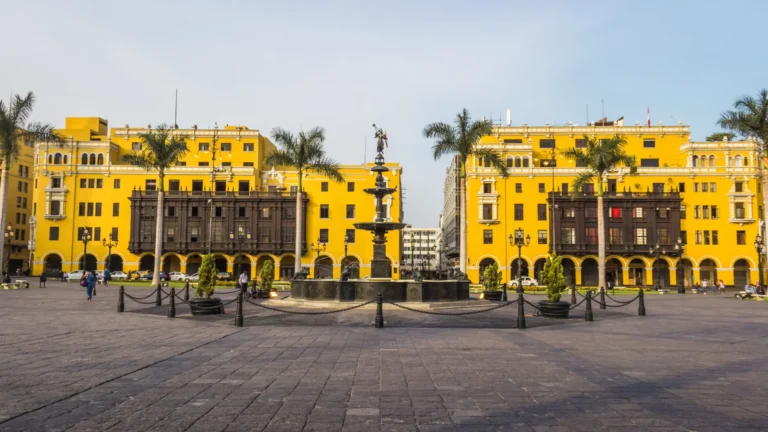
In Lima, the Gold Museum holds more than precious metal; it holds the worldview of ancient civilizations. These golden relics were not currency but symbols of divine power and status. At the Larco Museum, the narrative continues through pottery. Its vast collection includes the famous Moche "erotic pottery," offering a rare and candid glimpse into the social and ritualistic lives of cultures that thrived over a thousand years ago.
The Sacred Valley's Living History
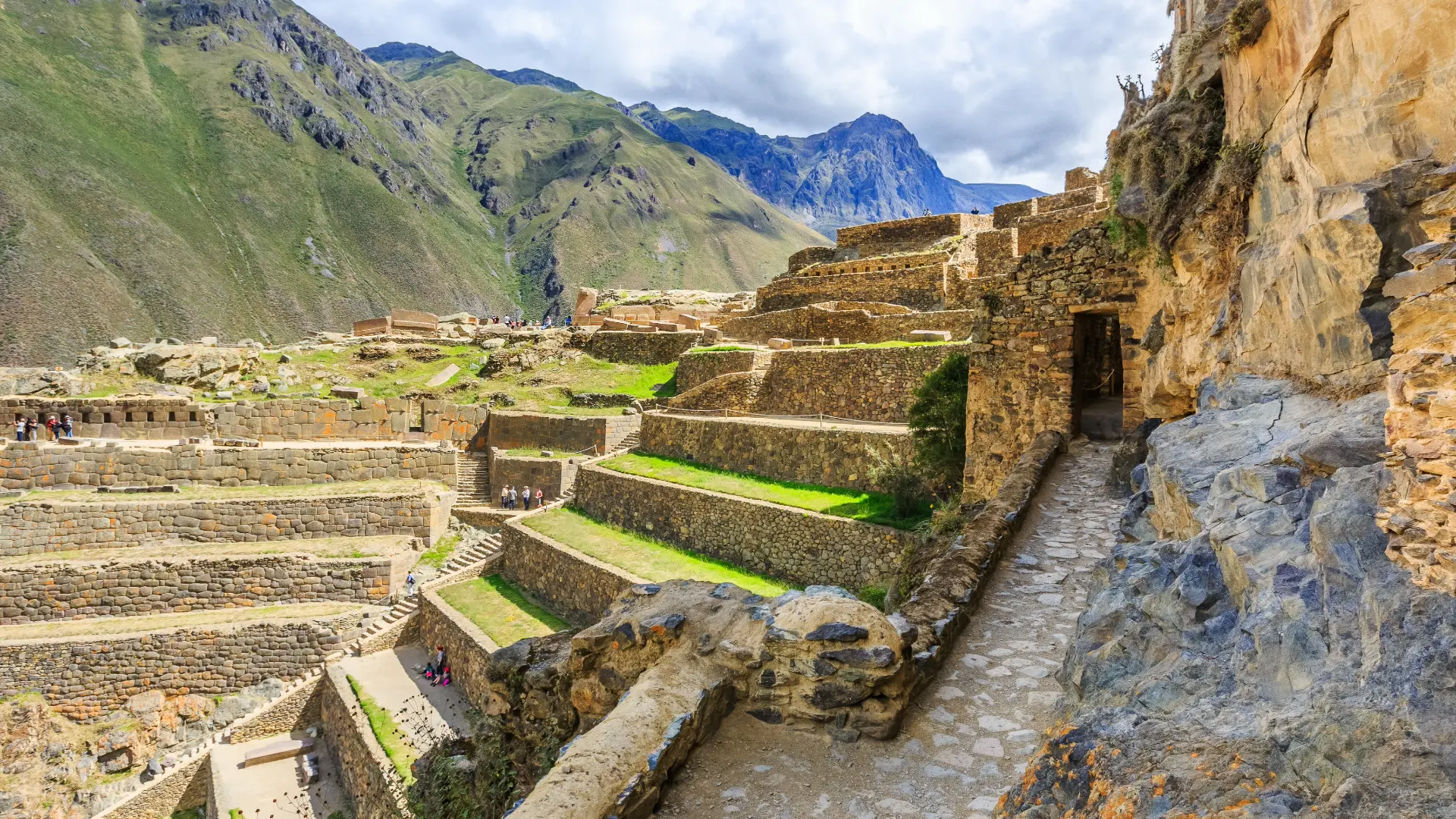
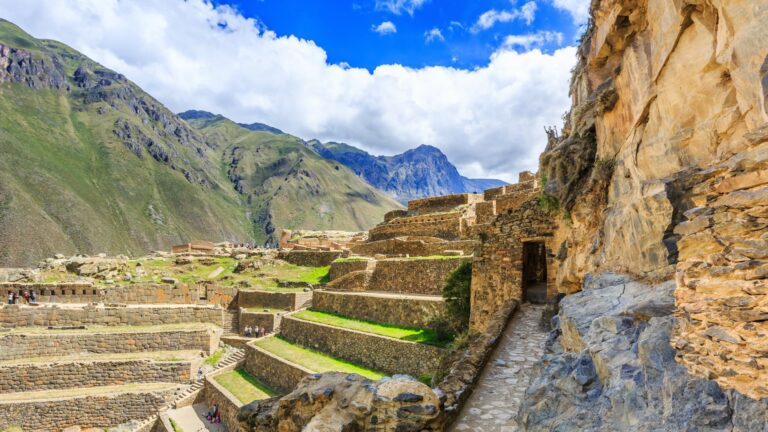
Ollantaytambo is one of the few continuously inhabited Inca towns, where residents walk streets laid out by their ancestors. Its fortress was the site of a rare Inca victory against the Spanish. Nearby, the Maras salt mines create a stunning mosaic of thousands of shimmering pools. This ancient harvesting method, passed down through generations, relies on a single hypersaline spring that has flowed for centuries.
Moray's Agricultural Genius
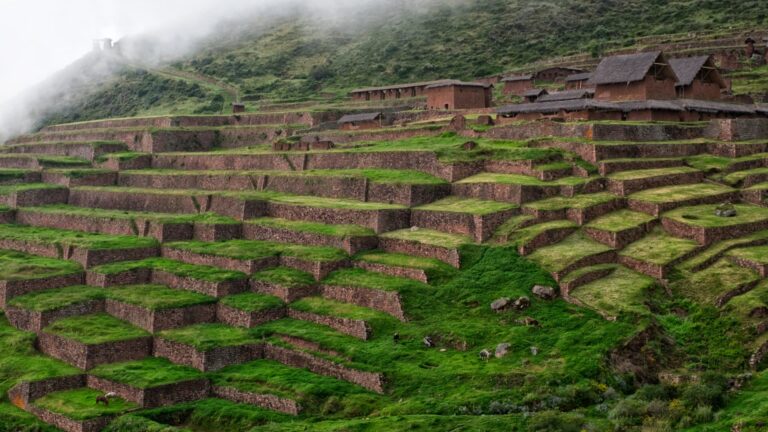
The circular terraces of Moray are a masterpiece of Inca science. Far from being a simple amphitheater, it was an advanced agricultural laboratory. The temperature difference between the top and bottom levels can be as much as 15°C (27°F). This allowed the Incas to experiment with and domesticate different crops at various altitudes, a key to the empire's agricultural success and a reason Peru now boasts thousands of potato varieties.
Cusco's Imperial Majesty
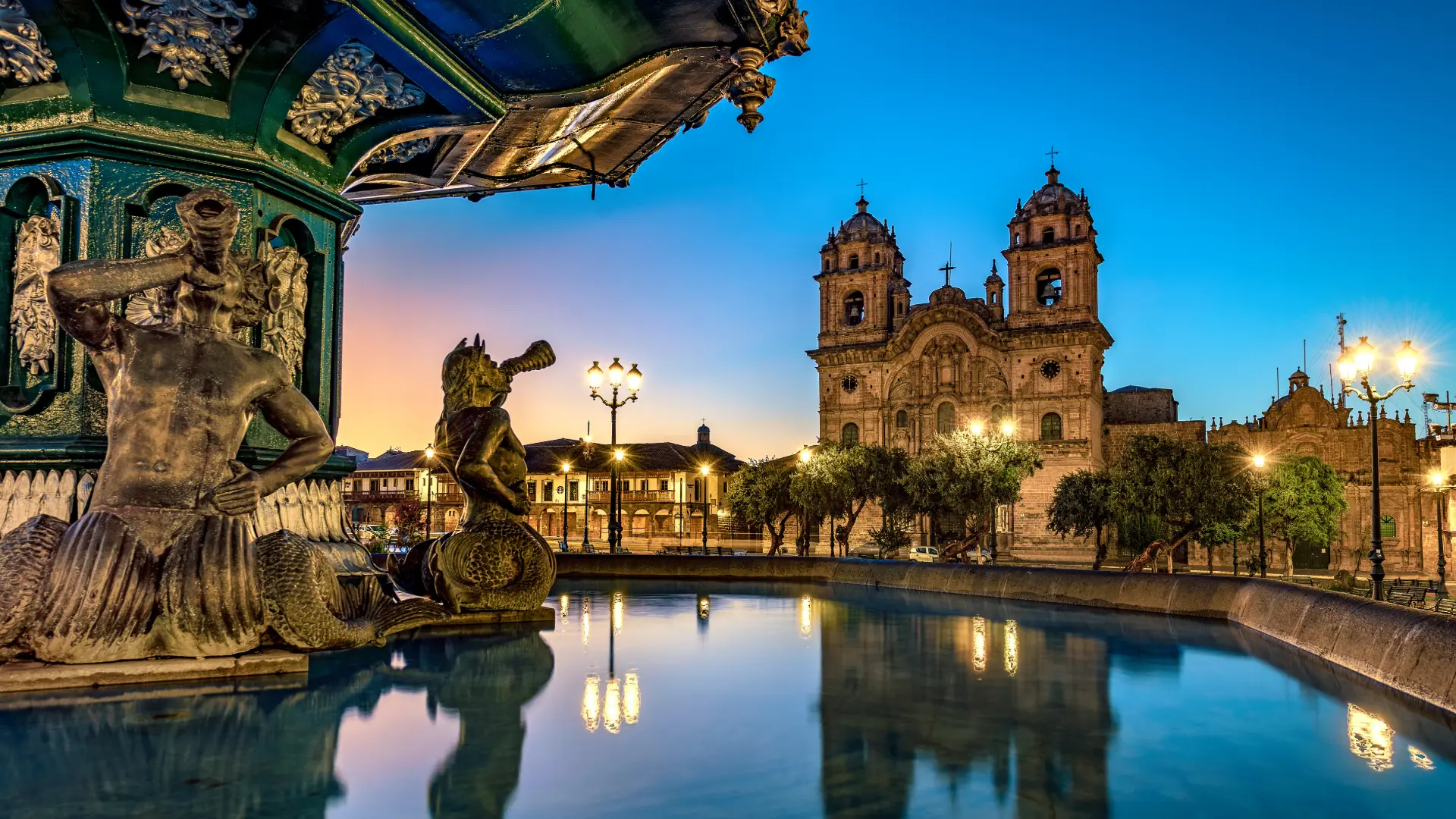
In Cusco, the sacred Qorikancha was the literal center of the Inca world, its walls once famously covered in sheets of pure gold. When the Spanish conquered the city, they built the Church of Santo Domingo directly on its divine foundations. Overlooking the city, the fortress of Sacsayhuaman stands as a testament to impossible engineering. Its massive stones, some weighing over 120 tons, are fitted together so perfectly that not even a single piece of paper can slide between them.