Cusco Treks

The Andes around Cusco are one of the best places in the world to trek. Walk the stone paths of the Inca Trail to Machu Picchu or explore other mountain routes with local guides who know the terrain, the weather and the culture. We take care of the permits, camping and logistics, so you can focus on the trail.

Cusco Treks for Every Level

Our Cusco treks take you through the high Andes on the same stone paths the Incas once walked. Choose the Classic Inca Trail for four days of ruins and cloud forest, or the Short Inca Trail if you have less time, both ending at Machu Picchu. Every trek comes with local guides who know the terrain and the weather, and we take care of the logistics so you can focus on the trail.

4 Day - 3 Night Moderate to Challenging

Inca Trail 4 Days to Machu Picchu – Classic Inca Trail

There are many ways to experience Machu Picchu, but few take you there on foot along a route that winds through mountains, cloud forests, and ancient Inca sites. Over the course of four days, you’ll f…

4,215 meters English / Spanish
2 Day - 1 Night Moderate

Short Inca Trail to Machu Picchu: 2-Day Inca Trail Tour

We craft journeys that capture the soul of the Andes. Our luxury Short Inca Trail is a private 2-day Inca Trail adventure. We designed this exclusive experience for discerning travelers. You will conn…

3,399 meters English / Spanish
LOCAL PERU TOUR OPERATOR SINCE 2006

Why Book Your Machu Picchu and Peru Tour with Qosqo Expeditions

We are not just a travel agency, we are your local hosts in Cusco and the Andes. Our mission is to turn your Peru vacation into a story of a lifetime. Unlike standard group tours, we offer hassle-free, fully personalized itineraries that put your safety first and connect you with Andean culture. From the Amazon rainforest to Machu Picchu and the Inca Trail, we handle every detail so you can focus on the journey.

01

Tailor-Made Peru Itineraries

We design bespoke Peru tours around your interests, so every trip fits your pace, dates and travel style.

02

Expert Local Guides in Cusco

Explore with passionate local guides who have over a decade of experience sharing the history and culture of the Andes.

03

24/7 Assistance and Safety

Travel without stress. We provide round-the-clock support, private transportation and strict safety measures from arrival to departure.

04

Sustainable and Responsible Travel

Your trip supports local communities and helps protect the Andean environment through responsible tourism practices.s a positive impact. We support local communities and preserve flora and fauna through responsible tourism practices

About us
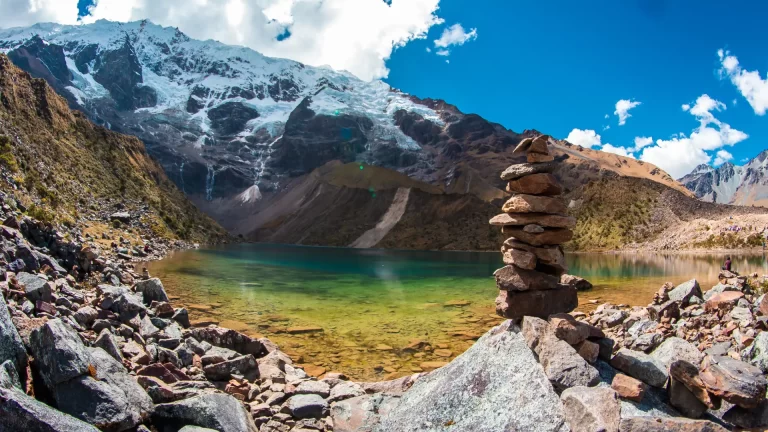
Why Book Your Machu Picchu and Peru Tour with Qosqo ExpeditionsStone Cairn Overlooking Humantay Lake – Qosqo Expeditions

Cusco Trek FAQs

Planning a trek in Cusco raises a lot of questions, like which route to pick, how hard it is and when to go. Here are clear answers to the ones hikers ask most, so you can choose your trek with confidence and enjoy every step of the Andes.

Trekking in Cusco means walking through high Andean landscapes, with a mix of nature and culture. A typical trek offers:

  • Stone paths, mountain passes and views of snow-capped peaks.
  • Inca ruins, terraces and Andean villages along the way.
  • Changing scenery, from high plateaus to cloud forest.
  • Camping or simple lodging in the mountains.

Cusco treks range from a few hours to about a week:

  • Day hikes (1 day): Humantay Lake, Huchuy Qosqo or Ausangate 7 Lakes.
  • Short treks (2 days): the Short Inca Trail.
  • Classic treks (3 to 5 days): the Inca Trail, Lares and Salkantay.
  • Longer treks (4 to 5 days or more): Ausangate and Choquequirao.

Pick the length that fits your time and fitness, and add a day to adjust to the altitude.

Both work, and the choice depends on your style:

  • Group trek: usually cheaper, with the chance to meet other hikers, but a fixed pace and schedule.
  • Private trek: more flexible in pace and start times, better for families or couples, and usually more expensive.

If you are not sure, think about how fast you walk and how much flexibility you want.

On organized treks, meals are usually cooked by a chef who travels with the team. Expect:

  • A hot breakfast, a cooked lunch and a hot dinner.
  • Soups, rice, pasta, vegetables, chicken or fish.
  • Snacks and hot drinks such as tea or coca tea.
  • Boiled or treated drinking water.

Vegetarian and special diets can usually be arranged if you tell your operator in advance.

It depends on the route:

  • Camping: most multi-day treks use tents and sleeping pads set up by the team at campsites.
  • Lodges: some routes, such as certain Salkantay and Lares options, offer simple mountain lodges.
  • Hotels: shorter versions, such as the Short Inca Trail, may include a night in a hotel in Aguas Calientes.

Check each itinerary for the accommodation style.

Facilities are basic and vary by route:

  • Toilets: simple toilets at campsites or in nearby villages, and none on the trail between stops.
  • Showers: limited or cold at many campsites, and often not available at high camps.
  • What to bring: toilet paper, hand sanitizer, wet wipes and a small bag for waste.

Treks with lodges or hotel nights offer more comfort.

Weather in the Andes changes quickly, and you can feel several seasons in a day:

  • Days: often sunny and warm in the sun, with a strong sun at altitude.
  • Nights: cold, and temperatures at high camps can fall to freezing, especially from June to August.
  • Rain and cloud: more frequent from November to March.

Pack in layers, a rain jacket and a warm sleeping system.

Yes, many do, but it depends on fitness, health and the route. Some tips:

  • Choose shorter or easier treks, such as the Short Inca Trail or a day hike.
  • Allow extra days in Cusco to adjust to the altitude.
  • Talk to a doctor first if you have health conditions or if a child is very young.
  • Tell your operator in advance so the pace and schedule can be adapted.

High-altitude routes such as Ausangate are better for experienced hikers.

On many treks, porters or muleteers carry the camping gear, food and your duffel bag, while you carry a daypack. To support fair treatment:

  • Choose an operator that follows porter welfare standards, with fair pay, proper equipment and weight limits.
  • Keep your own luggage within the weight limit.
  • Tip porters, the cook and the guide, as is customary; ask your operator for guidance on amounts.
  • Thank them and treat them with respect.

The cost of a Cusco trek depends on several factors:

  • Route and length: longer and more remote treks cost more.
  • Permits and fees: the Inca Trail permit is a significant part of the price, and other routes may have park fees.
  • Group or private service: private treks usually cost more per person.
  • Comfort level: equipment, lodging style and extras such as a personal porter.
  • Season: high season dates can be more expensive.

Always compare what each price includes, such as meals, equipment, transport and entrance fees.