World Class Inca Trail Hike 09 Days / 08 Nights
What if you could journey through the Andes in a way few others do? We have crafted this adventure as the perfect alternative to the classic Inca Trail Trek. Designed for the traveler who seeks both b…
The classic Inca Trail to Machu Picchu undergoes an annual closure every February, as mandated by the Peruvian Ministry of Culture. This temporary shutdown allows park rangers to perform vital trail maintenance, deep cleaning, and ecological restoration, ensuring both the safety of hikers and the preservation of this historic route. The entrance to the Inca Trail will officially reopen and welcome back trekkers starting March 1st.
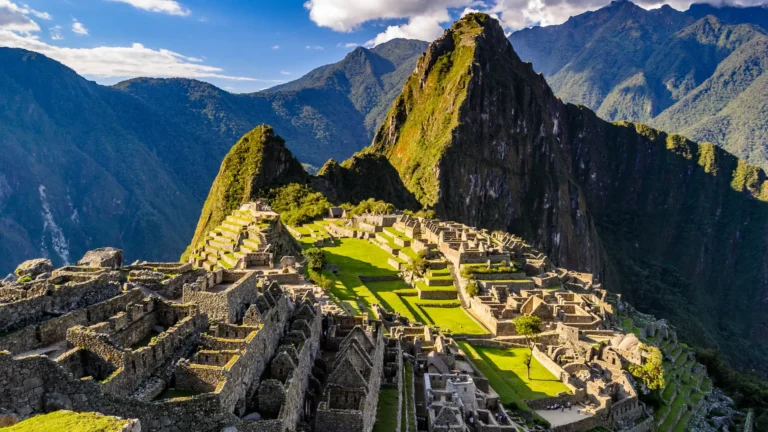
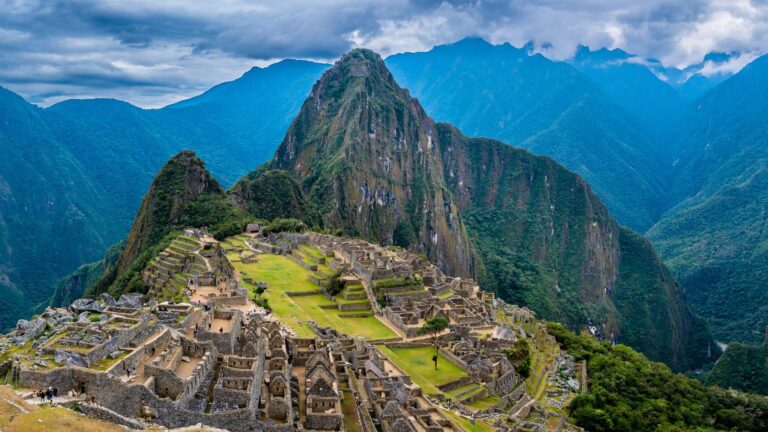
Because this ancient trail is highly protected, access is strictly limited to just 500 people per day, including guides and porters. If you plan to hike the Inca Trail between March and December 2026, it is crucial to book your permits 5 to 6 months in advance before they sell out. If your travel dates fall during the February closure, don’t worry—Machu Picchu itself remains fully open and accessible via train trips or through breathtaking alternative hiking routes like the Salkantay Trek.

Due to strict government regulations, only 500 people are allowed on the trail per day (including guides and porters). For this reason, permits sell out incredibly fast. We highly recommend booking your Inca Trail permits at least 5 to 6 months in advance, especially if you plan to travel during the high season (May to September).
Every year, the Peruvian Ministry of Culture closes the classic Inca Trail for the entire month of February. This coincides with the peak of the rainy season and allows park rangers to perform essential maintenance, trail restoration, and deep cleaning to protect the local ecosystem. The trail officially reopens to visitors on March 1st. (Note: Machu Picchu itself remains open in February; only the Inca Trail is closed).
The most popular time to hike is during the Andean dry season, which runs from May to October. During these months, you can expect sunny days, clear skies, and cold nights. April and November are also great "shoulder season" options, offering fewer crowds and mostly pleasant weather, though you might encounter occasional rain showers.
The Inca Trail is considered a moderate to challenging trek. You don't need to be an elite athlete, but a good level of physical fitness and stamina is required. You will be hiking for 4 days over rugged terrain, climbing steep stone steps, and crossing high-altitude passes. The most challenging day is Day 2, which involves ascending to "Dead Woman's Pass" at an elevation of 4,215 meters (13,828 feet).
Altitude sickness (Soroche) can affect anyone, regardless of age or fitness level. The best way to prevent it is proper acclimatization. We strongly advise arriving in Cusco (3,399m / 11,152ft) or the Sacred Valley at least 2 to 3 days before starting your trek. Stay hydrated, eat light meals, avoid heavy alcohol consumption before the hike, and consider drinking local Coca tea, a traditional Andean remedy.
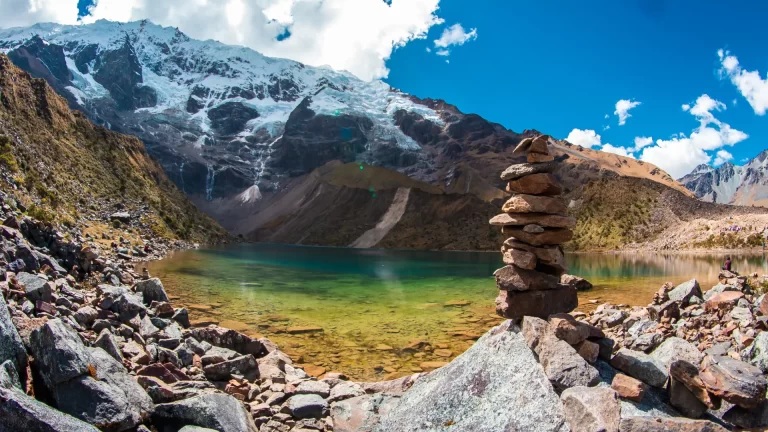
If the classic Inca Trail is fully booked for your desired dates, don't worry! There are incredible alternative routes to Machu Picchu that do not require the same strict permits. The Salkantay Trek (famous for its dramatic snow-capped mountain scenery) and the Lares Trek (known for its deep cultural immersion and hot springs) are fantastic alternatives that also end with a visit to Machu Picchu.