
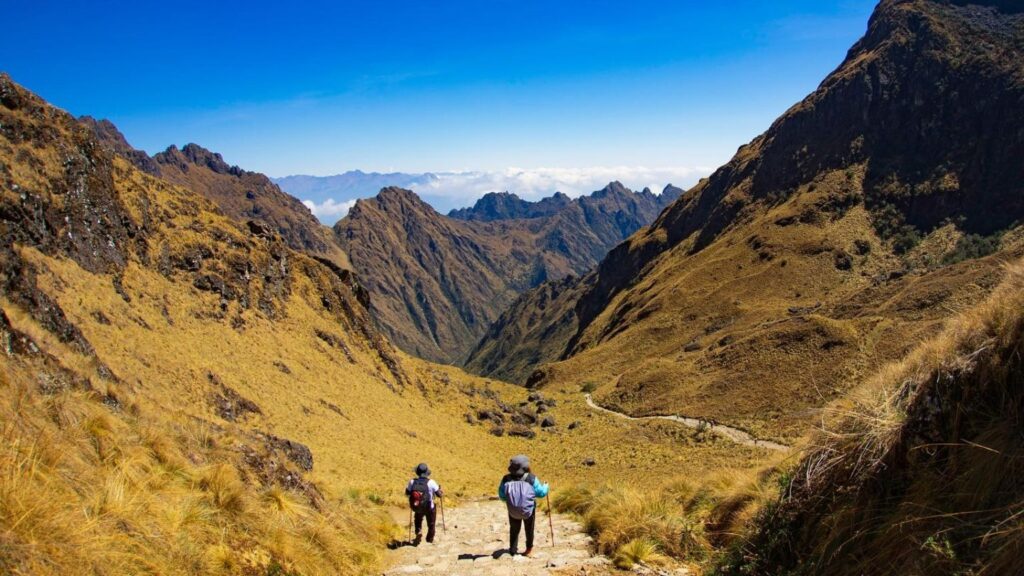

How Hard Is the Inca Trail? The Inca Trail is a hike of moderate to high difficulty, mainly due to the altitude, the ascents and descents, the many stone steps, and the long hours of walking. On the classic 4-day route, the most challenging part is usually the ascent to Warmiwañusca, known as the Dead Woman’s Pass, which reaches approximately 4,200 meters (13,779 feet) above sea level.
But here’s the important thing: you don’t need to be an athlete to hike the Inca Trail. Anyone in good physical condition, accustomed to hiking, and who prepares in advance can complete the route.
The difficulty varies quite a bit from one day to the next. The first day is for getting into a rhythm; the second is one of the most physically demanding; the third combines long hikes with many descents; and the fourth is shorter but starts very early.
So, how difficult is the Inca Trail really? The answer lies in understanding each stage.
How difficult is the 4-day Inca Trail?
When we talk about the 4-day Inca Trail, we’re referring mainly to Route 1, or the main Inca Trail, which begins in Piscacucho at km 82 and covers approximately 33.7 km (20.9 miles) to Machu Picchu. SERNANP recommends completing this route in 4 days and 3 nights.
The difficulty doesn’t depend solely on distance. Other factors also play a role:
- Altitude.
- Total elevation gain.
- Stone stairs.
- Uphill and downhill sections.
- Uneven terrain.
- The weight you’re carrying.
- Weather conditions.
- Your physical condition.
- Your prior acclimatization to altitude.
- The cumulative effort over several days.
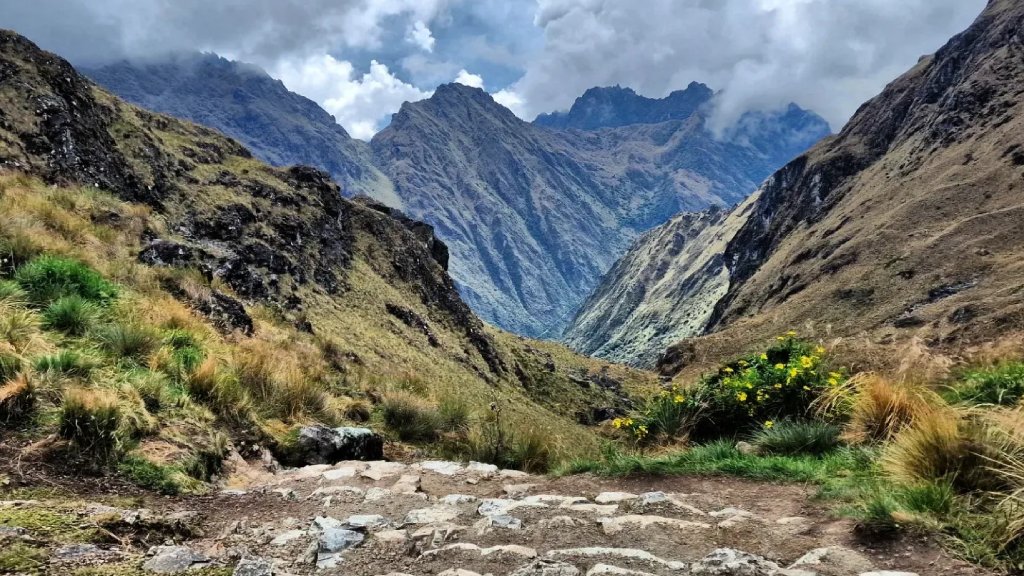
Inca Trail: Day by Day Difficulty
Day 1: Piscacucho – Wayllabamba
Difficulty: Moderate
The first day is a period of adjustment to the pace of the trek. The route starts in Piscacucho (km 82) and heads toward Wayllabamba, passing through mountain landscapes, vegetation, and archaeological sites.
Although it is easier than the following days, you’ll have to navigate uneven terrain, elevation changes, and several hours of walking.
Day 2: Wayllabamba – Warmiwañusca – Pacaymayo
Difficulty: Hard
The second day is usually the most demanding of the Inca Trail, mainly due to the ascent to Warmiwañusca, at about 4,200 m (13,779 feet) above sea level.
The combination of altitude, steep slopes, and stairs can make the hike more strenuous, so it’s advisable to walk slowly, maintain a steady pace, and rest when necessary.
After reaching the highest point, the descent to Pacaymayo begins, which can also cause fatigue in your legs and knees.
Day 3: Pacaymayo – Runkurakay – Phuyupatamarca – Wiñaywayna
Difficulty: Hard
The third day may come as a surprise to those who think the hardest part is over after Warmiwañusca.
Although the trail doesn’t reach the same elevation as on the second day, there are still ascents, descents, and numerous stone staircases.
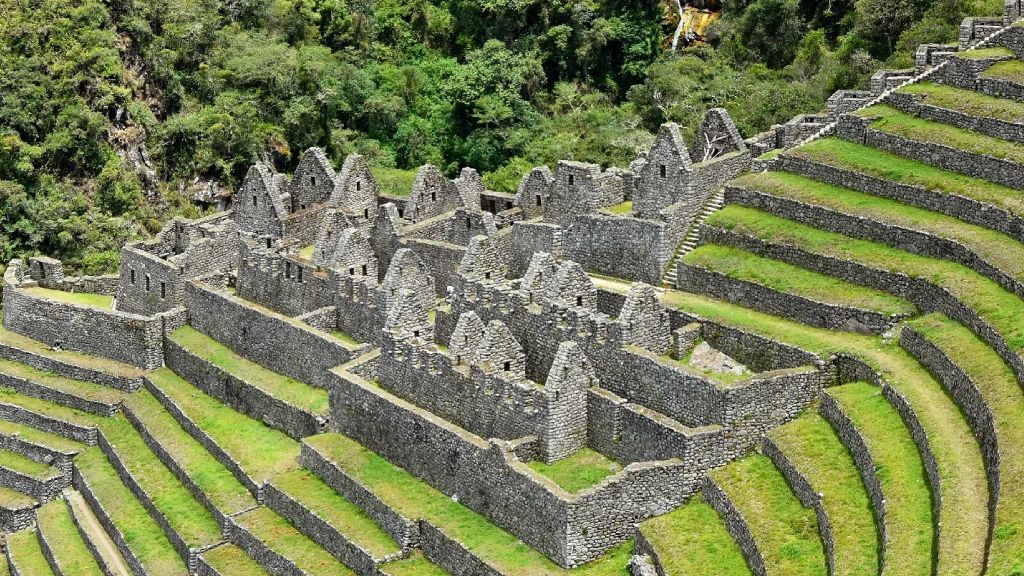
During this day, you’ll pass by some of the most famous archaeological sites along the route, including:
- Runkurakay.
- Sayacmarca.
- Phuyupatamarca.
- Wiñaywayna.
Day 4: Wiñaywayna – Intipunku – Machu Picchu
Difficulty: Easy to moderate
The fourth day is usually easier, as the hike is shorter. From Wiñaywayna, you’ll continue on to Intipunku (Gate of the Sun) and finally to Machu Picchu.
Although the physical effort is less, you should take into account the accumulated fatigue from the previous three days and the early start to the day.
What makes the Inca Trail difficult?
The difficulty of the Inca Trail is mainly due to these factors:
- Altitude: The highest point is Warmiwañusca, at about 4,200 m (13,779 feet) above sea level. The altitude can increase physical exertion, even if you’re in good physical condition. Being in shape doesn’t mean you’re acclimated.
- Stone steps: The route includes numerous ascents, descents, and staircases, as well as uneven terrain.
- Descents: Downhill sections can cause fatigue, especially in the legs and knees. It’s important to pace yourself and avoid running.
- Several days of hiking: The physical strain builds up over the course of the trek, so it’s essential to manage your energy well and rest each night.
How Tired Will I Feel Each Day on the Inca Trail?
Yes, you will feel tired. The Inca Trail is physically demanding, and each day adds some fatigue to the next. However, most hikers don’t feel completely exhausted throughout the entire trek.
A good meal, proper hydration, a comfortable place to sleep, and a good night’s rest can make a noticeable difference in how you feel the following morning. You probably won’t start every day feeling 100%, but your body can recover enough to continue and challenge itself again.
Days 2 and 3 are usually when fatigue is most noticeable. By the end of Day 4, after several consecutive days of walking, you’ll probably be ready for a proper rest, but also with the satisfaction of having completed the trail to Machu Picchu.
The key is not trying to hike every section at maximum effort. Maintain a steady pace, eat well, rest whenever possible, and arrive prepared.
Do I need to be in good physical condition to hike the Inca Trail?
You don’t need to be a professional athlete, but you do need to be in adequate physical shape. Having endurance and being used to walking will make the hike more manageable.
You can prepare by:
- Taking progressively longer walks.
- Climbing hills, slopes, and stairs.
- Doing exercises to strengthen your legs.
- Hiking with a light backpack.
How to Assess Your Fitness for the Inca Trail
A good way to evaluate yourself is to think about how your body responds to long walks, hills, stairs, and several hours of activity.
Pay special attention to your knees. The Inca Trail has many stone steps, and long descents are often more tiring than the climbs. Trekking poles can provide extra stability and help reduce some of the impact.
If you can handle several hours of walking and recover well afterward, you already have a good base. Still, training with hills, stairs, and longer hikes before your trip is the best way to arrive prepared.
What is the most difficult day on the Inca Trail?
In general, the second day tends to be the most demanding, mainly due to the ascent to Warmiwañusca, located at about 4,200 m (13,779 feet) above sea level.
The third day can also be difficult due to the numerous staircases, steep slopes, and accumulated fatigue. Here’s a simple way to understand the approximate difficulty level:
| Day | Approximate Difficulty | Principal desafío |
| Day 1 | Moderate | Adjusting to the pace and terrain |
| Day 2 | Hard | Altitude and the ascent to Warmiwañusca |
| Day 3 | Hard | Stairs, steep slopes, and accumulated fatigue |
| Day 4 | Easy to moderate | Early morning hike after several days |
Frequently Asked Questions About the Difficulty of the Inca Trail
How difficult is the Inca Trail for beginners?
It can be challenging, especially if you’re not used to hiking for several hours or several consecutive days. However, gradual preparation can help you better handle the route.
What is the most difficult day on the Inca Trail?
The second day is usually the most demanding due to the ascent to Warmiwañusca, at about 4,200 m (13,779 feet) above sea level. The third day can also be tough because of the stairs, the elevation gain, and accumulated fatigue.
Does the altitude make the Inca Trail more difficult?
Yes. Altitude can increase the sensation of exertion and affect each person differently. That’s why acclimatization is an important step before embarking on the trek.
Are there many stairs on the Inca Trail?
Yes. Stone stairs are a significant part of the route and add to the physical effort, especially during ascents and descents.
How Hard is the Inca Trail?
The difficulty of the Inca Trail ranges from moderate to high, but it varies over the four days. The second day is the biggest challenge due to the altitude and the climb; the third day requires endurance; and the fourth day is shorter and finally leads to Machu Picchu.
Are you ready to hike the Inca Trail and walk to Machu Picchu? Plan your adventure in advance and consult with an authorized tour operator to learn about the options available for your trip.
Leave a Reply