
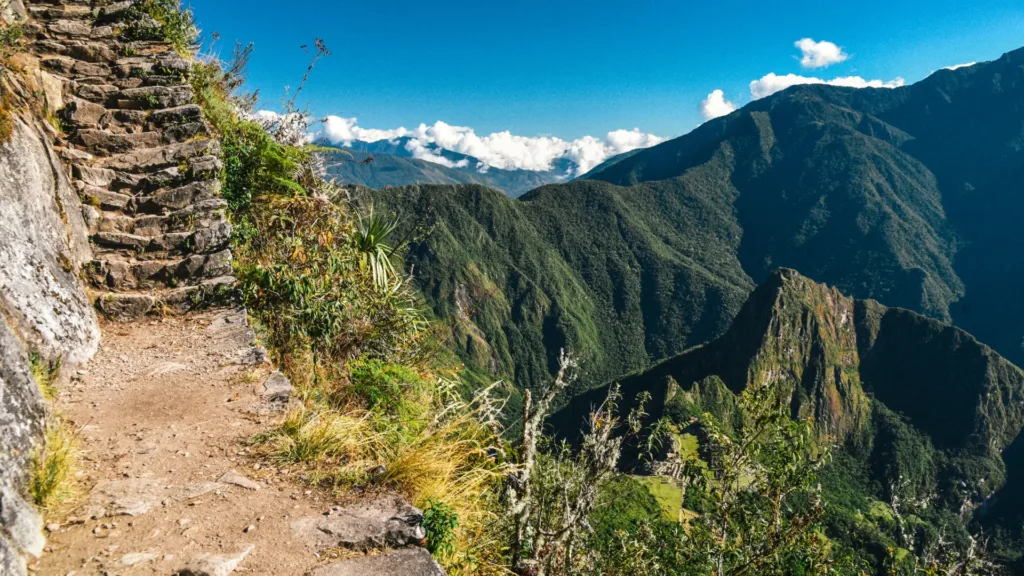

Many travelers place the Inca Trail at the top of their bucket list. Indeed, they want to walk the historic stone paths directly to Machu Picchu. However, the route is a grueling physical challenge. It often catches unprepared visitors off guard. Hikers must climb steep stone stairs and cross multiple microclimates. Consequently, the high elevation also means you must hike with much less oxygen.
Do not assume this hike is an open, easy walk. The Peruvian government enforces a strict cap of 500 permits per day. Only about 200 permits go to tourists. The rest go to guides, cooks, and porters. Therefore, hiking high passes like Dead Woman’s Pass without preparation is dangerous. You risk severe altitude sickness and may fail to finish the trek.
You cannot legally step onto the trail without a guide and a pre-booked permit. In fact, you must secure these permits months in advance. We gathered the most common questions from our local guides to help you plan. Use these direct facts on costs, packing, and weather to prepare.
Classic Route Overview & Permits
The Inca Empire built this historic stone highway centuries ago. The classic route covers 26 miles (42 kilometers) of ancient mountain paths. Ultimately, it ends at Inti Punku, the Sun Gate. This is the only entrance for hikers entering Machu Picchu.
The government limits access to 500 permits daily to prevent trail erosion. This limit includes guides, cooks, and porters. Therefore, tourists only get about 200 permits each day. Authorized agencies sell these spots on a first-come, first-served basis. Consequently, they often sell out six to eight months in advance.
No. Government regulations mandate that a licensed professional guide accompany all hikers. You cannot buy individual permits or hike alone. Instead, you must book your trek through a licensed agency.
Book six to eight months ahead for the peak dry season from May through August. Additionally, for April, September, and October, book four to five months in advance.
The standard trek takes four days and three nights. You walk for three full days across varying elevations. On the fourth morning, you finish the short final stretch to Machu Picchu.
The highest point is Warmiwañusqa, or Dead Woman’s Pass. It sits at 13,828 feet (4,215 meters) above sea level. You climb this pass on the second day. Indeed, this is the most demanding day of the trek.
We rate this hike as moderate to challenging. The difficulty comes from climbing thousands of steep, uneven stone stairs. You also descend sharp slopes with very little oxygen. Therefore, you need good cardiovascular fitness.
Spend two or three days adjusting to the altitude in Cusco or the Sacred Valley. Do this before you start hiking. Additionally, avoid heavy exertion, drink water, and limit alcohol. Ask your doctor about altitude medications like acetazolamide.
The government sets no official age limit. However, we recommend the hike for children aged 8 and older. They should have experience walking long distances. Consequently, older adults should get a medical check-up before booking.
The government closes the entire trail in February. This allows for conservation, path maintenance, and environmental recovery. However, Machu Picchu remains open. Travelers must arrive there by train or hike the Salkantay Trek instead.
A standard group package costs between $750 and $1,100 USD per person. This price covers permits, guides, porters, camp equipment, meals, tents, and your return train to Cusco. In fact, cheap tours under $600 often cut corners on porter safety.
Standard tours hire porters to carry shared camp gear, food, and kitchen supplies. Most agencies include a personal porter allowance in their price. Therefore, this service lets you hand over 11 to 15 pounds of personal gear. Always confirm this limit before booking.
Yes, basic toilet facilities exist at lunch spots and campsites. Local communities maintain these simple squat toilets or pit latrines. Consequently, carry your own toilet paper and hand sanitizer. Bring small coins, as some checkpoints charge 1 to 2 PEN.
Yes, but you must use protective rubber tips. We forbid metal tips because they damage the historic stone paths. Instead, you can buy rubber tips in Cusco or Ollantaytambo before departure.
A daypack with a capacity of 20 to 30 liters is perfect. Use it for your daily water, rain jacket, and camera. Additionally, you must carry your original passport. Officers will check it at multiple checkpoints.
The dry season from May to October offers the best weather. Clear, sunny days reduce the risk of slipping on wet stones. However, night temperatures at high camps regularly drop below freezing.
Heavy rain is common from November to April. The stone paths become slick, and clouds often block the mountain views. However, you will encounter fewer crowds. In fact, the surrounding plants are also in full bloom.
Dress in layers. Pack a thermal base layer, a fleece jacket, and a waterproof shell. Use broken-in hiking boots with deep tread. Additionally, bring a warm beanie, gloves, sunscreen, insect repellent, and a reliable headlamp.
The Salkantay Trek is the most popular alternative. It features high mountain peaks, alpine lakes, and challenging passes. Indeed, the Lares Trek offers close contact with local farming communities. The short two-day hike lets you enter through the Sun Gate.
No. The Ministry of Culture ties your permit to your passport number and name. You cannot transfer, refund, or reschedule your permit for any reason. Therefore, to change your dates, you must purchase a completely new permit.

Leave a Reply