
Many experienced hikers look for a quiet alternative to crowded trails in Cusco, choosing the Ausangate Trek for its massive glaciers and pristine alpine lakes. However, this high-altitude route sits entirely above 13,000 feet, exposing trekkers to volatile weather and freezing temperatures. The physical demands of this loop catch many unprepared visitors off guard.
Do not assume this is a standard mountain walk just because you do not need a pre-booked government permit. Many travelers believe they can easily navigate the high passes without a professional guide or proper cold-weather gear. Consequently, attempting this circuit without acclimatization risks severe altitude sickness, hypothermia, or getting lost in remote Andean valleys.
We gathered direct, factual answers from our local Cusco guides to help you plan a safe itinerary. Use these clear details on costs, camping logistics, and terrain challenges to prepare. Read through these questions to understand exactly what to pack and how to conquer this extreme circuit.
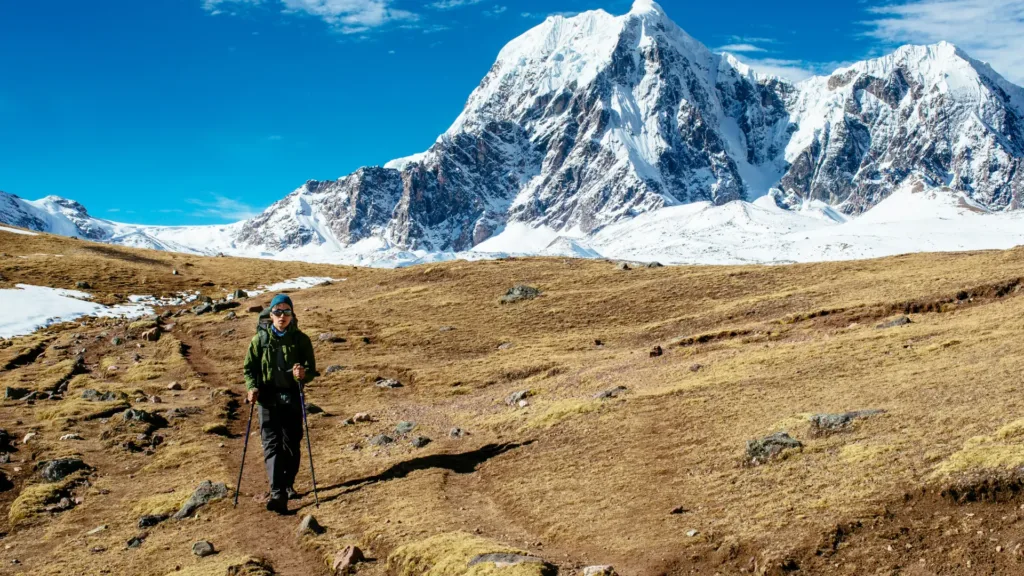
This trail loops around Mount Ausangate, which is the highest peak in the Cusco region. It sits in the Vilcanota mountain range, roughly 100 kilometers southeast of Cusco city. Hikers walk past turquoise lakes, glaciers, and traditional alpaca herding communities.
No, you do not need a government-regulated permit like the Inca Trail. Instead, you pay small fees directly to the local indigenous communities who manage the campsites. These fees help maintain the trails and support the local economy.
Yes, solo trekking is legally permitted on this route. However, we highly advise against it due to the remote terrain, lack of signage, and extreme weather. Hiring a local guide ensures your safety and helps you navigate the unmarked mountain passes.
The standard trek takes five days and four nights. Some agency packages offer a shortened four-day version for fast hikers. Conversely, you can extend the route to six or seven days to include a visit to Rainbow Mountain.
The full classic loop covers approximately 70 kilometers (43 miles). You walk between 12 to 16 kilometers each day. Therefore, you must prepare for long, demanding days on your feet.
The highest point is Abra Palomani, which sits at an elevation of 17,060 feet (5,200 meters) above sea level. Most itineraries schedule this crossing on the second or third day. Indeed, this is the most physically demanding section of the entire hike.
We rate this hike as extremely difficult. The difficulty comes from the sustained elevation, as you never drop below 13,000 feet. Additionally, you must climb over multiple steep, loose-gravel passes.
You must spend at least three full days in Cusco or the Sacred Valley. Do not attempt this trek immediately after arriving in Peru. Doing so increases your risk of severe altitude sickness.
Common symptoms include throbbing headaches, nausea, dizziness, loss of appetite, and extreme fatigue. If these symptoms worsen, you must descend immediately. Consequently, our guides always carry supplemental oxygen tanks and first-aid kits.
There is no official age limit for this trail. However, we do not recommend this hike for children under 12 years old. Older adults must get a medical clearance due to the extreme physical strain on the heart and lungs.
A reliable group tour costs between $550 and $850 USD per person. This price covers professional guides, chefs, horsemen, horses to carry gear, camping equipment, and meals. Cheap tours often cut corners on safety and do not pay fair wages to local horsemen.
No, standard modern facilities do not exist in this remote region. Campsites only have basic, rustic toilet huts managed by the local communities. Additionally, hot water is not available, so you must rely on wet wipes for hygiene.
Each community charges an entrance or camping fee of 10 to 30 PEN (approximately $3 to $8 USD). If you hike independently, carry plenty of cash in small denominations. Specifically, local operators already include these fees in your package price.
If you hire horses to carry your heavy gear, bring a lightweight 20 to 30-liter daypack. Use it to carry your water, camera, passport, rain poncho, and warm layers. Alternatively, independent hikers carrying all their own gear need a 65 to 75-liter backpack.
Night temperatures regularly drop below 14°F (-10°C) at the high camps. Therefore, you must pack a heavy thermal base layer, a thick fleece, and a high-quality down jacket. Additionally, bring a warm beanie, gloves, and a sleeping bag rated for sub-zero temperatures.
The dry season from May to September offers the safest conditions. During these months, you can expect clear skies and sunny days. However, the nights remain freezing cold.
Heavy rain and thick snow are common from November to April. The trails become muddy and slippery, making the high passes dangerous to cross. Consequently, many agencies suspend tours during these months.
Yes, you can rent horses and hire local horsemen at the trailhead in Tinki or Pacchanta. The cost is approximately 40 to 60 PEN ($11 to $16 USD) per horse per day. This service helps reduce physical strain and supports local families.
Yes, you can easily connect this loop to the Vinicunca viewpoint. Most agencies offer this combined route as a five or six-day package. In fact, this connection lets you see both sites in a single trek.
The Salkantay Trek is a popular alternative with lower elevations and better tourist infrastructure. If you want a cultural experience with hot springs, choose the Lares Trek instead. Indeed, both options are less physically demanding than the Ausangate circuit.

Leave a Reply