

Planning a trip to Peru can sometimes bring unexpected tiredness, long lines, and confusing ticket rules. Many travelers spend time and money visiting the ancient site, only to deal with altitude headaches, crowded buses, and rushed schedules across the Sacred Valley.
Arriving at high mountain sites without proper health planning can quickly spoil a dream vacation. Struggling to breathe in long waiting lines takes away the joy and peaceful feeling this historic place should give you.
Qosqo Expeditions makes your journey smooth and simple. We provide comfortable private rides with onboard oxygen, personalized walking plans, and friendly local guides. Discover how smart planning keeps you safe, comfortable, and relaxed every step of the way.
Machu Picchu Location History and Entry Rules
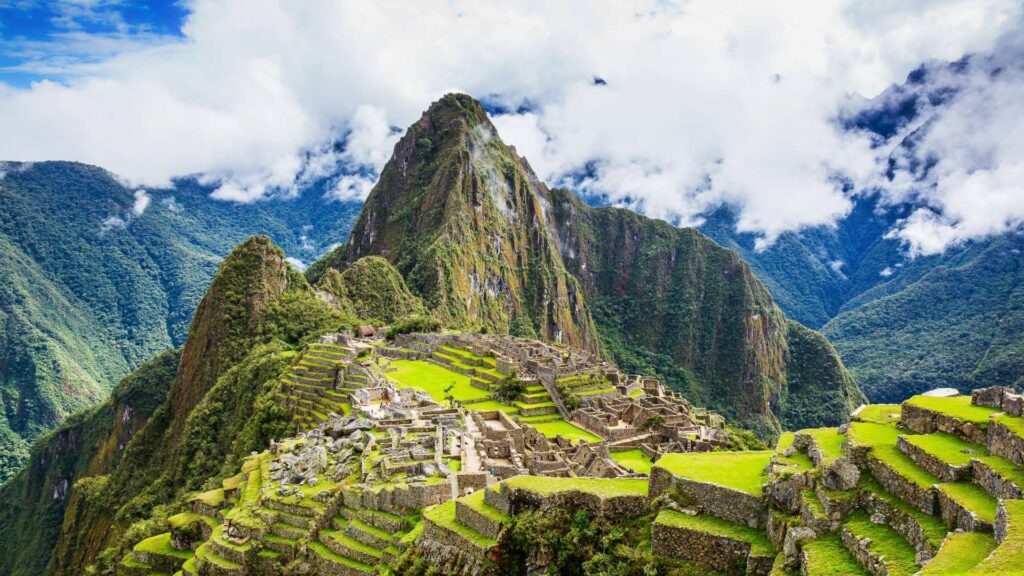
To visit the ancient site easily, it helps to know where it rests between the Andes mountains and the Amazon jungle. Many travelers ask where is machu picchu when planning their flights to South America. The stone site stands in the Cusco region of Peru, high on a mountain ridge 7,970 feet (2,430 meters) above sea level.
Learning where in peru is machu picchu helps you plan your travel stops. The site rests in the Urubamba Valley, about 50 miles from the city of Cusco. When asking what is machu picchu, historians explain it was a 15th century royal estate built for the Inca ruler Pachacuti. Today, it is a famous landmark known around the world for its stone buildings and green farming terraces.
Incan Building Safety:
Inca builders built over 700 stone steps along the mountain slopes to stop soil from washing away during heavy rains. Under the dirt, they added layers of sand and small stones so rain could drain away naturally without damaging the walls. They also shaped stone blocks to fit together without mortar, which helped the buildings stay safe and strong during earthquakes.
Sacred Valley Transit Routes
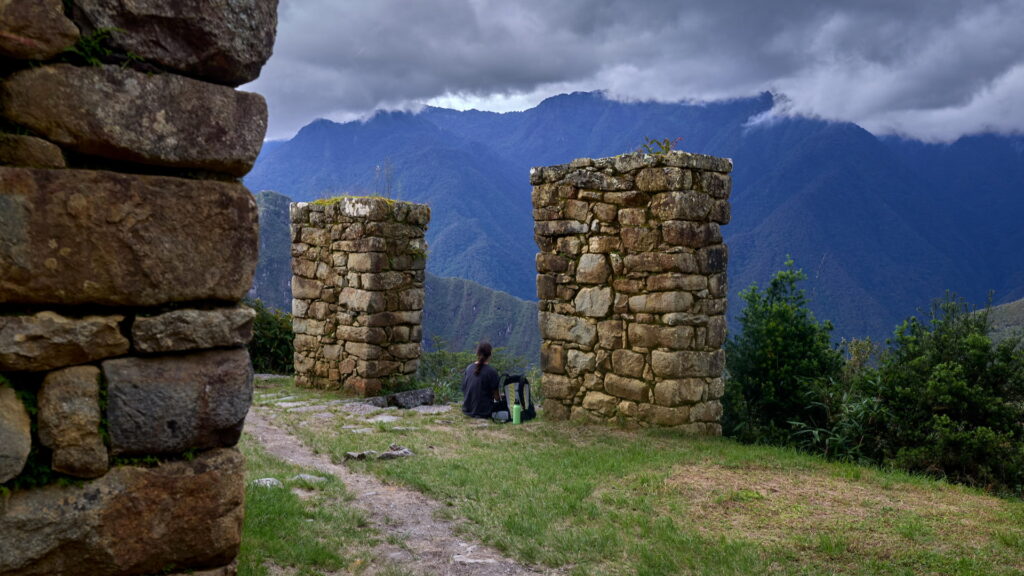
Reaching the citadel means traveling from the high city of Cusco down into the Sacred Valley before going up to the mountain ruins. Travelers usually fly into Cusco Airport, which sits high up at 11,152 feet.
Going straight to high mountain spots can make you feel dizzy or tired. Staying first in lower Sacred Valley towns like Ollantaytambo (9,160 feet) helps your body get used to the thin air naturally.
- Cusco Airport (11,152 ft): Main landing point where you should rest and drink plenty of water.
- Sacred Valley (9,160 ft): Best resting area with warm weather, local markets, and gentle walks.
- Aguas Calientes (6,690 ft): The small valley town sitting right below the mountain site.
- Machu Picchu Citadel (7,970 ft): The main historic site requiring entry passes and timed visits.
Citadel History and Incan Architecture
The site served as a quiet home and sacred center for Inca leaders. Built without iron tools or wheels, workers shaped heavy granite stones by hand so neatly that they fit together tightly without any cement.
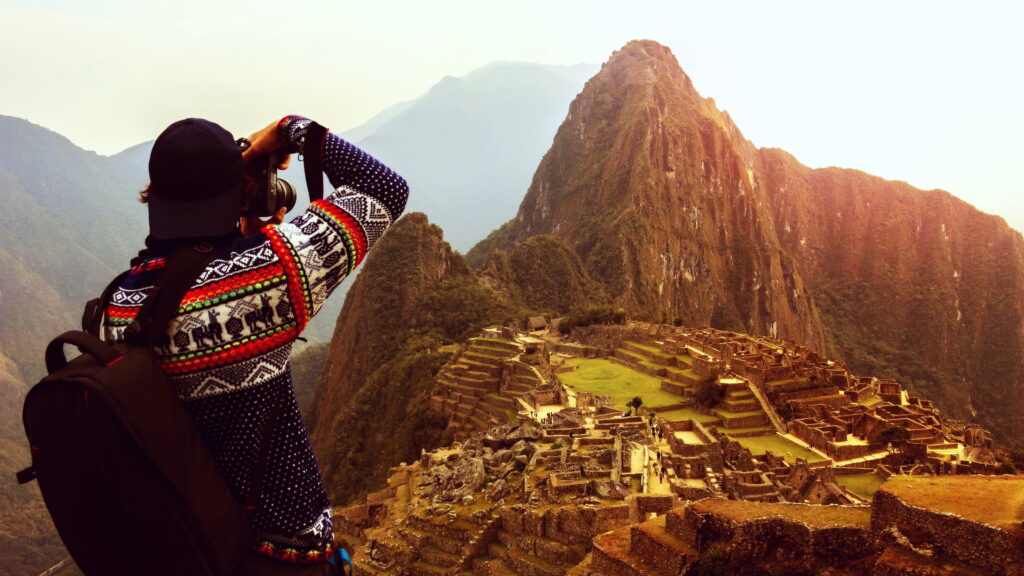
Walking through the open squares and stone homes with a local guide shows how doors and windows line up with the sun on special days of the year. Private guides help you explore these stone paths at a comfortable speed that fits your pace.
“Exploring high mountain historical sites is easy when you listen to your body. When our guests use private vehicles with extra oxygen through the Sacred Valley, they save their energy for enjoying the views rather than feeling tired.”
— Senior Lead Guide, Qosqo Expeditions
Expert Guidance and Exclusive Access
Regional Geology and Mountain Excursions
The natural forces that formed the Andes mountains created amazing sights all across southern Peru. Many visitors add extra mountain day trips to their travel plans while staying in the area.
During these day trips, visitors often ask what makes the rainbow mountains in peru colorful when planning tours near Cusco. The bright red, gold, and turquoise stripes come from natural soil and mineral layers exposed to wind and rain over thousands of years:
- Iron Minerals: Create the warm red and pink colors along the mountain slopes.
- Clay and Copper Layers: Form the gentle green and teal shades in the rock face.
- Yellow Sandstone: Generates bright gold and tan stripes across the mountain tops.
- White Quartz: Forms clean white lines running between the colorful mineral bands.
Learning how these colorful mineral layers formed helps you enjoy Peru’s natural scenery, from ancient stone ruins to vibrant mountain peaks.
Private Machu Picchu Tours and Altitude Comfort
Public buses and trains often mean standing in long lines and following rigid schedules. Choosing personalized machu picchu tours gives you full control over your day, your health, and your personal space.
Private travel takes away the worry of missing connections. It also provides trained staff and fresh oxygen equipment inside your vehicle throughout the trip.
Altitude Sickness Prevention and Oxygen Transit
Elevation changes can affect any traveler, no matter how fit you are. Common signs include mild headaches, feeling tired, or quick breathing from the thin mountain air.
Qosqo Expeditions keeps you safe by equipping private travel vans with certified oxygen systems and health monitors.
- Onboard Oxygen Access: Ready inside your vehicle to help you breathe easily during high mountain drives.
- Relaxed Driving Speed: Custom rest stops along the valley so you never feel rushed or tired.
- Caring Local Staff: Friendly drivers and guides trained to look after your health and comfort.
- Fresh Drinks Onboard: Clean drinking water and hot herbal tea available throughout your ride.
Circuit Selection and Timed Entry
Peru’s tourism office manages site visits using set walking paths and timed tickets. Picking the wrong path might mean climbing steep steps that strain your knees or missing out on key photo spots.
Booking your passes with local travel specialists guarantees a walking path that matches your health needs and photo goals.
- Circuit 1 (Panoramic Routes): Gives you classic mountain view photos with moderate stair walking.
- Circuit 2 (Classic Complete Route): Shows you the main temples, plazas, and stone houses.
- Circuit 3 (Lower Agricultural Route): Offers easy, gentle walking paths around the lower ruins.
Public Transport vs Qosqo Expeditions
| Operational Parameter | Standard Public Travel Options | Qosqo Expeditions Private Experience |
|---|---|---|
| Elevation Health Safety | No oxygen gear inside public buses | Private vehicles equipped with fresh oxygen systems |
| Schedule Flexibility | Fixed public train and bus departure times | Flexible pickup times built around your daily routine |
| Guidance Quality | Large shared tour groups with megaphones | Personal local guide giving clear, private explanations |
| Transit Comfort | Public buses with long outdoor waiting lines | Direct private pickup without waiting in long queues |
| Circuit Optimization | Random path assigned based on stock | Careful ticket choice matched to your walking comfort |
[/COMPARATIVE DATA TABLE]
Securing a smooth private trip lets you enjoy the ancient site with total confidence and comfort. Explore our custom Sacred Valley and Machu Picchu 2 Day Experience] to reserve your personal tour with complete safety support.
Your Journey Starts Here: Plan Your Private Expedition
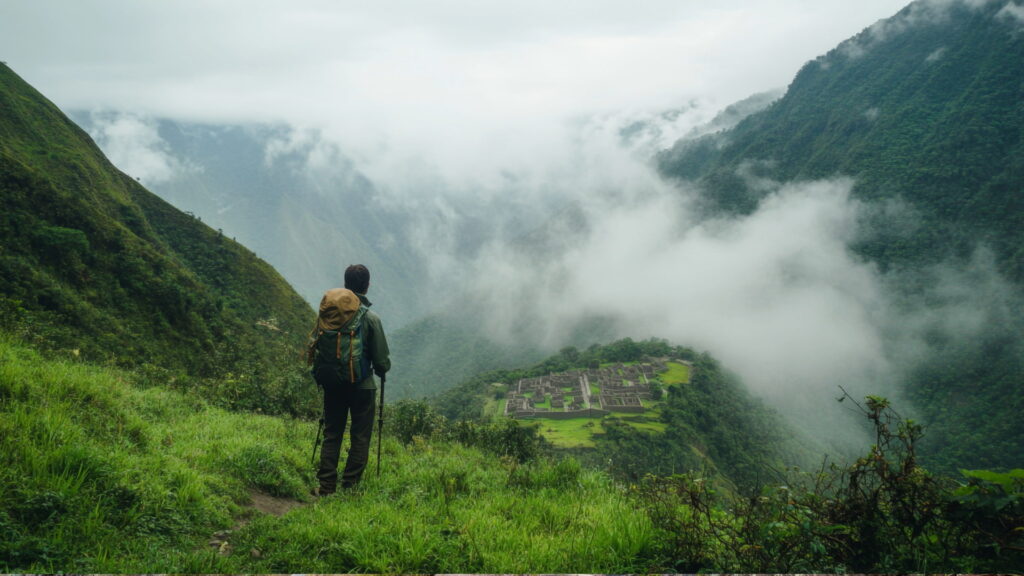
Are you ready to experience Machu Picchu in luxury? We invite you to create your dream trip. Our private Machu Picchu tours await your customization. Discover the true essence of the Andes. We craft adventures that exceed expectations. Contact us today to begin planning.
Explore more of our curated experiences:
- For a comprehensive luxury experience, consider our Machu Picchu Luxury Tour: 8 Days / 7 Nights.
- If time is a factor, our Machu Picchu Express: 3 Days / 2 Nights offers a condensed luxury option.
- For those seeking a trekking adventure, explore the Short Inca Trail to Machu Picchu – 2-Day Inca Trail Tour.
- Experience the full majesty with our World Class Inca Trail Hike: 09 Days / 08 Nights.
- Discover the heart of the Andes with our The Heart of the Andes – Cusco to Machu Picchu: 5 Days / 3 Nights.
- For a quick, luxurious visit, our Full-day Luxury Tour to Machu Picchu is ideal.
- Explore more of Peru’s wonders with our Peru Wonders: 08 Nights / 09 Days.
- Consider a grand journey from Across the Amazon to the Andes: 10 Days / 9 Nights.
Frequently Asked Questions
Where is Machu Picchu Located Near Cusco?
The historic site rests about 50 miles (80 kilometers) northwest of Cusco in the mountain cloud forest.
- Built high on a mountain ridge above the Urubamba River valley.
- Sits at 7,970 feet above sea level, which is lower than Cusco city.
- Reached by taking a scenic train ride through the Sacred Valley.
Plan your travel route to rest in the lower Sacred Valley first so your body adjusts smoothly.
What is Machu Picchu and Its Purpose?
The site is a 15th century Inca estate built with stone houses, terraced fields, and sunny courtyard plazas.
- Built under Emperor Pachacuti as a quiet royal retreat.
- Used for growing crops, holding gatherings, and watching the stars.
- Left quiet for centuries and protected naturally by surrounding forest.
Hiring a private guide helps you learn the stories behind every building and stone plaza.
Where in Peru is Machu Picchu Situated?
The stone ruins sit on the eastern slopes of the Andes where high mountains meet the green jungle.
- Located in the Cusco region, inside the Urubamba Valley area.
- Surrounded by high granite peaks including Huayna Picchu mountain.
- Home to warm cloud forest weather, tropical plants, and local birds.
Pack light layers so you stay comfortable in warm sunshine or light mountain rain.
How Elevation Affects Sanctuary Visitors?
At 7,970 feet, thin air carries less oxygen, which can cause light headaches or quick breathing when walking.
- Walking uphill can feel more tiring than walking at sea level.
- Climbing steep stone steps quickly can cause head pressure.
- Resting for two days in the Sacred Valley prevents most elevation discomfort.
Use private cars equipped with onboard oxygen to stay comfortable on high mountain roads.
Why Book Private Machu Picchu Tours?
Private tours let you skip long bus lines, pick your departure times, and enjoy personal care for your comfort.
- Direct private pickup saves you from waiting in crowded bus and train stations.
- A gentle walking speed protects your knees and keeps your energy high.
- Your personal guide answers all your questions in a quiet, friendly setting.
Choose tour teams that carry health monitoring gear and fresh oxygen in their vehicles.
How Early Should Entry Passes Be Reserved?
Government entry tickets have daily visitor limits and sell out several months ahead of time.
- Tickets for May through August usually sell out three to five months early.
- Hikes up extra mountains like Huayna Picchu need even earlier booking.
- The passport number on your ticket must match your travel document.
Reserve through registered private tour teams as soon as you settle on your travel dates.
What Makes Rainbow Mountain Colorful?
The bright colors on these high mountain slopes come from natural mineral layers in the soil.
- Iron rich soil forms the warm red and pink bands across the ridges.
- Clay and copper deposits create soft green and turquoise lines.
- Yellow sandstone creates bright gold and tan layers along the peaks.
Add a day trip to the colorful mountains alongside your main citadel visit to see Peru’s natural landscapes.
What Fitness Level is Needed for Circuits?
Visitor paths offer different walking levels, from easy terrace walks to steep stone staircases.
- Lower paths stay mostly flat and work well for easy, light walking.
- Upper scenic paths require walking up original stone steps.
- Private guides set a relaxed walking speed so you never feel rushed.
Tell your tour planner about any knee or joint worries before booking so they pick the easiest path for you.
How Onboard Oxygen Protects Travelers?
Fresh oxygen systems inside private cars supply extra oxygen to quickly relieve feelings of breathlessness.
- Quick oxygen use stops small elevation headaches from getting worse.
- Taking a few breaths of fresh oxygen restores your strength after walking outdoors.
- Simple health checks give you full peace of mind while traveling.
Ask for private transport with onboard oxygen for all trips between Cusco airport and your hotel.
Recommended Itinerary Length for Sacred Valley?
Spending two to three days gives you plenty of time to rest, visit local sights, and travel without rushing.
- Day one focuses on resting in the lower valley and visiting local markets.
- Day two includes a private guided walk through the main citadel ruins.
- Day three allows a smooth return travel day or an extra visit to nearby towns.
Avoid cramming everything into a single day trip so you stay healthy and enjoy your vacation.
Leave a Reply