
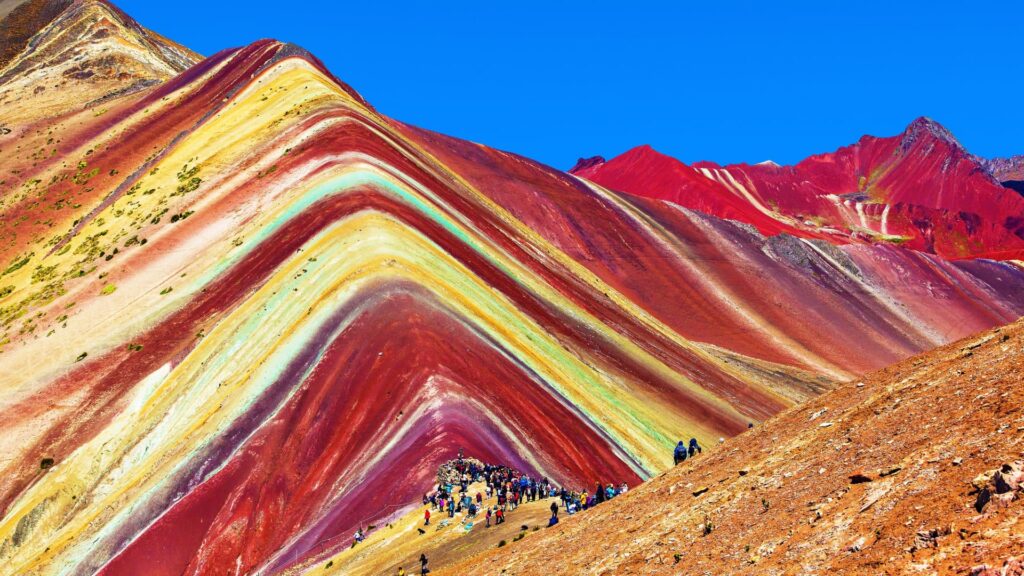
Trekking to high-altitude colorful mountains at 17,060 feet (5,200 meters) is a highlight for many travelers visiting South America. However, reaching these high Andean elevations can present real physical challenges if not planned carefully. Early morning wake-up calls, crowded shared buses, and unexpected altitude discomfort can easily diminish your enjoyment of this remarkable natural landmark.
Planning your visit with proper medical support and personalized logistics ensures a comfortable and memorable journey. Qosqo Expeditions provides private day trips tailored entirely to your personal walking speed. With oxygen-equipped vehicles, flexible departure times, and experienced local specialists, we take care of all safety details so you can enjoy the Andean landscape at your own pace.
What Makes the Rainbow Mountains in Peru Colorful?
Understanding the origin of these multi-colored slopes requires looking back through millions of years of earth history. Rather than artificial or recent surface formations, these distinct striped patterns reflect millions of years of mineral deposits, intense tectonic pressure, and natural high-altitude weathering working in harmony across the Vilcanota range.
Rain, high winds, and melting snow washed away surface topsoil over thousands of years, exposing the horizontal mineral bands directly to open air. Intense high-altitude ultraviolet light oxidized these minerals, turning hidden underground sediments into bright red, turquoise, and gold stripes.
The Seven Mineral Color Layers Explained
Each distinct color band running along the mountain ridge corresponds to a specific natural mineral compound. Iron oxide produces deep red and terra cotta clays, while copper compounds and magnesium-rich minerals create cool mint and green stripes.
Sandstone rich in sulfur compounds creates warm yellow layers, while marine limestone deposits form white and cream bands. Dark purple and plum stripes stem from iron compounds mixed with natural manganese and ancient volcanic ash.
Peru’s Geological Wonder vs. Colorful Mountains Colorado
Travelers often ask how South American mineral ridges compare to North American places like the colorful mountains colorado features, such as Red Mountain Pass or Rainbow Mountain near Breckenridge. While Colorado offers scenic red sandstone hills, the altitude, scale, and color variety of the cusco peru colorful mountains stand in a class of their own.
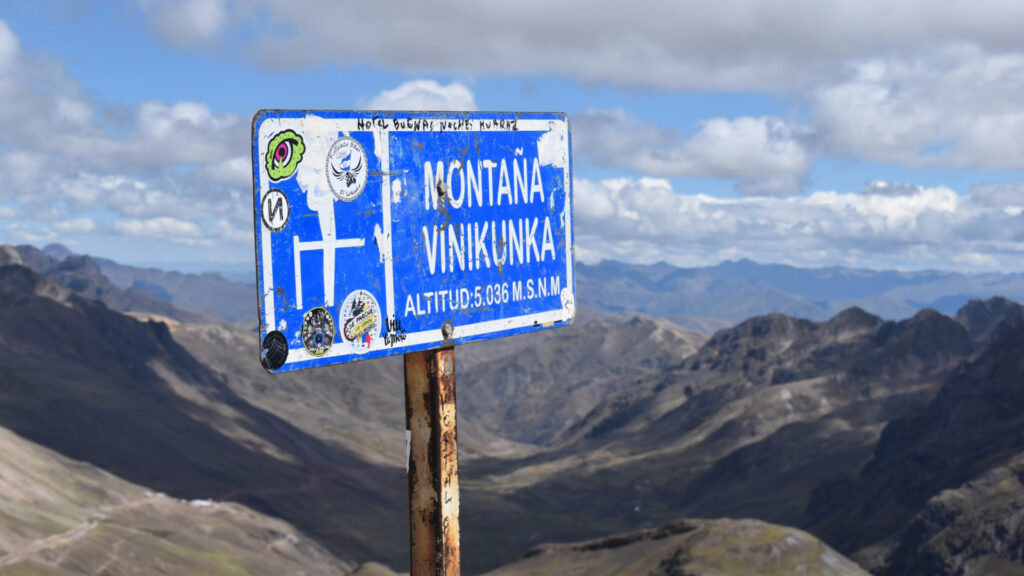
Colorado red rock formations peak around 11,000 to 12,000 feet above sea level, whereas Peru’s Vinicunca ridge reaches 17,060 feet. Additionally, North American sites usually show one or two main colors, while Peruvian ridges showcase up to seven distinct mineral stripes side-by-side.
Where Are the Colorful Mountains in Peru Located?
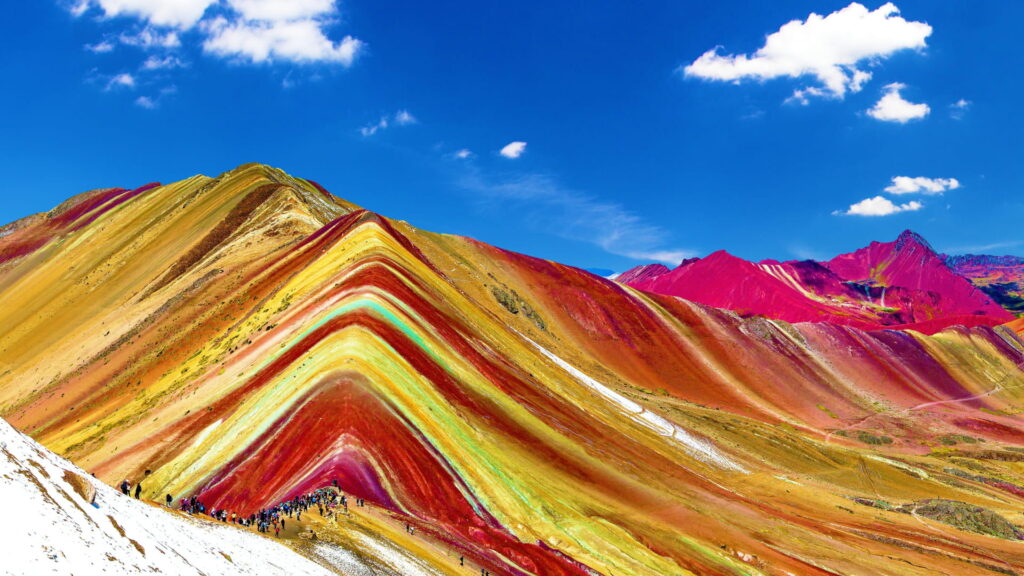
When looking up where are the colorful mountains in peru, you will find them positioned across the Vilcanota Mountain Range in southern Peru. They sit roughly 62 miles (100 km) southeast of Cusco’s historical city center.
Reaching trailheads requires a 3-hour drive from central Cusco through Cusipata or Pitumarca. From the parking areas, walkers can choose between the classic Vinicunca trail or the flatter, low-impact paths of Palccoyo.
“Choosing between Vinicunca and Palccoyo comes down to what kind of day you want. By customizing our private start times to avoid the big tour buses, our guests enjoy peaceful mountain trails with a private team monitoring their health every step of the way.” — Senior Alpine Specialist at Qosqo Expeditions
How to Experience Cusco Peru Colorful Mountains in Comfort and Safety
Reaching an elevation of 17,000 feet requires thoughtful logistical planning, certified medical support, and comfortable transport. Experiencing these high-altitude ridges with ease means choosing private travel options that protect your health while bypassing mass tourism crowds.
By customizing your departure time, traveling in clean climate-controlled vehicles, and walking alongside a private Quechua specialist, you eliminate physical stress and enjoy a well-organized high-altitude day trip.
Private Medical-Grade Transport and Oxygen Support
Walking above 15,000 feet requires specialized health precautions that standard bus tours cannot provide. Our private Mercedes-Benz Sprinter vans feature built-in medical oxygen tanks, individual pulse oximeters, and first-aid equipment to address altitude discomfort right away.
Your wilderness-certified specialist checks your blood oxygen levels regularly throughout the drive and hike. This proactive care ensures any fatigue is addressed with immediate oxygen therapy before it impacts your day.
Custom Departure Schedules to Avoid Mass Tourism Crowds
Standard group tour buses depart Cusco in a crowded convoy between 3:00 AM and 4:00 AM. Qosqo Expeditions uses flexible, private start times that allow you to sleep comfortably and avoid heavy morning traffic.
Arriving at mountain viewpoints after mass groups have left gives you quiet, unobstructed access to the trails. You can take clean, crowded-free photographs under optimal, warm mid-morning sunlight.
High-Altitude Gourmet Nutrition and Personal Trail Pacing
Digestive systems slow down significantly at high elevations. Our culinary team prepares fresh, warm breakfasts and lunches using local ingredients specifically selected for easy digestion above 15,000 feet.
You walk at your own comfortable, unhurried pace throughout the outing. Your private specialist adjusts rest stops according to your physical comfort, making sure you never feel rushed or overexerted on the ascent.
To reserve your private trip date with full medical support, view our Exclusive Private Rainbow Mountain Trek.
Preguntas Frecuentes
Planning a high-altitude trek to Peru’s rainbow ridges naturally raises important questions regarding health, logistics, and trail difficulty. Below are clear answers to the most common questions travelers ask before booking their mountain experience.
How hard is the hike to the colorful mountains in Cusco?
The trail incline itself is moderate, but walking feels harder because of the thin air at 17,000 feet altitude.
- The path covers about 4 miles round-trip along a gradual dirt track.
- Air pressure is lower than at sea level, which causes faster breathing.
- Proper rest in Cusco before the trip makes the walk very manageable.
Micro-recommendation: Spend at least 2 full days resting in Cusco or the Sacred Valley to acclimate before your hike.
What should I wear for high-altitude mountain trekking?
Mountain weather changes quickly from freezing early morning air to warm, sunny afternoon conditions.
- Wear a comfortable thermal base layer to hold body heat.
- Add an insulating fleece or warm jacket as your middle layer.
- Bring a windproof and waterproof outer jacket to block sudden gusts.
Micro-recommendation: Bring high-quality sunglasses and sunscreen, as mountain sunlight at high elevation is strong.
Can I rent a horse if I get too tired during the walk?
Yes, local indigenous community members offer horse rides at the trailhead and along the main path.
- Local horse owners lead the horses directly for your safety.
- Horses carry you along the main trail up to the final short walk to the top.
- Rides are paid directly in cash to the local horse handlers.
Micro-recommendation: Keep small cash bills in Peruvian Soles (PEN) ready if you want horse assistance during the ascent.
How does Qosqo Expeditions handle altitude sickness on the trail?
Our team uses multi-step safety steps to prevent and relieve altitude discomfort right away.
- Private vans carry full medical oxygen tanks for fast recovery.
- Specialists carry pulse oxygen meters to check your body levels continuously.
- Specialists adjust your walking pace to keep your heart rate comfortable.
Micro-recommendation: Tell your specialist right away if you feel a slight headache so they can offer preventive oxygen.
What is the difference between Vinicunca and Palccoyo?
Both offer colorful mineral ridges, but they differ in walking difficulty and tourist crowds.
- Vinicunca has a single steeper trail climb and attracts more daily visitors.
- Palccoyo offers three distinct colored ridges along a short, easy path.
- Palccoyo includes a unique rock forest formation with very few crowds.
Micro-recommendation: Choose Palccoyo if traveling with family or if you prefer an easy, low-impact walk.
How far are the colorful mountains from downtown Cusco?
The destination sits approximately 62 miles (100 km) southeast of Cusco’s historical city center.
- The private drive takes about 3 hours each way.
- The route passes scenic farming valleys and traditional Andean villages.
- Private vehicles allow for comfortable rest stops whenever you need them.
Micro-recommendation: Use the morning drive to relax comfortably inside our climate-controlled vehicles.
Is food provided during the private expedition?
Yes, Qosqo Expeditions provides complete dining service tailored for high-altitude travel.
- Enjoy a warm, fresh breakfast upon arriving near the mountain valley.
- Receive energy snacks and hydration drinks for the trail walk.
- Savor a fresh multi-course lunch served in a private dining setup.
Micro-recommendation: Eat light, easy-to-digest food before hiking to help your body adapt smoothly to the altitude.
Are toilet facilities available along the mountain trail?
Basic restrooms maintained by local communities sit at key points along the route.
- Restrooms are located at the main parking lot and halfway up the trail.
- Facilities require a small cash entrance fee of 1 to 2 Peruvian Soles.
- Local restrooms do not regularly stock hand soap or paper tissues.
Micro-recommendation: Carry personal tissue packs and hand sanitizer in your daypack for use during rest stops.
Why is a private tour safer than a budget group tour?
Private travel removes the health risks and hurry of crowded group tours.
- You set your own departure time, walking speed, and rest breaks.
- Dedicated specialists focus 100% of their attention on your personal safety.
- You have unshared medical oxygen units reserved exclusively for your party.
Micro-recommendation: Protect your health and peace of mind by choosing specialized private care over budget group buses.
What is the best month to photograph the rainbow ridges?
The dry winter months offer the clearest skies and best lighting for mountain photos.
- June, July, and August offer clear blue skies and sharp visibility.
- May and September give great natural sunlight with fewer trail visitors.
- Bright sunlight makes the yellow sulfur and red iron layers stand out clearly.
Micro-recommendation: Plan your trip between May and September to get bright, clear mountain photos under blue skies.
Leave a Reply