
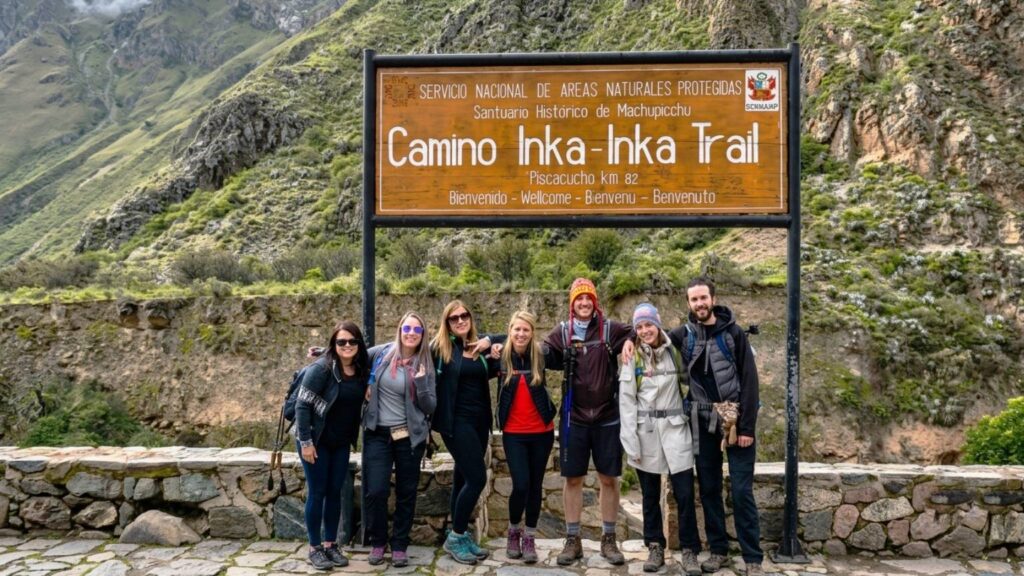

Planning the Inca Trail is much more than just booking a trek. Choosing the right date can make the difference between enjoying clear skies, spectacular views, and trails in excellent condition, or facing heavy rain and slippery paths.
Many travelers wonder when the best time to hike the Inca Trail really is, and the answer depends on the weather, the number of visitors, and the kind of experience you’re looking for.
When Is the Best Time to Hike the Inca Trail?
If you’re looking for the best balance between good weather, safety, and unobstructed views, the best time to hike the Inca Trail is during the dry season, which runs roughly from May to September.
During these months, rainfall is scarce, the trails remain in better condition, and it’s easier to enjoy the Andean landscapes. However, the best time will depend on your preferences, as each season offers different advantages.
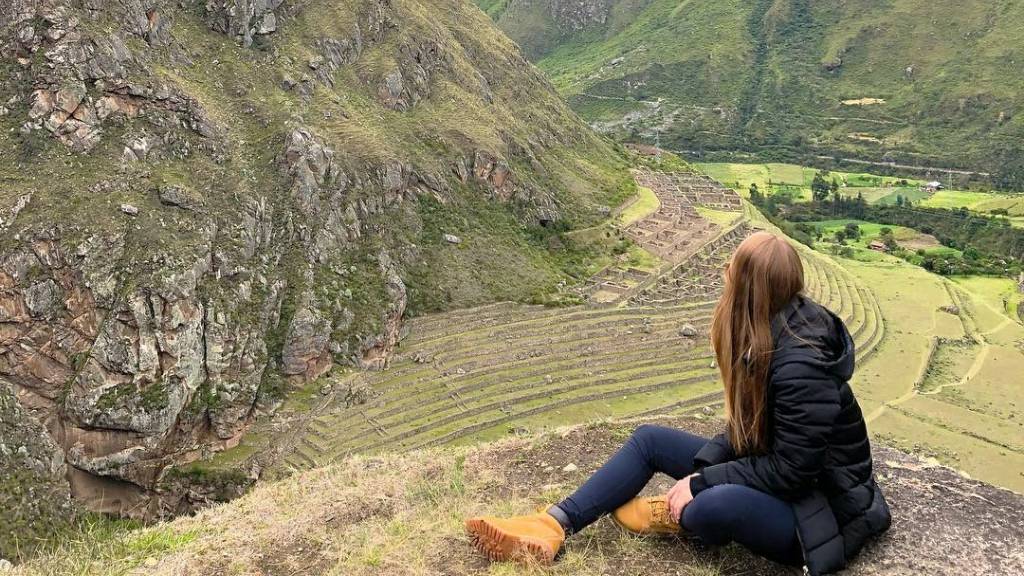
Dry Season: Travelers’ Favorite (May to September)
Most travelers choose these months because they offer the most favorable conditions for trekking. Rain is infrequent, the sky is usually clear, and the trails are less muddy, making the hike more comfortable and safer.
In addition, visibility is excellent for enjoying the scenery and taking photographs. Due to its popularity, permits often sell out several months in advance.
Rainy Season: Pros and Cons (November through March)
During this time, rain is more frequent, especially between January and March. The trails can be wet and slippery, so it’s advisable to bring waterproof clothing and appropriate footwear.
On the plus side, the vegetation is greener, the scenery is particularly striking, and there are usually fewer visitors than during the dry season. If you don’t mind hiking in occasional rain, this can be a good alternative.
Quick Comparison of the Best Times to Hike the Inca Trail
- Best weather: May through September.
- Best balance between weather and fewer crowds: April, May, September, and October.
- High season: June, July, and August.
- Rainy season: November through March.
- Closed: February.
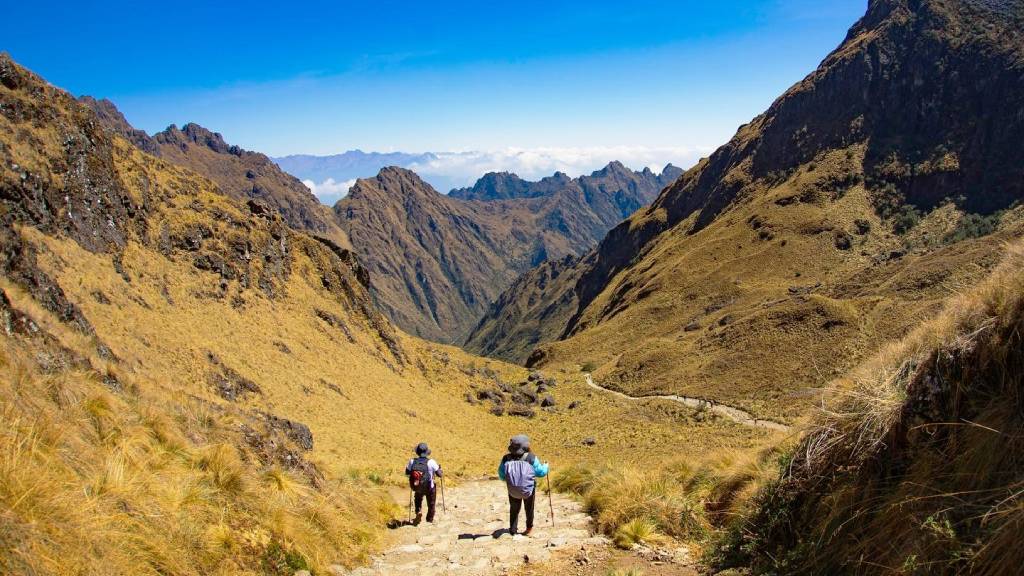
Weather on the Inca Trail Throughout the Year
The weather on the Inca Trail varies depending on the time of year and even throughout the course of a single day. Understanding these variations will help you pack the right gear.
Daytime Temperatures
During the day, temperatures are usually pleasant for hiking. When the sun is out, it can feel warm, especially at lower elevations. Even so, mountain weather changes quickly, so it’s a good idea to bring a light jacket.
Nighttime Temperatures
Nights can get quite cold, especially at higher-altitude campsites. Bringing a suitable sleeping bag and thermal clothing will help you rest better and stay comfortable during the trek.
Best Month to Hike the Inca Trail: A Quick Comparison
| Month | General Conditions | Recommendation |
| January | Frequent rain | Only for travelers prepared for rain |
| February | Inca Trail closed | Unavailable due to aintenance |
| March | Rain, but the transition begins | Possible, with caution |
| April | Green landscapes and less rain | Very good option |
| May | Strong start to the dry season | Excellent option |
| June | Dry weather and high demand | Excellent book in advance |
| July | Clear skies, colder, and more people | Very popular |
| August | Dry, crowded, and cold at night | Very good option |
| September | Good weather and fewer people than in July/August | Excellent option |
| October | Transition period, some rain | Good option |
| November | Start of the rainy season | Fair |
| December | More frequent rains | Requiere preparación |
The Inca Trail in the Dry Season vs. the Rainy Season
Choosing a season depends on your preferences.
Advantages of Hiking the Inca Trail in the Dry Season
- A higher chance of clear skies.
- Trails in better condition for hiking.
- Excellent visibility of the scenery.
- Clearer photographs.
- Lower chance of rain during the trek.
Advantages of Hiking the Inca Trail During the Rainy Season
- Mountains with lush vegetation.
- Fewer visitors during certain months.
- A more peaceful atmosphere during the trek.
- Very green landscapes full of flowers in certain areas.
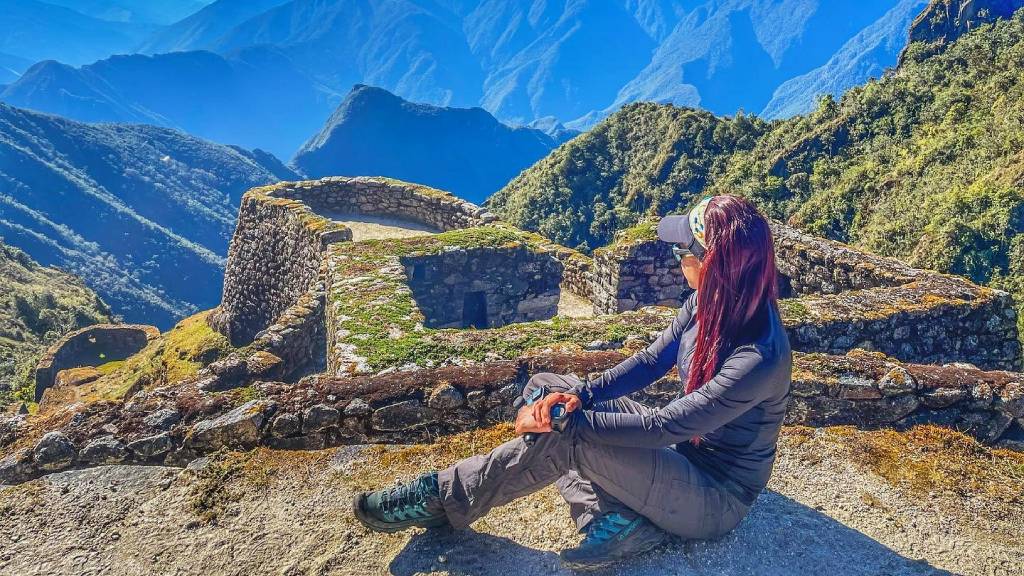
When is availability highest for booking the Inca Trail?
One of the most common mistakes is thinking that all you need to do is pick a date and book a few days in advance.
The Inca Trail operates with a limited number of daily permits, so planning is very important.
High Season and Limited Spots
Between May and September, demand increases significantly.
Thousands of travelers from around the world seek to go trekking during these months, so permits tend to sell out quickly.
How Many Months in Advance Should You Book?
If you plan to travel between May and September, it’s best to book 4 to 6 months in advance.
In some cases especially for June, July, and August booking even earlier can give you greater peace of mind.
What happens if you can’t get a permit?
Not getting a permit doesn’t mean you have to cancel your trip. There are very popular alternative routes, such as the Salkantay Trek or the Lares Trek, which also offer spectacular scenery and end at Machu Picchu.
Remember that you cannot hike the Inca Trail independently. To access the trail, you need an official permit and must travel with an authorized tour operator.
Tips for Choosing the Best Date and Preparing for the Inca Trail
- Consider the weather and your physical condition.
- Book well in advance.
- Choose the season based on your interests.
- Check the closure schedule.
- Acclimatize in Cusco before the trek.
- Wear broken-in hiking boots.
- Bring plenty of water and sunscreen.
- Pack only what you need.
Frequently Asked Questions About the Best Time to Hike the Inca Trail
When is the best time to hike the Inca Trail?
The dry season, between May and September, usually offers the best weather conditions for hiking the trail.
Can you hike the Inca Trail during the rainy season?
Yes, although it’s important to be prepared for wet trails, frequent rain, and sudden changes in weather.
Why is the Inca Trail closed in February?
Because it’s the rainiest month, and this period is used to carry out maintenance and conservation work on the trail.
How far in advance should I book?
Ideally, you should book four to six months in advance, especially if you want to travel during the dry season.
Is it very cold during the trek?
Nights can be cold due to the altitude, while daytime temperatures are usually pleasant for hiking.
Choose the Perfect Season to Experience the Inca Trail
The best time to hike the Inca Trail depends on your preferences, though the dry season offers the best conditions for most travelers. Plan ahead and reserve your permit to enjoy this unforgettable experience.
Do you already know which month you want to embark on this adventure? Check out our tours for the Inca Trail to Machu Picchu and secure your permit in advance.