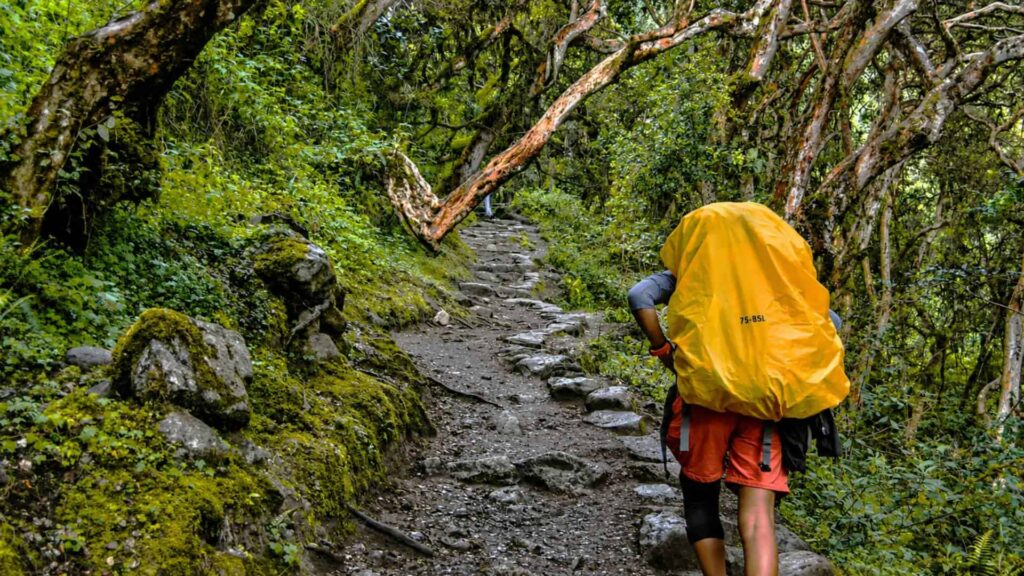

Hiking the Inca Trail is much more than just a trek. It’s following the ancient trails built by the Inca Empire as you traverse mountains, cloud forest, and archaeological sites that lead to one of the Seven Wonders of the Modern World: Machu Picchu.
Before booking this experience, many travelers ask themselves: How long is the Inca Trail? The answer goes beyond a simple number, as it also involves understanding the duration, difficulty, elevation, and how to prepare to make the most of this adventure.
How long is the Inca Trail, exactly?
The length of the Inca Trail depends on the route you choose, although the classic route is the most popular among travelers from around the world.
How long is the Classic Inca Trail: 4 days and 3 nights?
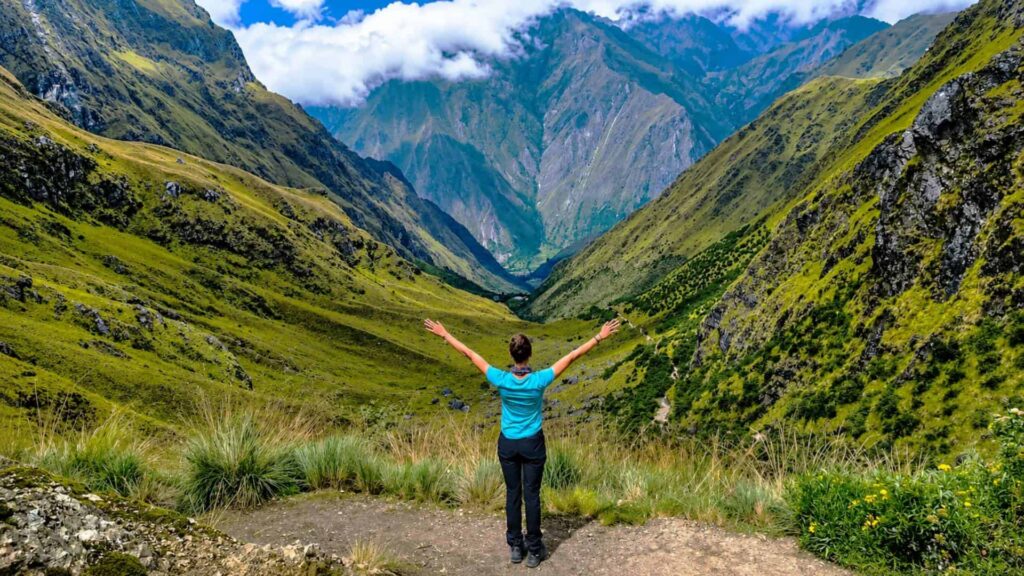
The Classic Inca Trail is approximately 26 miles (43 kilometers) long. This distance is covered over four days of hiking, traversing ancient cobblestone paths, mountain passes, and various archaeological sites.
Although the distance may not seem excessive, the elevation gain and altitude make the trek much more challenging than a conventional hike.
The trek is typically divided as follows:
| Day | Approx. Distance | Estimated Hiking Time |
| Day 1 | Approximately 7.5 miles (12 km). | 5-6 hours |
| Day 2 | Approximately 9.9 miles (16 km). | 8-9 hours |
| Day 3 | Approximately 6.2 miles (10 km). | 4-5 hours |
| Day 4 | Approximately 3.1 miles (5 km). | 2-3 hours |
Each day combines hiking, rest breaks, and guided tours of archaeological sites.
How long is the 2-Day Inca Trail?
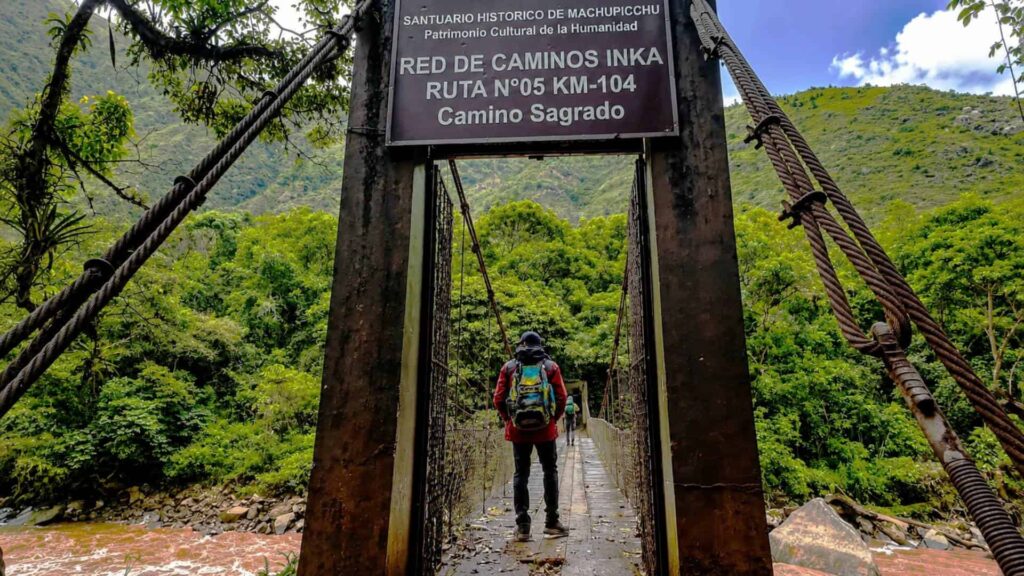
For those with limited time, the 2-Day Inca Trail is an excellent option. This route is approximately 7.5 miles (12 kilometers) long and begins at kilometer 104 of the railway line to Machu Picchu.
The first day includes a hike of about 6 to 7 hours, during which travelers visit the Wiñay Wayna archaeological complex before entering Machu Picchu through the iconic Sun Gate (Inti Punku). The second day is dedicated to touring the Machu Picchu citadel with a guide and enjoying free time to explore this World Heritage Site.
Comparison with Other Routes to Machu Picchu
Although the Inca Trail is the best known, other alternatives allow travelers to reach Machu Picchu.
| Route | Distance | Duration |
| Classic Inca Trail | 26.7 miles (43 km) | 4 days |
| Short Inca Trail | 7.5 miles (12 km) | 2 days |
| Salkantay Trek | 44.7 miles (72 km) | 5 days |
| Lares Trek | 20.5–24.9 miles (33-40 km) | 4 days |
| Inca Jungle | Approx. 37.3 miles (60 km) | 4 days |
Each offers a different experience depending on the traveler’s fitness level and the type of adventure they’re seeking.
Difficulty of the Inca Trail
The Inca Trail is classified as a moderately difficult trek.
It does not require professional experience, but it does require adequate physical preparation.
Required Fitness Level
It is recommended to prepare in the weeks leading up to the trek with cardiovascular exercises and training hikes.
Activities such as walking, running, cycling, or hiking help improve endurance and make it easier to adapt to physical exertion. If you already have experience on trekking routes, you’ll likely enjoy the trek more comfortably and reduce the risk of fatigue during the hike.
Maximum Altitude and Acclimatization to Altitude Sickness
The highest point on the Inca Trail is the Warmiwañusca Pass, located at 13,829 feet (4,215 meters above sea level).
At this altitude, some people may experience symptoms of altitude sickness, such as headaches, fatigue, or shortness of breath.
Therefore, it is advisable to spend at least two days in Cusco before beginning the trek.
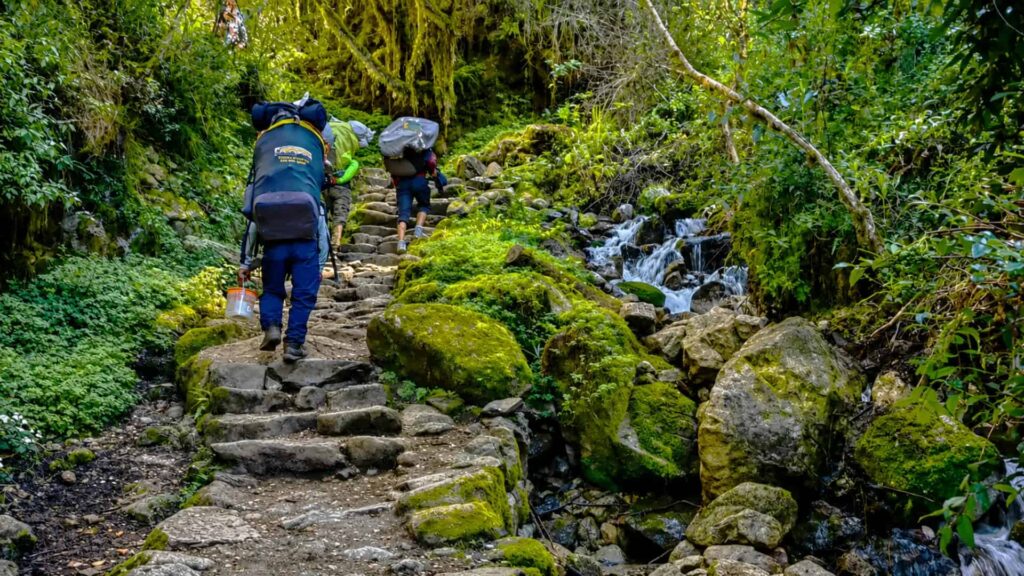
Tips Before Hiking the Inca Trail
Good planning can make the difference between a difficult experience and an unforgettable adventure.
Best Time of Year to Hike
The dry season, between May and September, offers the best conditions for trekking.
During these months, rain is less frequent and the trails are in better condition.
Book in Advance (Limited Spots)
The authorities restrict access to the Inca Trail to a limited number of visitors per day.
Therefore, we recommend booking at least four to six months in advance, especially if you plan to travel during peak season.
What to Pack in Your Backpack
Essential items include:
- Original passport.
- Lightweight backpack.
- Layered clothing.
- Waterproof jacket.
- Thermal and quick-dry clothing.
- Hiking boots.
- Sunscreen.
- Beanie or hat.
- Headlamp.
- Reusable water bottle.
- Hiking poles with rubber tips (Highly recommended).
Frequently Asked Questions About the Inca Trail
How long does the Inca Trail to Machu Picchu take?
The duration of the Inca Trail depends on the route you choose and the itinerary booked with the travel agency:
- The traditional route, or Classic Inca Trail: takes four days and three nights.
- For those with less time, there is the Short Inca Trail, a two-day, one-night version.
How long is the Inca Trail in miles?
The length of the Classic Inca Trail is approximately 26.7 miles (43 kilometers). This trek is typically completed in 4 days and 3 nights, crossing Andean mountains, cloud forest, and several archaeological sites before reaching Machu Picchu. If you choose the 2-day Inca Trail, the distance is approximately 7.5 miles (12 kilometers).
What is the most difficult part of the trek?
The ascent to Warmiwañusca Pass, at an elevation of 13,829 feet (4,215 masl), is considered the most challenging section.
Can you do it without a guide?
No. Access to the Inca Trail is only permitted through an authorized tour agency and when accompanied by an official guide.
How much does the Inca Trail cost?
The price depends on the operator, permit availability, group size, and included services.
Is it suitable for beginners?
Yes. Many travelers hike the Inca Trail for the first time without any prior trekking experience. The most important thing is to be in good physical condition, maintain a steady pace, and take rest breaks during the hike.
In addition, it’s essential to stay properly hydrated and follow the guide’s recommendations at all times.
Knowing how long the Inca Trail is just the beginning of your planning. Its 43 kilometers represent a journey rich in history, culture, and nature that has remained alive for centuries. Beyond the distance, this experience offers the opportunity to follow in the footsteps of the ancient Incas, discover breathtaking Andean landscapes, and reach Machu Picchu via the same path used by its ancient inhabitants.
If you’re looking for an authentic experience that combines physical challenge with profound historical significance, the Inca Trail will undoubtedly be one of the best experiences of your life.