
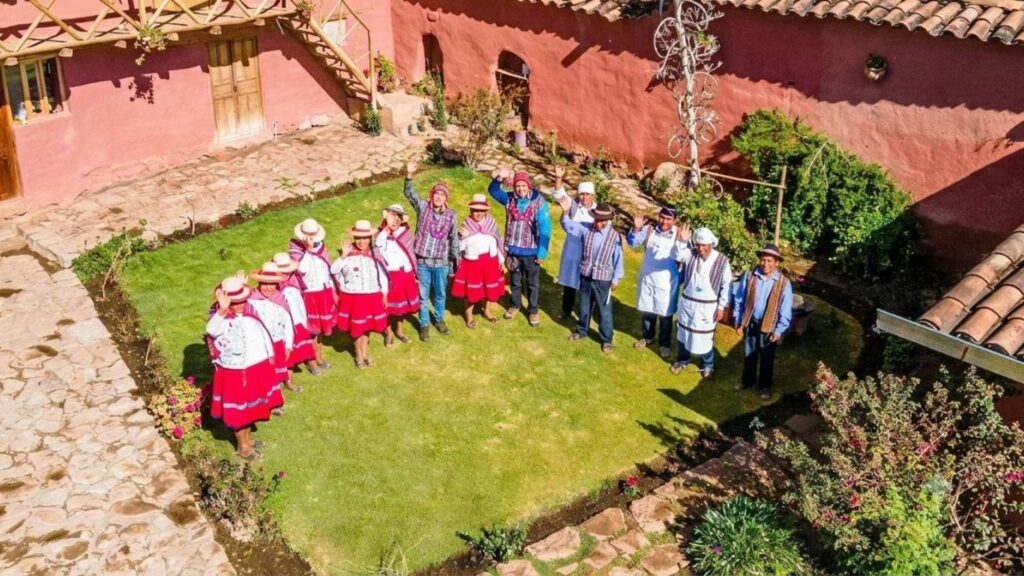

Traveling no longer means just visiting monuments or taking photos of the most famous sights. More and more travelers are seeking experiences that allow them to connect with the local culture, share ancestral traditions, and create memories that last a lifetime. That is precisely what experiential tourism is: a way of traveling where you are the star of the show and every activity becomes a story to tell.
What Is Experiential Tourism?
Experiential tourism is a form of travel that seeks to actively involve visitors in the culture, traditions, and lifestyle of a destination. Instead of being a mere spectator, travelers participate in activities that foster an emotional connection with the people and the environment.
This trend has gained popularity in recent years because tourists no longer seek merely to visit a place, but to have experiences that allow them to return home with unique stories and meaningful lessons.
Why are more and more travelers choosing it?
Today, travelers value authenticity far more than highly visited attractions. They seek to move away from conventional tourism to discover lesser-known places and establish a genuine connection with the local culture.
Furthermore, experiential tourism creates much more lasting memories, since the emotions experienced tend to remain in one’s memory for much longer than a simple sightseeing trip.
Differences Between Traditional Tourism and Experiential Tourism
While traditional tourism primarily focuses on visiting tourist attractions and following set itineraries, experiential tourism seeks to give each activity personal meaning.
Although both types of tourism allow travelers to discover a destination, they have important differences:
| Traditional Tourism | Experiential Tourism |
| Focuses on visiting places | Focuses on having authentic experiences |
| The tourist observes | The tourist actively participates |
| Quick itineraries | More immersive and meaningful activities |
| Photos are often the main takeaway. | Experiences and learning are the greatest mementos |
| Less contact with the community | Greater interaction with the local population and their traditions |
This difference means that many people remember an experiential tourism trip for longer, since they not only get to know a destination but also forge connections with its culture, customs, and people.
It is a way of traveling that transforms the visit into an authentic and memorable experience.
Benefits of Experiential Tourism
Choosing this type of tourism offers advantages for both travelers and the communities that welcome visitors.
In addition to enriching the tourist’s experience, it also contributes to local economic development and the preservation of cultural heritage.
Connection with Local Culture
One of the greatest advantages of experiential tourism is the opportunity to spend time with people who keep their traditions alive.
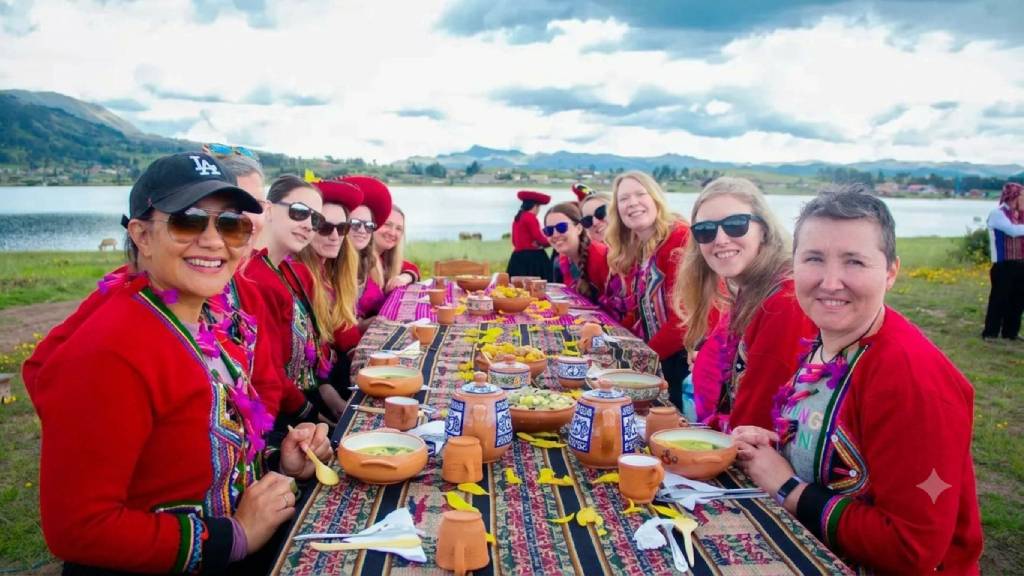
Sharing a traditional meal, learning a few words in Quechua, or participating in farm work provides a better understanding of the way of life in Andean communities.
Learning and Personal Growth
Each experience offers an opportunity to learn new skills, discover different ways of thinking, and develop a greater appreciation for other cultures.
Many travelers say that this type of tourism changes the way they understand the world and allows them to appreciate customs different from their own.
Contribution to Sustainable Tourism
Experiential tourism promotes responsible practices that directly benefit local communities.
By hiring services run by local residents, purchasing locally made crafts, or consuming local products, travelers help strengthen the regional economy and promote the preservation of traditions.
Experiential Tourism in Cusco: An Unforgettable Adventure
Cusco is one of the best places in Peru for experiential tourism.
In addition to its impressive archaeological heritage, it offers numerous activities that allow visitors to immerse themselves in Andean culture.
Experiences with Communities in the Sacred Valley
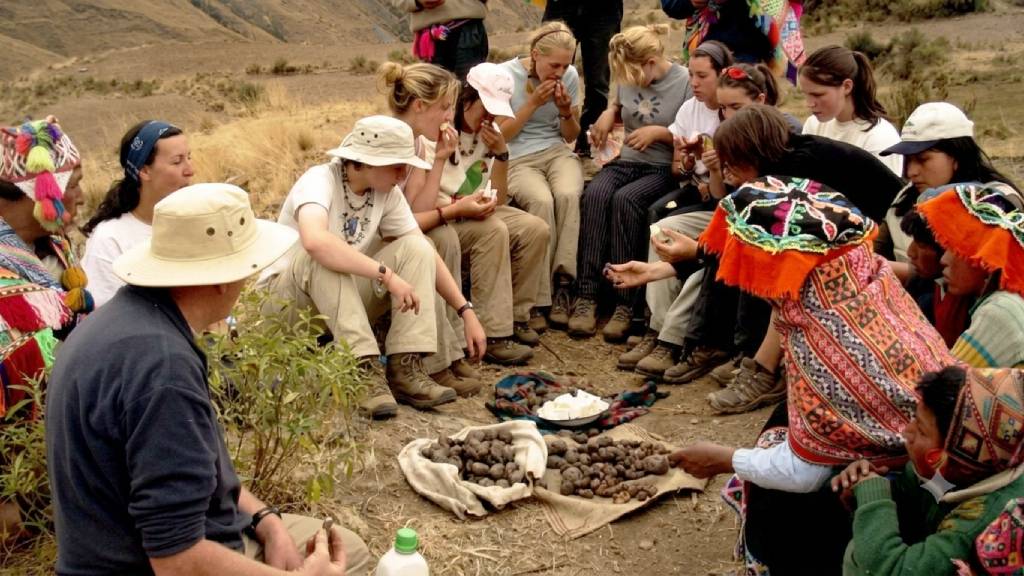
Travelers can stay with local families in the Sacred Valley, participate in farm work, learn about traditional farming methods, and share moments that reflect the true Andean spirit.
These experiences offer a firsthand look at the culture, customs, and way of life that are still preserved in this iconic region of Cusco.
Cultural and Archaeological Hikes
Beyond visiting Machu Picchu, there are lesser-known trails that combine hiking, history, and interaction with rural communities.
These hikes allow you to discover spectacular landscapes while learning about the Andean worldview, local traditions, and the historical legacy of the Incas.
Workshops on Textiles, Gastronomy, and Traditional Agriculture
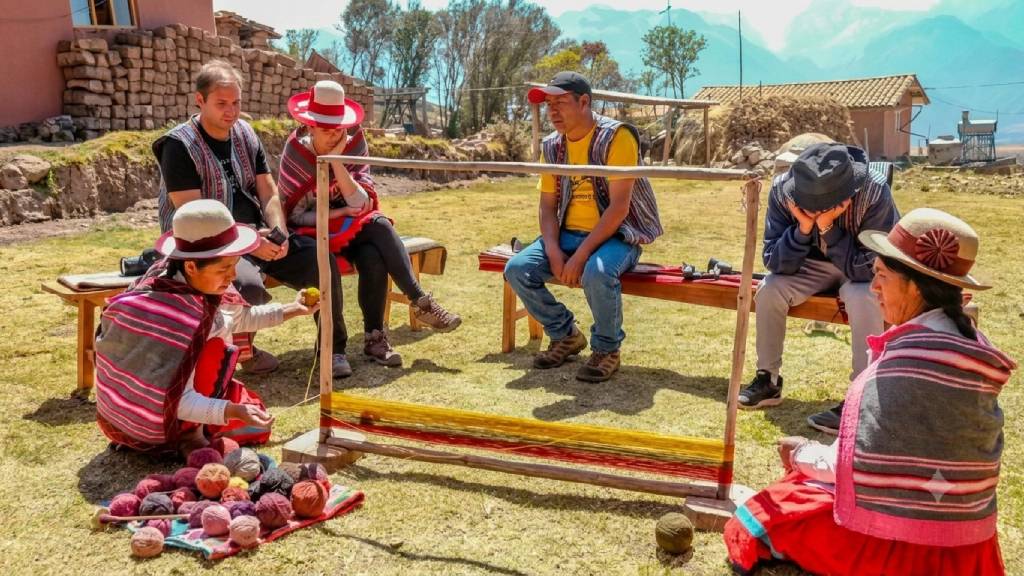
Many communities offer workshops where visitors learn ancestral techniques for weaving with alpaca wool, preparing traditional dishes, and agricultural practices rooted in Andean heritage and passed down through generations.
These activities help visitors appreciate the knowledge passed down from generation to generation.
Frequently Asked Questions
What exactly is experiential tourism?
It is a form of travel in which visitors actively participate in cultural, natural, and community activities to have authentic experiences.
What is the difference between experiential tourism and immersive tourism?
Although both concepts are similar, Immersive tourism focuses on deep involvement in a specific environment or culture, while experiential tourism is broader and may include cultural, culinary, nature-based, adventure, and community-led activities.
Who can participate in this type of tourism?
Anyone interested in gaining a deeper understanding of local culture can enjoy experiential tourism, regardless of their age or travel experience.
Is experiential tourism a form of sustainable tourism?
Yes. When developed responsibly, it contributes to the economic development of communities, fosters the preservation of cultural heritage, and promotes respect for the environment.
What are the best experiential tourism experiences in Peru?
Among the most highly recommended activities, travelers can spend time with communities in the Sacred Valley, participate in textile workshops, learn about Peruvian cuisine, take part in traditional festivals, and hike ancient trails such as the Inca Trail or the Lares Trek.
What activities are part of experiential tourism?
Among the most common are cooking workshops, visits to communities, cultural walks, agricultural experiences, crafts, and nature-related activities.
Is Peru a good destination for experiential tourism?
Yes. Thanks to its rich culture, cuisine, and natural beauty, Peru offers numerous authentic experiences in regions such as Cusco, Puno, Arequipa, the Amazon, and the Sacred Valley.
Travel to Live, Learn, and Connect
Experiential tourism allows travelers to discover a destination in a more authentic way, connecting with its culture, history, and local communities.
Thanks to its diverse landscapes and traditions, Peru is the ideal place to have unforgettable experiences that go beyond a typical tourist visit and remain in your memory long after the trip is over.
Ready to discover the most authentic side of Cusco? Explore our experiential tourism tours and connect with Andean culture, traditions, and communities through unforgettable experiences.
Book your next adventure and experience Cusco in a whole new way!