
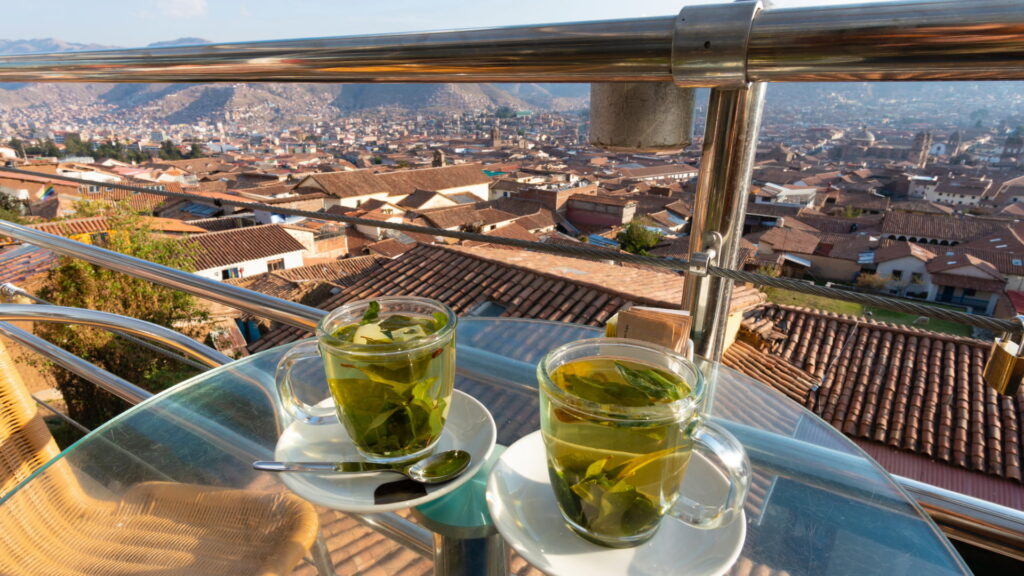

Arriving in the high-altitude environment of Cusco presents an immediate physical challenge. Specifically, stepping off the plane at over 11,000 feet means less available oxygen. Your body operates in a highly deprived environment. Consequently, visitors frequently experience debilitating headaches. Severe shortness of breath and exhaustion hit right from day one.
Ignoring these physical signals amplifies your risk factors. Battling severe nausea inside your hotel room ruins a highly anticipated vacation. Thus, it quickly becomes an uncomfortable ordeal. You need a proactive approach to manage blood oxygen levels. Otherwise, mild symptoms escalate into acute mountain sickness. This effectively grounds your travel plans.
Fortunately, you can completely eliminate this anxiety. Rely on a proven, time-tested Andean remedy. Integrate the strategic use of Coca Leaf Tea into your daily routine. Therefore, you provide your body with exact biological support to adapt. We blend this ancient botanical wisdom with modern protocols. As a result, you conquer extreme elevations safely and comfortably.
Understanding Altitude Sickness in the Peruvian Andes
The Biological Impact of High Elevation
To fully grasp the power of the coca plant, we must understand the altitude. Altitude sickness, locally known as “soroche,” is a direct physiological response. Specifically, it reacts to reduced barometric pressure. While the oxygen percentage remains the same, the decreased pressure makes the air thinner.
Because the air is thinner, your lungs absorb less oxygen per breath. Therefore, your heart pumps much faster to compensate for this deficit. This leads to rapid physical fatigue. For this reason, walking up stairs in Cusco feels like running a marathon.
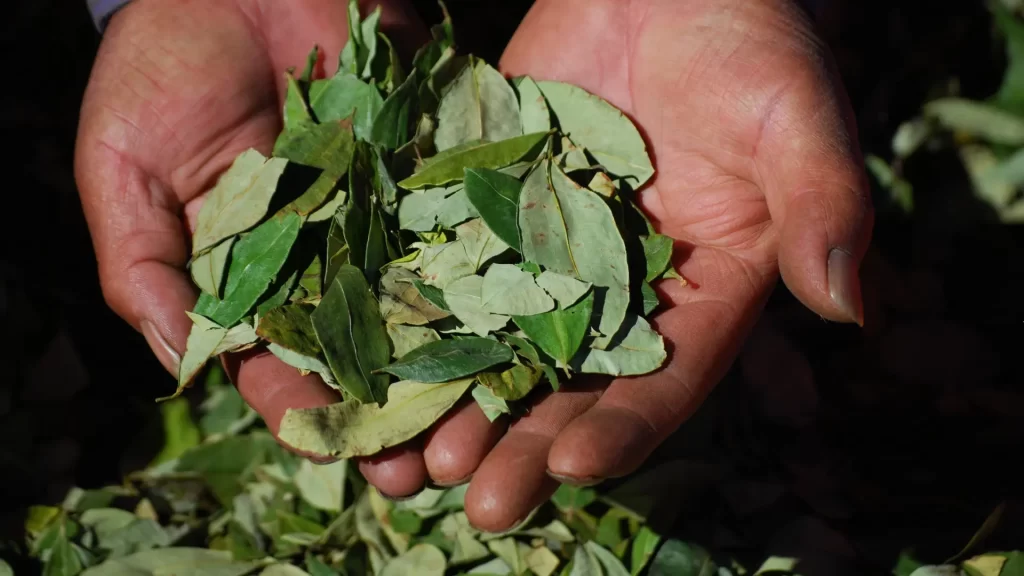
This hypoxic state triggers a chain reaction. First, blood vessels in your brain dilate to pull in more oxygen. Naturally, this causes the classic throbbing headache. Next, your digestive system slows down. This results in a loss of appetite and mild nausea. Your body desperately needs a mechanism to optimize oxygen intake. Indeed, this is exactly where local botanical science intervenes.
The Scientific Link Between Coca Leaf Tea and Hypoxia Relief
How Natural Alkaloids Work
The reason Coca Leaf Tea is universally recommended is not merely cultural. It is deeply rooted in biochemistry. Cultivated in the nutrient-rich soils of the eastern Andes, these leaves are special. They possess a remarkably dense botanical profile. Thus, they evolved specifically for high-altitude survival.
When properly brewed in hot water, the leaves release natural, non-addictive alkaloids. These specific compounds act as a mild, highly effective vasodilator. By gently widening your blood vessels, the tea improves circulation. Consequently, your system delivers limited oxygen to your brain and muscles much more efficiently.
Scientific Mineral Profile of the Coca Leaf
- Iron and Magnesium: These critical minerals are strictly necessary for cellular oxygenation, directly combating the lethargy caused by thin air.
- Calcium and Phosphorus: Present in extraordinarily high concentrations, providing essential structural support for bone strength over long distances.
- Vitamins B1, B2, and C: Potent natural antioxidants that actively protect your cellular integrity against the heavy oxidative stress caused by high-altitude exertion.
- Natural Alkaloids: These compounds stimulate steady respiratory function without triggering the dangerous heart rate spikes commonly associated with synthetic caffeine.
Understanding this complex chemical makeup allows you to utilize the infusion strategically. Unprepared tourists struggle with altitude pills carrying harsh side effects. In contrast, you actively supply your body with a natural defensive barrier. Your system steadily absorbs these essential minerals. As a result, you establish a rock-solid foundation for upcoming treks.
Strategic Acclimatization: Timing Your Consumption
Daily Protocols for Trekking Success
Conquering the Andes is a majestic achievement. It demands respect for the environment and a structured plan. Simply drinking a single cup of tea is not a magic cure. Instead, the timing and dosage of your consumption dictate your success.
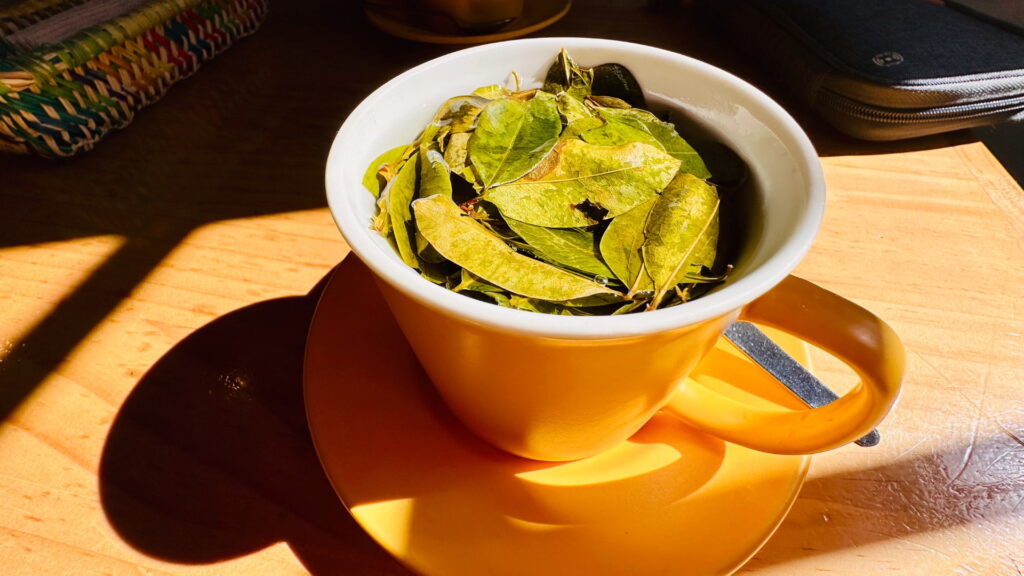
At Qosqo Expeditions, we implement a rigorous acclimatization protocol. We integrate this traditional infusion at highly specific intervals. We recommend starting your day with a warm cup. Therefore, you gently stimulate your respiratory system before physical activity begins.
“Altitude management is a precise science. We never advise our guests to push their limits on the first day. The absolute best strategy is aggressive hydration combined with two to three cups of Coca Leaf Tea daily during the first 48 hours. This natural vasodilation, combined with our mandatory on-board oxygen cylinders, is the reason our trekkers reach the summit with energy to spare.” — Yuri S., Senior Lead Guide, Qosqo Expeditions.
As you progress through your itinerary, the tea serves as a stabilizing force. However, it acts as a mild stimulant. For this reason, we strongly advise against drinking it late at night. You must achieve deep, restorative sleep for altitude recovery.
By following a structured hydration plan, you remove cardiovascular pressure. You never worry about sudden crashes in energy. Thus, you focus entirely on the breathtaking scenery around you.
Experiencing the High Andes with Maximum Support
Safety and Premium Care on the Trail
The true test of your acclimatization occurs outside the city. Physical exhaustion at high altitude is compounding. If you start a trek feeling dizzy, the elevation rapidly depletes your energy.
This is why pairing Coca Leaf Tea with premium support is non-negotiable. Attempting rigorous hikes without professional monitoring is dangerous. Consequently, it leaves you vulnerable to sudden drops in oxygen saturation.
| Acclimatization Factor | Unassisted Travel (No Support) | Premium Guided Acclimatization |
|---|---|---|
| Preventative Hydration | Relies on standard bottled water | Strategic administration of Coca Leaf Tea |
| Oxygen Monitoring | None (symptoms often ignored until severe) | Continuous pulse oximeter readings |
| Emergency Response | High risk of trip cancellation | Immediate access to medical-grade oxygen |
| Physical Pacing | Rushed, leading to rapid breathlessness | “Polo Polo” (slow) pacing tailored to your heart rate |
| Overall Comfort | High stress, nausea, and severe fatigue | Total peace of mind and physical stability |
Whenever you pause on our trails, we instantly provide thermal blankets. We also serve additional hot infusions to maintain your core temperature. Standing at the top of a peak feels extraordinary. Feeling strong and oxygenated proves that genuine expertise changes everything.
Experience this unparalleled level of care and comfort on your next adventure by exploring the historic wonders of our Full-Day Machu Picchu Tour from Cusco or conquering the pristine heights of our Humantay Lake Tour.
Frequently Asked Questions (FAQ)
Planning a high-altitude expedition naturally generates rational concerns regarding health and safety. Our primary objective is to equip you with transparent, scientifically accurate information. Below, our senior experts address the most pressing questions regarding altitude management.
What exactly is altitude sickness, and why does it affect so many travelers?
Altitude sickness, locally referred to as “soroche,” is a physical reaction. It happens when ascending rapidly into environments with lower atmospheric pressure. Because the air is thinner, your lungs absorb less oxygen. Consequently, this deprivation leads directly to severe headaches, extreme fatigue, nausea, and dizziness. In a city like Cusco, these symptoms are incredibly common. Thus, you must follow a structured acclimatization plan.
How does Coca Leaf Tea physically work to relieve these symptoms?
This traditional infusion functions as a powerful, natural vasodilator. The specific alkaloids gently encourage your blood vessels to widen. Therefore, this immediately improves blood circulation. As a result, your body transports oxygen to your brain much more efficiently. Additionally, the tea acts as a natural digestive aid. It settles the stomach issues that accompany oxygen deprivation.
Is it safe to drink this infusion if I am sensitive to regular caffeine?
Yes, it is entirely safe and well-tolerated by most people. Unlike highly concentrated coffee, the infusion provides a mild energy release. It does not cause rapid heart rate spikes or sudden crashes. Therefore, you experience a gentle boost in focus. Meanwhile, you maintain complete cardiovascular stability.
How many cups of tea should I drink per day to prevent sickness?
For optimal acclimatization, we highly recommend drinking two to three cups daily. Do this during your first 48 hours at high altitude. The best time to consume it is early morning and shortly after lunch. Consequently, you aid digestion and maintain steady blood flow. However, we advise against drinking it after 5:00 PM.
Can I rely solely on the tea, or do I need altitude sickness pills?
The infusion is highly effective for mild to moderate acclimatization. Still, it is not a replacement for professional medical advice. Many travelers find that combining the tea with aggressive hydration is enough. However, if you have a history of severe altitude sickness, consult your doctor. Specifically, ask about prescription medications like Acetazolamide (Diamox).
Are there any side effects associated with drinking this traditional tea?
When consumed in moderate amounts, there are virtually no negative side effects. The most common sensation is a very slight, harmless numbness on the tongue. Naturally, this is a reaction to the plant’s active compounds. Overconsumption, however, can lead to mild restlessness. For this reason, we emphasize strategic, paced hydration.
Can I bring the leaves or the tea bags back home to my country?
No, you absolutely cannot. Consuming the infusion is entirely legal and highly recommended within Peruvian borders. Conversely, international customs laws are incredibly strict. Taking the leaves across international borders is heavily penalized. Thus, it is prohibited by customs agencies in North America and Europe.
What should I eat alongside the tea to help my body acclimatize faster?
Your diet plays a massive role in adaptation. We recommend pairing your hot infusions with very light, easily digestible meals. Specifically, focus on complex carbohydrates like quinoa, potatoes, and mild soups. You must strictly avoid heavy, fatty meats and alcohol. Because your digestive system requires significantly more oxygen, heavy foods exacerbate sickness.
Is it appropriate or safe for young children to consume this specific tea?
Generally, we do not recommend serving this specific infusion to young children. Their developing nervous systems react differently. However, their comfort is equally important to us. For our younger guests, our guides prepare caffeine-free alternatives. We frequently serve “Muña” tea or warm anise infusions. Therefore, they stay hydrated and comfortable.
What happens if I drink the tea but still feel severely ill on the mountain?
If symptoms persist despite hydration, it is critical to have professional backup. This is why our entire field team holds advanced medical certifications. On every single trek, we carry full medical-grade oxygen cylinders. If the tea is not enough, we immediately administer pure oxygen. As a result, we completely remove the risk from your adventure.

Leave a Reply