
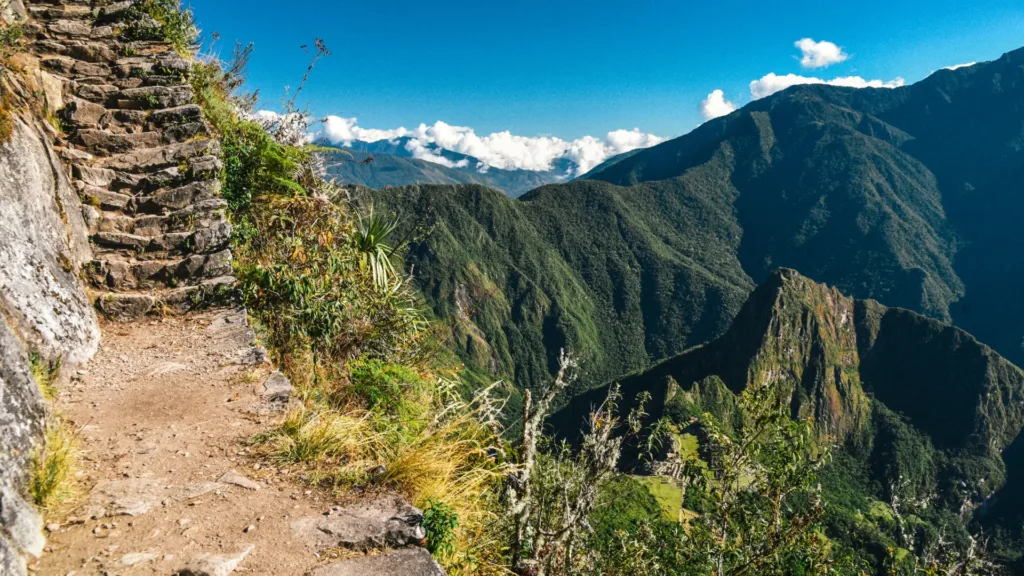
Hiking the legendary Inca Trail to Machu Picchu is an unforgettable mountain journey. Getting your preparation right makes all the difference between an exhausting struggle and a comfortable, rewarding experience. Here you will find direct, factual details regarding permits, camp comfort, altitudes, trail conditions, and weather to help you plan your trek with complete confidence.
Camp Hygiene, Gear Essentials, and Hiker Comfort
Daily life on the trail brings inspiring mountain views, but staying clean, warm, and well-equipped keeps your energy high throughout the multi-day hike.
Are clean private bathrooms available along the route?
Public campsite toilets exist at main locations managed by government rangers, including Wayllabamba, Pacaymayo, and Wiñay Wayna. These public facilities are shared among many trekkers and offer basic squat toilets. To ensure superior comfort and hygiene, dedicated trekking crews set up clean chemical toilets inside private sanitary tents at every lunch stop and campsite. Having dedicated private bathrooms for your group ensures privacy, warmth, and proper cleanliness throughout the trek.
Are there showers available during the multi-day trek?
Cold public showers are located at the Wiñay Wayna campsite on Day 3. Because ambient mountain air drops quickly after sunset, cold showers can cause severe body chills at high elevation. When travelers ask about showers on the trek, experienced local guides recommend avoiding cold public water. Instead, camp staff provide basins of hot water and clean towels at your tent door every morning and evening for daily personal hygiene.
What is the porter backpack weight limit?
Government park regulations strictly enforce a weight limit rule to protect porter health and ensure fair labor standards. Porters carry a gear duffel bag with a maximum weight allowance between 6 kg and 8 kg (13 to 17 lbs) per hiker, which covers your sleeping bag, sleeping pad, and evening clothes. You carry your own small daypack on the trail for personal items like water, snacks, rain jackets, and sunscreen.
How does luggage storage work in Cusco before the trek?
Managing your main luggage before departing Cusco at 3,400 meters (11,150 ft) is simple and safe. Reliable tour operators and hotels in Cusco offer complimentary luggage storage in secure rooms. You leave your heavy rolling suitcases behind in Cusco and head into the Sacred Valley carrying only your lightweight daypack and porter duffel bag.
Is high-altitude trekking safe for active travelers?
When you plan your journey with proper acclimatization in Cusco (at least 48 hours prior to hiking), high-altitude trekking is safe and manageable for active travelers. The stone path is well-maintained and patrolled daily by official park rangers. The trail starts at Kilometer 82 at 2,600 meters (8,530 ft) and climbs to its highest point at Dead Woman’s Pass at 4,215 meters (13,828 ft) before descending toward Machu Picchu at 2,430 meters (7,972 ft). Walking at a steady, measured pace with experienced local guides ensures a safe hike.
What essential gear and footwear should you bring for 4 days?
Packing smart for the classic 4-day route keeps you comfortable across changing mountain microclimates. Choosing the best shoes for hiking means selecting sturdy, waterproof trekking boots with strong ankle support and deep rubber traction soles that have been well broken in before your trip.
- Footwear: Broken-in waterproof hiking boots and lightweight camp shoes for the evening.
- Clothing Layers: Breathable base layers, warm fleece jacket, thermal sleepwear, and a windproof rain coat.
- Trekking Gear: Adjustable trekking poles with mandatory rubber protective tips.
Route Comparisons, Maintenance Closures, and Permits
Understanding government permit quotas, annual park maintenance schedules, and route choices allows you to secure your preferred travel dates early.
What is the main difference between Salkantay Trek and the Inca Trail?
When deciding between the Salkantay Trek vs Inca Trail, the primary difference comes down to historic ruins, terrain, and permit availability.
- Inca Trail: Original stone paving, ancient Incan archaeological sites, direct walk-in access through the Sun Gate, strict limit of 500 permits per day.
- Salkantay Trek: Glacial alpine landscapes, Humantay Lake at 4,200 meters, high pass crossing at 4,630 meters, flexible booking with no permit caps.
Can you do a combined Salkantay and Inca Trail expedition?
If you want to experience dramatic high-altitude glaciers alongside ancient stone ruins, choosing a combined Salkantay and Inca Trail expedition is an outstanding option. This combined trek spans 6 or 7 days, taking you over the high Salkantay Pass at 4,630 meters (15,190 ft) before connecting directly into the classic path at Wayllabamba valley to enter Machu Picchu on foot through the Sun Gate.
Why is the route closed for maintenance every February?
Official regulations mandate a complete shutdown of the entire trail network every February. Heavy rainfall during this month allows park authorities to repair stone staircases, clear drainage channels, maintain campsites, and let natural flora regenerate. While the trail rests, the Machu Picchu citadel remains open to visitors arriving by train, and alternative trekking routes like Salkantay remain fully open.
How far in advance should you book Inca Trail permits?
Knowing how far in advance to book Inca Trail passes is essential because government daily limits are strictly capped at 500 permits per day, which includes tourists, guides, cooks, and porters. Keep these general booking timelines in mind when planning your trip.
- Peak Season (May to August): Reserve 4 to 6 months in advance.
- Shoulder Season (April, September, October): Reserve 2 to 3 months in advance.
- Rainy Season (November to January): Reserve 1 to 2 months in advance.
What is the child policy and senior discount structure?
Under current Peruvian park regulations, discounted permit fees apply for children under 18 years old and university students under 25 years old who present a valid physical university card during booking. Official government regulations do not offer a senior discount on permit pricing, though private tours can be scheduled with flexible daily walking hours to suit mature hikers comfortably.
What are the rules about hiking the Inca Trail solo?
Travelers asking about hiking the Inca Trail solo should note that independent trekking is strictly prohibited by Peruvian law. You cannot hike without a licensed tour operator, registered mountain guide, and official support crew. This regulation protects historical Incan ruins, supports local communities, and guarantees immediate assistance along remote mountain passes.
Elevation Strategy, Weather Planning, and Tour Booking
Mastering your daily itinerary, elevation profile, microclimates, and service options ensures a memorable trek tailored to your schedule.
Where does the classic 4-day route start and end?
Understanding where the classic route starts and ends helps with your trip itinerary planning. The 4-day hike begins at Kilometer 82 (Piscacucho) along the Urubamba River at 2,600 meters (8,530 ft) and ends at Inti Punku, the Sun Gate at 2,720 meters (8,920 ft), overlooking the Machu Picchu citadel below at 2,430 meters (7,972 ft).
When is the best time to hike the Inca Trail to Machu Picchu?
Deciding when to hike depends on your weather preferences and crowd tolerance. The dry season from May to September offers clear blue skies and stable conditions. May and September provide pleasant daytime conditions with lower trail traffic than June or July.
What are the weather and temperature shifts across different elevations?
Preparing for mountain weather means planning for distinct microclimates. Daytime valley temperatures average 18°C to 22°C (64°F to 71°F) under full sun, while night temperatures at high campsites like Pacaymayo at 3,600 meters (11,800 ft) can drop near 0°C (32°F). Packing thermal base layers and a zero-degree rated sleeping bag keeps you comfortable at night.
How long is the total hiking distance and difficulty?
When evaluating your physical preparation, the classic route covers 43 kilometers (26 miles) over 4 days. The physical difficulty is rated as moderate to challenging due to thousands of steep stone steps and high altitude pass crossings like Warmiwañusqa (Dead Woman’s Pass) at 4,215 meters (13,828 ft).
What is the short Inca Trail 1-day or 2-day option?
If you have limited time or prefer a less physically demanding hike, the short Inca Trail is an ideal choice. This 1-day or 2-day itinerary begins at Kilometer 104 (Chachabamba) at 2,100 meters (6,890 ft), hiking past the Wiñay Wayna archaeological complex before reaching the Sun Gate in a single afternoon without crossing high mountain passes.
What should you know about tour prices and private booking?
Understanding trail pricing helps you select the service level that aligns with your expectations. Standard group rates cover shared campsites and basic camp setups, whereas booking a private tour provides private chemical toilets, fresh meals prepared by professional mountain chefs, dedicated porter allowances, and personalized pacing from experienced local guides.
Leave a Reply