
PROMPERÚ officially awarded the Qhapaq Ñan Marca Peru license on June 24, 2026. The National Commission gladly accepted this prestigious recognition. This award honors massive efforts to protect and promote this historic cultural legacy. Consequently, this ancient network now stands alongside other top national symbols. It will actively represent Peruvian identity to global tourists.
What Exactly Is the Great Inca Trail?
The system features an extensive pre-Hispanic road network. It crosses multiple distinct ecosystems across the ancient empire. Specifically, the route covers nearly 18,600 miles of rugged terrain. It connects modern-day Peru, Argentina, Bolivia, Chile, Colombia, and Ecuador. Therefore, it showcases incredible pre-Hispanic engineering and massive organizational skills.
Linking History and Local Identity
This route represents much more than a simple old road. Instead, it serves as a living footprint of the Andean past. The path crosses sacred snow-capped peaks, fertile valleys, and dry deserts. As a result, these roads successfully connected distant villages and ceremonial centers. They also enabled heavy agricultural trade across the region.
The True Origins of the Ancient Paths
People often associate this massive infrastructure solely with the Incas. However, earlier cultures actually built the first sections of these trails. For example, the Wari, Tiwanaku, Chimú, Moche, and Chavín laid the groundwork. Later, the Inca state expanded and organized the entire system. Thus, they created a huge network linking the coast, mountains, and jungle.
Archaeological Ruins Along the Route
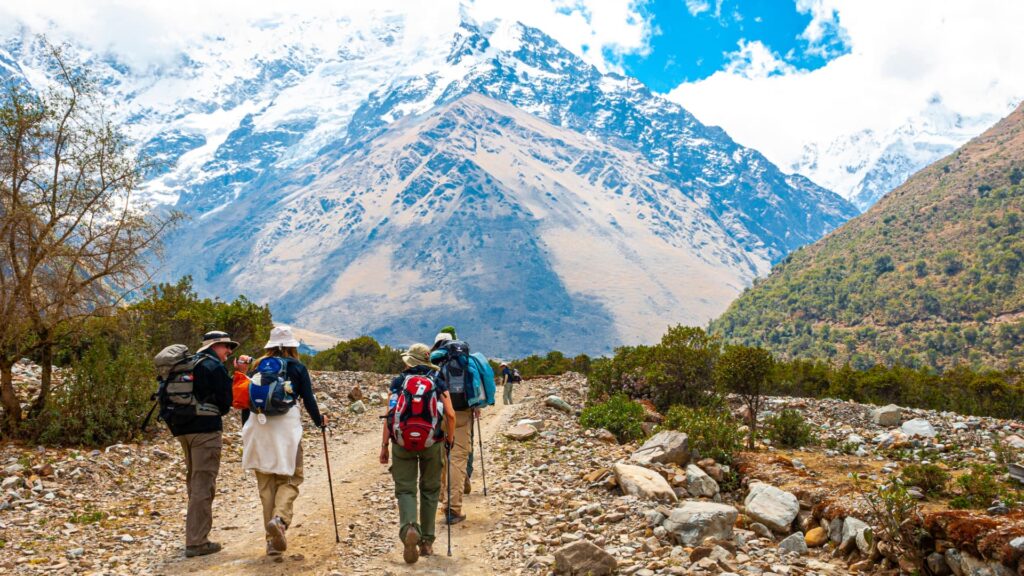
The trail design proves highly advanced engineering capabilities. Today, hikers can still spot massive retaining walls and carved stairs. Suspension bridges safely cross deep canyons and fast-flowing rivers. Additionally, these paths connect numerous ancient cities and archaeological zones. All these routes eventually meet in Cusco, the ancient imperial capital. From there, travelers can reach Machu Picchu or Lake Titicaca.
Culture, Nature, and Sustainable Travel
Adding the Qhapaq Ñan Marca Peru license opens new doors. It allows officials to promote a deeply authentic national image. PROMPERÚ highlights that this network perfectly combines nature and living communities. Because of this, activities like hiking and nature photography thrive here. This approach strongly encourages responsible tourism across the southern regions. It also directly supports local indigenous communities along the trail.
Looking Toward the Global Stage
This recognition arrives at a perfect time for the country. Currently, the network participates in a new Ibero-American Cultural Routes program. The Organization of Ibero-American States actively drives this massive regional initiative. For Peru, this represents a highly strategic opportunity for economic growth. Since six countries share this heritage, it can drive regional integration. Therefore, experts no longer view it as just a historical relic. It now acts as a tool to unite South American territories.
Protecting the Future
UNESCO added this network to the World Heritage List in 2014. Twelve years later, the Qhapaq Ñan Marca Peru badge reinforces its importance. Still, its survival requires serious conservation efforts and community participation. Researchers must continuously study the area to protect the ruins. This remains the biggest challenge for local tourism authorities today. Hopefully, the trail will help adventurers discover deep Andean traditions.