
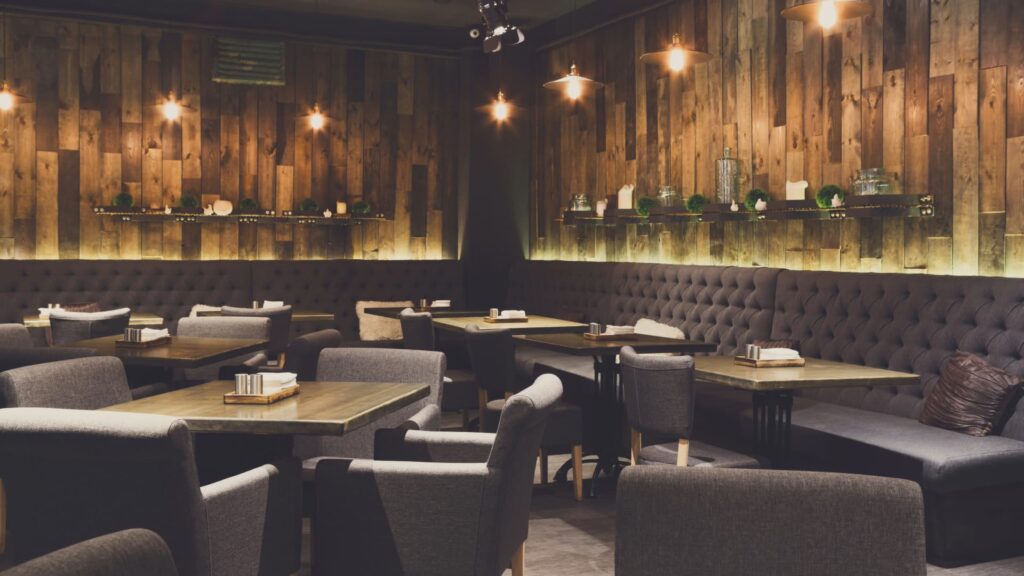

Economic indicators continue showing positive signs for local businesses. Specifically, the Peru restaurant sector growth reached 5.05% in May 2026 compared to the same month last year. The National Institute of Statistics and Informatics (INEI) officially reported this upward trend. Between January and May 2026, the entire food and beverage service industry accumulated a total increase of 5.58%. This steady rise highlights a strong consumer demand across the country.
Driving the Peru Restaurant Sector Growth
During the month analyzed, the general dining category experienced a 5.32% jump. This specific boost heavily contributed to the overall Peru restaurant sector growth. Higher customer foot traffic was noticeable in rotisserie chicken shops, fast-food chains, sandwich places, and steakhouses. Ceviche spots, international dining venues, and tourist-focused eateries also enjoyed higher sales. Several calendar events drove these numbers up, including International Hamburger Day and various local food festivals.
At the same time, coffee shops, regional food spots, ice cream parlors, and traditional Creole eateries benefited from smart marketing strategies. Many owners implemented discount campaigns, live music sessions, themed areas, and dining room renovations to attract more patrons.
Beverage Services and Catering Expand
The beverage service category surged by a remarkable 11.31% during the fifth month of 2026. Cafes, bar-restaurants, and nightclubs took full advantage of local holidays and special dates. These businesses organized live shows, brand activations, and commercial campaigns to draw crowds. Many places also offered special breakfast combos through digital platforms and specific discounts for credit card payments. You can see how this economic movement parallels other cultural boosts, like the recent free museum entry Peru program that also stimulates local commerce.
Meanwhile, the catering business saw a massive 18.48% jump compared to 2025. Both public and private sectors required more food preparation and distribution services. Companies heavily requested coffee breaks, buffet setups, box lunches, themed food stations, and customized cocktail appetizers for their corporate events.
Food Concessionaires Keep a Steady Pace
Other food service activities, like institutional concessionaires, registered a slight 0.21% increase. Food contractors successfully expanded their existing agreements and opened new branches inside large facilities. These specialized providers deliver daily meals to mining camps, manufacturing plants, banks, prisons, clinics, hospitals, and universities.
However, meals supplied directly to transportation companies faced a slight decline. Higher ticket prices resulted in fewer passengers traveling by land, which temporarily lowered the demand for onboard food options. Despite this minor setback in the transportation niche, the general trend remains incredibly positive for the entire culinary industry.

Leave a Reply