
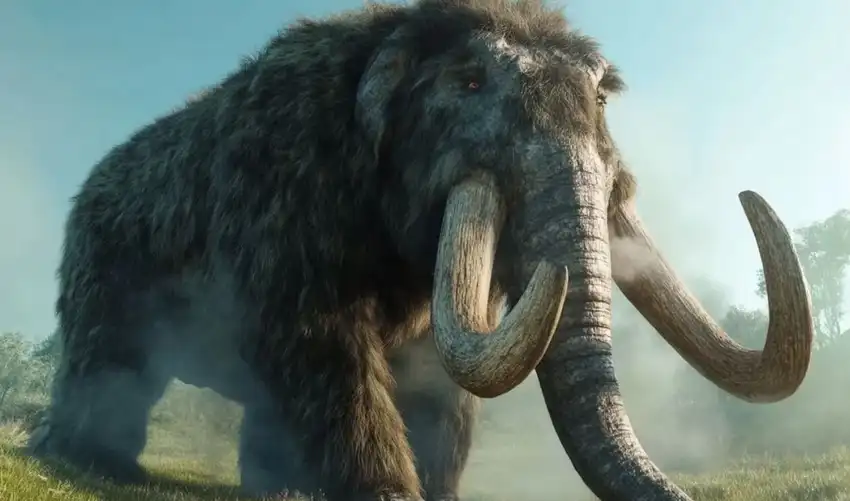

Paleontologists and local residents recovered mastodon skulls in the Chambará district of the Junín region. This Peru mastodon fossil discovery provides physical evidence regarding the prehistoric mammals that inhabited South America during the Pleistocene epoch. The findings help scientists map the exact routes these large herbivores took as they moved across the continent thousands of years ago.
Specialists from the Paleontology Department of the Geological, Mining, and Metallurgical Institute (Ingemmet) collaborated with the community for this excavation. The team identified one of the skulls as a new fossil record. This specific piece offers data for analyzing the evolution and geographic distribution of these distant relatives of modern elephants.
Workers face specific environmental challenges when digging in the high altitudes of Junín. The geological layers where these bones rest require careful handling to prevent the fossils from crumbling upon exposure to the dry Andean air.
Extraction Protocols and Bone Stabilization
Due to the high fragility of the bones, field workers apply specialized consolidants to stabilize the material. This strict scientific protocol prevents structural damage during the physical removal of the remains. Technicians brush chemical hardeners over the exposed bone surfaces, allowing the compounds to cure before attempting to lift the heavy skulls from the sediment.
This methodical approach ensures that the microscopic structures within the bone remain intact. Future researchers will rely on those intact structures to extract potential chemical isotopes and analyze the dietary habits of these animals.
South American Ice Age Megafauna
Mastodons belonged to the South American megafauna, a group of large mammals that went extinct near the end of the last Ice Age. Locating these remains in the Peruvian Andes confirms the Junín region as a primary area for tracking the movement patterns of these prehistoric species.
The altitude and geography of the Andes presented distinct environmental conditions. The presence of mastodons in this specific area indicates they adapted to high-elevation ecosystems. Researchers plan to compare these skulls with others found in lower coastal regions to check for physical differences driven by the environment.
Future Analysis and Local Impact
Once the extraction is complete, laboratory technicians will clean and analyze the skeletal remains. This process will determine the exact age of the fossils and reconstruct the environmental conditions of the area. Scientists will use geological dating methods and sediment analysis to build a clear picture of what the region looked like when these animals roamed the earth.
Local authorities anticipate that this Peru mastodon fossil discovery will generate new scientific research projects. The regional government also aims to promote educational programs in the district, turning the site into a point of interest for paleontology students and visitors.