
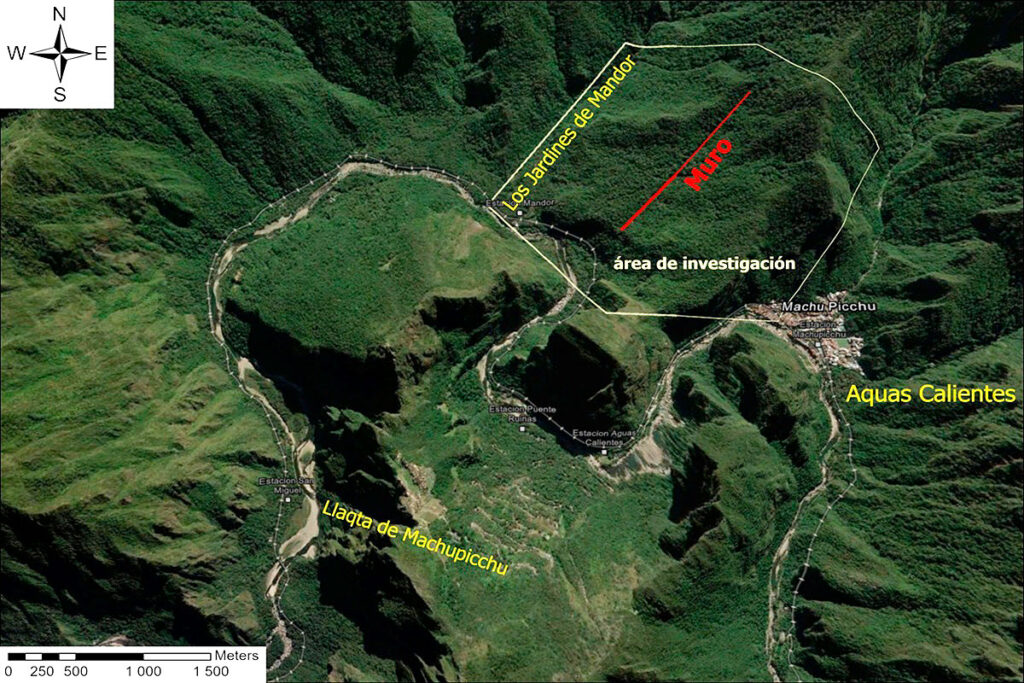

In July 2026, researchers announced groundbreaking Machu Picchu LiDAR discoveries near the famous Inca citadel. The Decentralized Directorate of Culture of Cusco reported finding over 2.5 kilometers of hidden pre-Hispanic pathways. This incredible technological achievement also revealed unseen stone platforms and agricultural terraces completely covered by the dense jungle foliage.
Uncovering the Mandor Wall Sector
The recent Machu Picchu LiDAR discoveries focus heavily on the Mandor wall sector, located east of the main sanctuary. Among the hidden structures, specialists identified a primary walking route measuring at least 1.2 kilometers long. The physical layout displays a distinct zigzag pattern, which perfectly matches traditional Inca engineering techniques.
While these physical traits strongly suggest Inca origins, scientists must conduct specific field excavations. Digging directly on the site will help them confirm the exact construction dates and the original purpose of these routes. Understanding this eastern sector will answer long-standing questions about how ancient populations organized their territory and navigated the challenging Andean geography. If you are planning to travel to the region soon, remember to check the latest updates on how the Machu Picchu train service is currently operating.
International Cooperation and Technology
Scanning the cloud forest is notoriously difficult due to extreme geographical drops and thick vegetation. However, remote sensing technology easily penetrates the green canopy. These advanced laser tools allow archaeologists to pinpoint exact locations without disturbing the natural environment. This digital mapping optimizes future fieldwork, saving both time and resources.
This successful project stems from a strict scientific agreement between local authorities and the Center for Andean Studies at the University of Warsaw. Following these initial results, cultural authorities ordered targeted physical research. Experts will now evaluate the conservation status of the stones and determine the best protective measures. Eventually, the government hopes to restore these pathways for public viewing, adding another layer of history to the world-renowned archaeological park. These continuous efforts to preserve ancient history align with other regional projects, just like the preparations for the upcoming Pope Leo XIV Cusco visit happening later this year.

Leave a Reply