
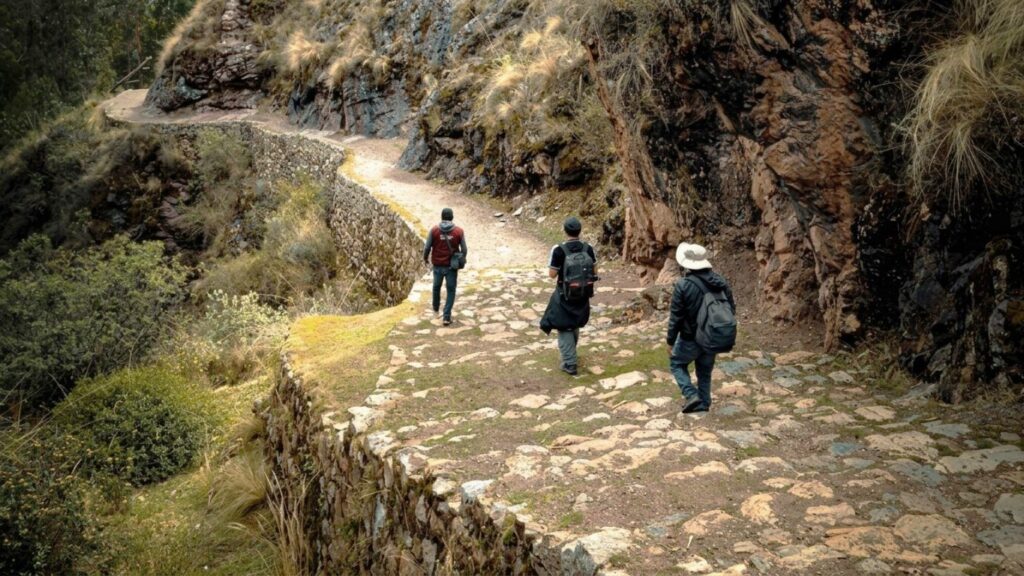

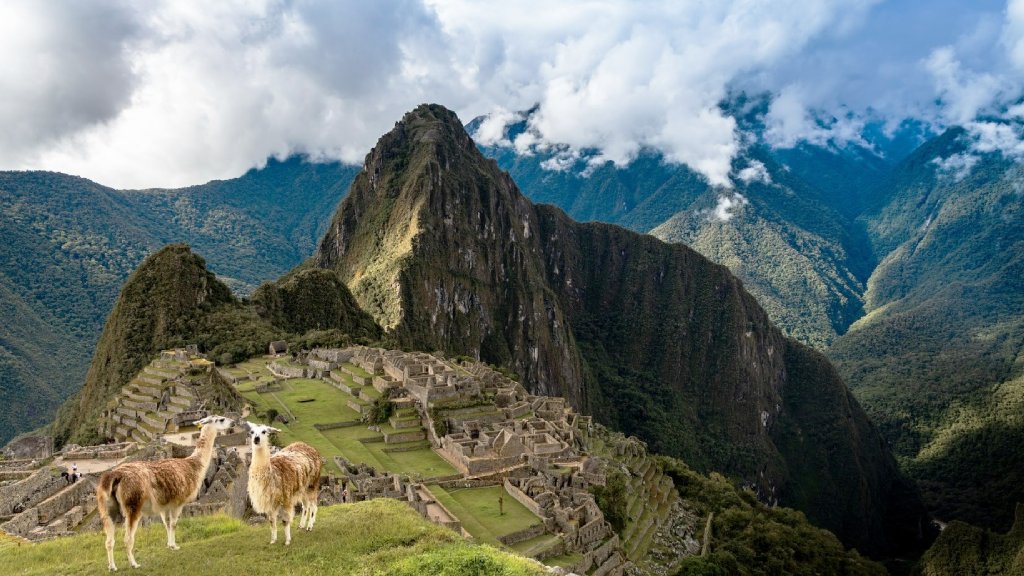
Yes, the Inca Trail is worth it if you enjoy hiking, are interested in Andean history, and want to reach Machu Picchu after several days of walking. Along the route, you’ll encounter mountain landscapes, ancient stone paths, and archaeological sites that are part of a cultural heritage much broader than the citadel itself.
To get the most out of this adventure, it’s important to understand the route’s characteristics, difficulty level, required time, and approximate budget. It’s also a good idea to book in advance and choose the best time of year for your trip.
In this guide, you’ll discover the differences between the classic four-day Inca Trail and the shorter two-day route, their prices, the best time to travel, and the alternatives available if you prefer a shorter hike.
Why Is the Inca Trail Worth Hiking?
The Inca Trail combines history, nature, and adventure. Along the way, you’ll explore ancient Andean trails, visit archaeological sites, and enjoy diverse landscapes before reaching Machu Picchu, gaining a deeper understanding of the Incas’ relationship with their land.
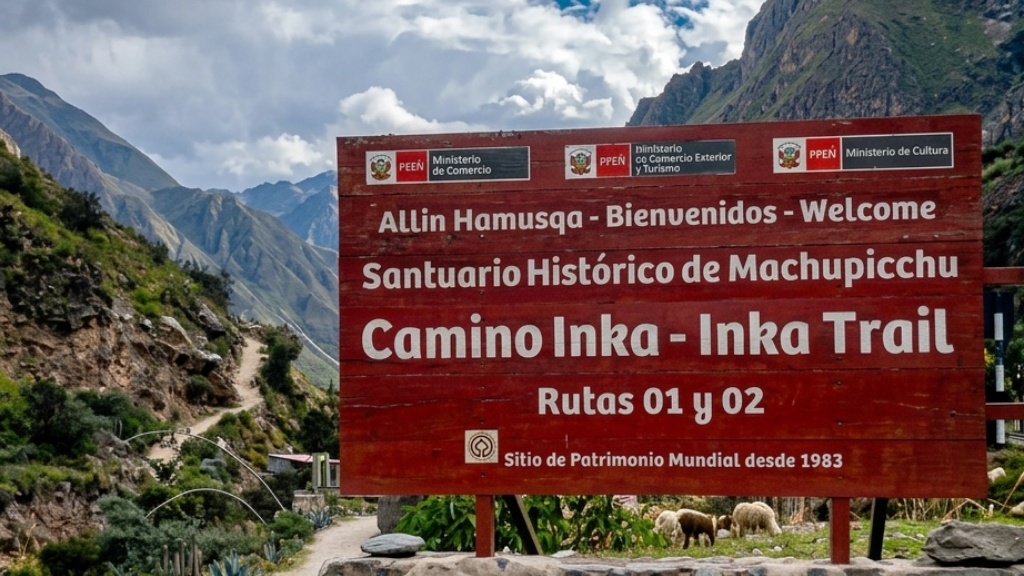
1. Hike a trail linked to Andean history
The Inca Trail follows sections of the ancient Andean road network known as the Qhapaq Ñan, which connected towns, administrative centers, agricultural areas, and ceremonial sites. This extensive network facilitated transportation, communication, and the organization of the Inca state, while also incorporating knowledge from earlier Andean cultures.
Traveling this route offers a deeper connection to the history of the Andes and helps you understand the importance of these roads in the development of the Inca Empire.
2. Explore archaeological sites along the hike
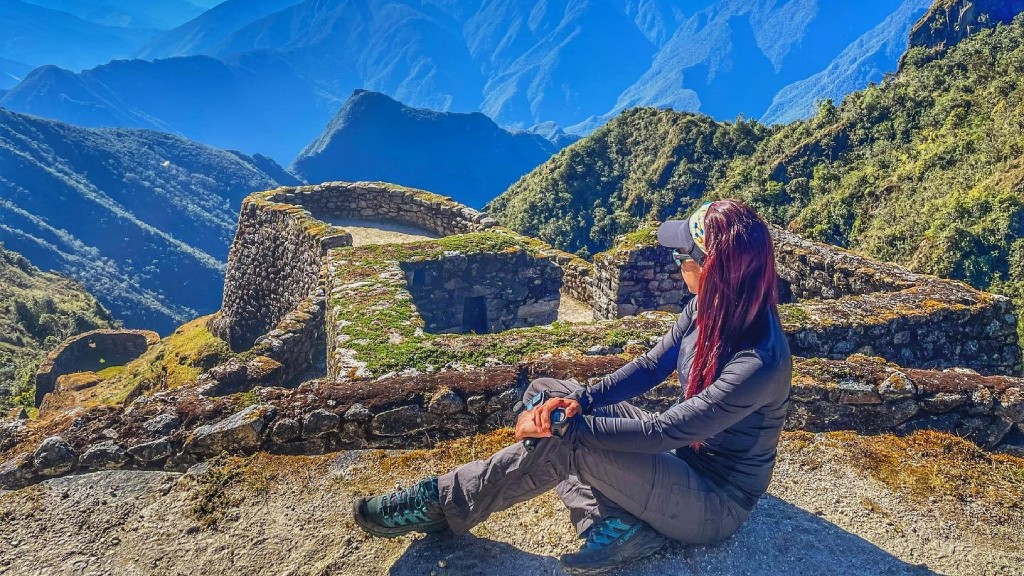
One of the attractions of the Inca Trail is that the experience isn’t limited to reaching Machu Picchu. According to the authorized itinerary, you can visit various archaeological sites featuring stone structures, terraces, stairways, and spaces integrated into the mountains.
Notable sites along the classic route include Runkurakay, Sayacmarca, Phuyupatamarca, and Wiñay Wayna. These sites help you understand that Machu Picchu was part of a broader cultural landscape, connected by roads and settlements.
3. Enjoy diverse landscapes and natural environments
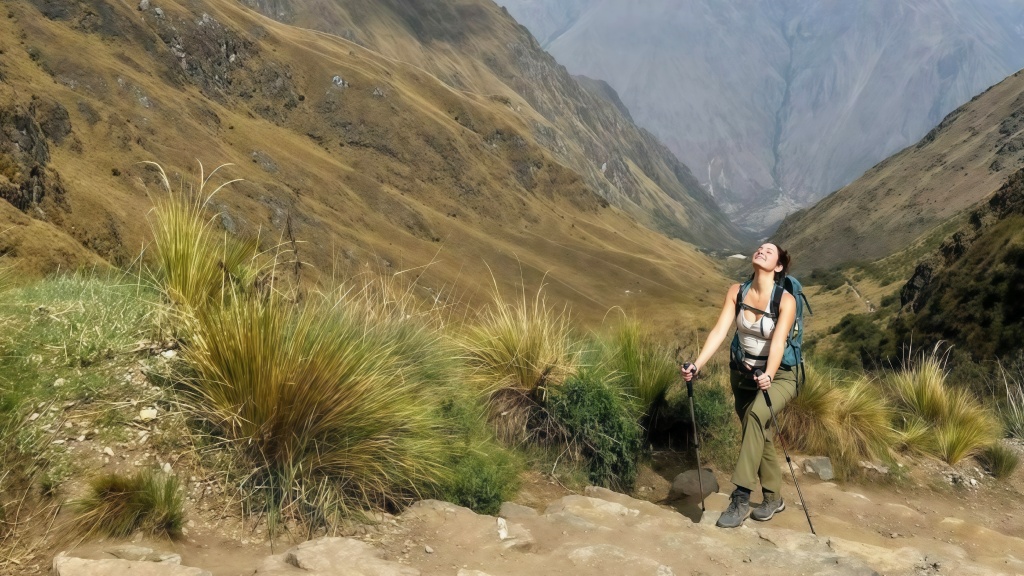
During the hike, you’ll encounter mountains, open areas, lush vegetation, and changes in elevation and climate. This diversity makes the hike an appealing experience for those who enjoy photography, nature, and outdoor activities.
Since the weather can change quickly, it’s advisable to wear layers, bring protection from rain and sun, and wear appropriate footwear. You should also stay on designated trails, leave no trash behind, and avoid taking natural items.
4. Enjoy a unique experience before reaching Machu Picchu
Unlike a visit by train, the Inca Trail makes the journey itself an essential part of the adventure. Over several days, you’ll hike along trails and up slopes, discovering landscapes and archaeological sites before reaching Machu Picchu.
This experience is ideal for travelers who enjoy hiking, history, and nature, and who have time to prepare. If you’d prefer to minimize physical exertion or have only a few days available, traveling by train and ground transportation may be a more convenient alternative.
The 4-Day or 2-Day Inca Trail: Which One to Choose?
The two best-known options available to tourists are the classic 4-day Inca Trail and the shorter 2-day route. They do not offer the same experience: the classic route allows you to hike for several days, while the shorter route reduces the trekking time.
Before booking, check the official name of the trail, the starting point, the archaeological sites included, the accommodations, and the tour itinerary for Machu Picchu.
Classic 4-Day Inca Trail
The classic itinerary is typically organized over four days and three nights. It includes several days of hiking and, generally, overnight stays in camps along the route.
It’s an appealing option for those who want to spend more time hiking and explore different sections of the historic trail.
One of its most challenging sections is the Warmiwañusca Pass, located at approximately 4,200 meters (13,780 feet) above sea level. The altitude, the ascents, the descents, and accumulated fatigue can make this day particularly difficult.
Who is it recommended for?
- People who enjoy multi-day hikes.
- Travelers with enough time to prepare and acclimate.
- People who want to explore different archaeological sites along the route.
- Those who are willing to tackle the altitude, the steep slopes, and camping accommodations.
Short 2-Day Inca Trail
The short route is an option for those with less time or who prefer a shorter hike.
One of the official routes is Route 5, which begins in Chachabamba, continues toward Wiñay Wayna, and ends at Machu Picchu. Make sure this is the itinerary included in the package you plan to book, as the commercial name and services may vary.
Although it requires fewer days of hiking than the classic route, it shouldn’t automatically be considered easy. It may include stairs, slopes, uneven terrain, and exposure to high altitudes.
Who is it recommended for?
- Travelers with a tight schedule.
- People who want to combine hiking and archaeology without dedicating four days to the trek.
- Visitors who prefer a shorter trekking experience.
Before booking, ask if the package includes lodging, return transportation, a guide, admission tickets, the Machu Picchu circuit, and any additional services you may need.
Differences Between the 4-Day and 2-Day Inca Trail
| Overview | 4-Day Inca Trail | 2-Day Inca Trail |
| Duration | Four days and three nights, typically | Two days, depending on the package booked |
| Type of Experience | Multi-day trek | Shorter hike |
| Physical Demand | Longer duration and cumulative effort | Shorter duration, but requires walking |
| Accommodations | Typically campsites along the route | May include a hotel, depending on the package |
| Itinerary | Longer stretches and several archaeological sites | A shorter section; check which sites are included |
| Travel Time | Requires more available days | Better suited for short itineraries |
| Traveler Profile | Trekking and history enthusiasts | Travelers with less time available |
Note: Exact conditions depend on the authorized route, availability, and the package booked. Don’t rely solely on the advertised duration compare the full itinerary.
How much does it cost to hike the Inca Trail?
The price depends on the duration, the services included, the group size, the logistics, and the booking conditions. There is no single standard rate that applies to all agencies and packages.
To compare offers fairly, check what each one includes and what expenses you’ll have to cover separately. A low initial price doesn’t necessarily mean the lowest total cost.
What should be included in the price of the Inca Trail?
Request a written quote and check the following components:
- Permits and tickets: Confirm which permits and tickets are included for your route.
- Guide: Verify whether a guide service is included and how it is organized.
- Transportation: Check for transfers from Cusco to the starting point and back.
- Meals: Check which meals are included during the trek.
- Lodging and camping: Confirm the type of lodging and the equipment provided by the operator.
- Visit to Machu Picchu: Ask what access and tour route are included and whether you’ll need any additional services.
- Return services: Verify whether the train, bus, or other transfers are included in the final price.
Don’t assume that all packages include these services. The terms and conditions must be clear before you pay.
What additional expenses should you consider?
In addition to the tour, consider expenses such as lodging in Cusco, clothing and personal gear, beverages, snacks, tips when applicable, and services not included in the quote.
If you need to buy hiking boots, a backpack, or waterproof clothing, factor those costs into your budget and set aside an additional amount for potential unforeseen expenses.
To choose the best option, request two or three quotes for the same itinerary and compare the included services, price, and quality of each proposal.
How to Choose an Inca Trail Tour Operator?
Before booking, check the following:
- Operator’s authorization and details: Verify that the operator is licensed to provide the corresponding service.
- Detailed itinerary: Ask for the starting point, the number of hiking days, and the sites included.
- Safety: Ask about emergency procedures, communication along the route, and traveler support.
- Booking conditions: Review payment terms, cancellation policies, rescheduling options, and what happens if authorities close a route.
- Transparency: Request a written list of included services and any expenses you’ll have to pay separately.
How difficult is the Inca Trail?
The classic Inca Trail requires a reasonable level of physical fitness. For several days, you’ll have to hike along mountain trails, climb up and down stone stairs, and adapt to changes in altitude and weather.
The short route reduces the duration, but it may also include slopes and stairs. The difficulty depends on the itinerary, walking pace, acclimatization, and each person’s physical condition.
The main challenges are:
- Altitude: Some areas exceed 4,000 meters (13,123 feet) above sea level.
- Stairs and slopes: Ascents and descents can tire your legs.
- Accumulated fatigue: On the classic route, the effort of one day affects the next.
- Changing weather: You may encounter cold, rain, intense sun, and temperature fluctuations.
- Uneven terrain: You must walk carefully, especially when the rocks are wet.
How to prepare physically?
Train for several weeks before your trip with progressive hikes, inclines, and endurance exercises. Practice wearing the shoes and backpack you’ll be using on the trail.
If you’re coming from a low altitude area, spend a few days in Cusco to help with acclimatization, although this doesn’t eliminate the risk of altitude sickness. If you have concerns about your physical condition, consult a healthcare professional before traveling.
When is the best time to hike the Inca Trail?
Inca Trail during the dry season: April through October
Between April and October, there is typically less rain, making this a popular time to hike the Inca Trail and visit its archaeological sites.
May, June, July, and August tend to be drier, although there is also higher tourist demand. For this reason, it’s advisable to reserve permits in advance. Remember to pack layers, sunscreen, and a waterproof jacket, as nights can be cold and the weather is changeable.
The Inca Trail during the rainy season: November through March
Between November and March, rainfall increases in Cusco, so some sections may be muddy, damp, or have slippery rocks. However, the vegetation is usually greener, and the landscape takes on a special charm.
If you’re traveling during this time, bring waterproof clothing, shoes with good traction, and a dry change of clothes. Follow your guide’s instructions and check trail conditions before setting out.
Can you hike the Inca Trail in February?
The Inca Trail Network is usually closed in February for maintenance and conservation work. If you plan to hike the trail, it’s important to take this closure into account when planning your trip.
In addition, heavy rains and landslides can affect safety and access to certain sections. Therefore, check the official announcements from SERNANP to confirm closure dates, reopening dates, and trail conditions before booking.
How far in advance should you book?
Start checking availability as soon as you’ve set your dates. Permits are limited, and availability depends on the route, the season, and demand.
Check the official booking calendar and confirm with the operator what steps you need to take. Before purchasing flights, hotels, or other non refundable services, review the permit conditions, payment terms, and cancellation policies.
If you can’t find availability for your desired dates, ask about other dates or consider an alternative that fits your itinerary.
Tips for Preparing for the Inca Trail
Before starting the hike, keep these recommendations in mind:
- Plan your trip in advance: Check the trail’s availability and booking conditions before committing to other expenses.
- Train before you travel: Practice progressive hikes and climbs to get used to the physical exertion.
- Acclimatize to the altitude: Avoid starting the trek immediately after arriving from a low-altitude area.
- Dress in layers: You’ll need to adapt to the cold, the sun, and the possibility of rain.
- Wear broken-in footwear: Don’t wear brand-new boots on the trek.
- Check the included equipment: Confirm which items the tour operator provides and which you must bring.
- Book through an authorized service provider: Verify the itinerary details, services, and safety procedures.
- Respect the natural and archaeological heritage: Do not leave trash behind, stay on the designated trails, and follow the instructions of the trail guides.
Good preparation does not eliminate all unforeseen events, but it helps you enjoy the experience with greater safety and peace of mind.
Frequently Asked Questions About the Inca Trail
Is the Inca Trail very difficult?
The difficulty depends on the duration, altitude, terrain, and your physical condition. The classic route requires endurance for several days of hiking, while the short route is shorter but also includes steep slopes and stairs. Training and acclimatizing in advance can help you prepare.
Is it necessary to hire a tour agency to hike the Inca Trail?
Access to the Inca Trail Network is subject to official regulations and current reservation and tourism operation requirements. Before organizing your hike, check the information from the Ministry of Culture and SERNANP and confirm that the tour operator is authorized to provide the corresponding service.
Can you hike the Inca Trail without any trekking experience?
Some people with no prior experience can prepare for a route suited to their abilities, but they should not underestimate the altitude, the stairs, or the cumulative physical exertion. Train in advance, wear well broken in shoes, and choose an itinerary based on your physical condition.
Does the Inca Trail include admission to Machu Picchu?
It depends on the route and the package you’ve booked. Before booking, confirm in writing which permits and access are included, which tour route applies, and whether you need to arrange or pay for any additional services.
What happens if I can’t get permits for the dates I want?
You can check other dates, see if a shorter route is available, or consider another way to visit Machu Picchu. If you’ve already booked flights or hotels, check the change policies before modifying the rest of your trip.
Are there alternatives to the Inca Trail?
Yes. You can visit Machu Picchu using the available transportation options, usually combining train and ground transportation depending on the itinerary. There are also other hiking trails in the region, but they have different requirements, durations, and conditions. Check their access rules and don’t assume they work the same way as the Inca Trail.
So, Is the Inca Trail Worth It?
Yes, the Inca Trail is worth it if you enjoy hiking, are interested in Andean history, and want to have a unique experience before arriving at Machu Picchu. Its landscapes, archaeological sites, and historic trails make the journey much more than just a visit to the citadel.
The best option will depend on your time, budget, and physical condition. The classic route is ideal for those looking for a multi-day hike, while the short route is better suited for those with less time. If you’d rather avoid the trek, you can opt for the train.
Before booking, check permit availability and compare the services included.
Are you planning your visit to Machu Picchu? With Qosqo Expeditions, you can explore Inca Trail options and compare itineraries to choose the experience that best fits your dates and expectations.