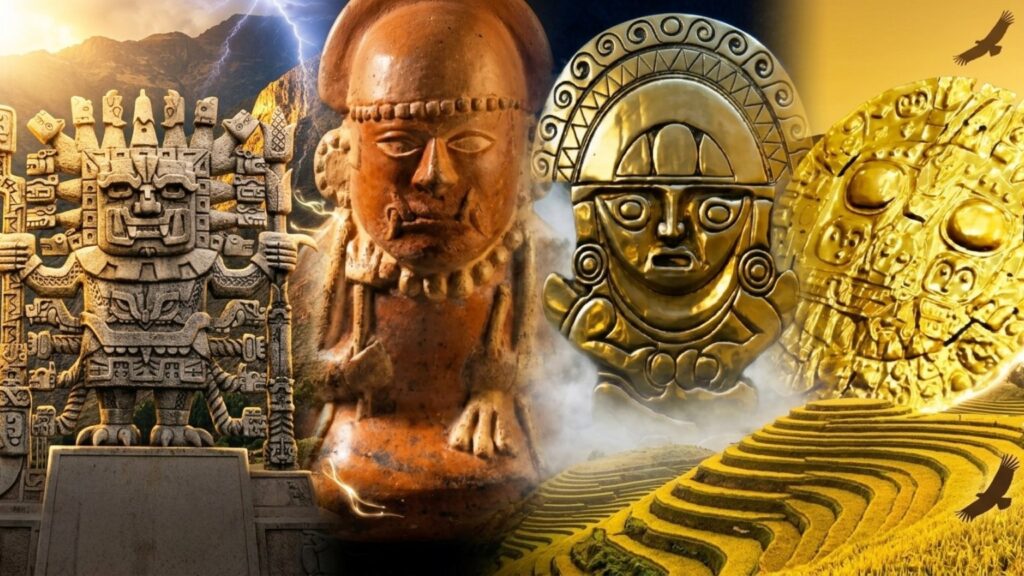

The Inca gods were deities and sacred forces associated with creation, the Sun, the Moon, the earth, water, and other elements essential to life. In the Tahuantinsuyo, religion influenced public ceremonies, agriculture, the organization of time, and the authority of rulers.
Among the principal Inca deities were Viracocha, associated with creation; Inti, the Sun God; Mama Quilla, linked to the Moon; Pachamama, associated with the earth and fertility; and Illapa, associated with thunder and rain. There were also figures linked to the sea, the rainbow, and celestial bodies, as well as places and natural elements considered sacred.
To understand this religion, it is important to remember that the Andean world did not have a single list of gods shared in the same way by all communities. The Incas incorporated beliefs from different peoples and coexisted with regional religious traditions.
Who were the gods of the Incas?
The gods of the Incas were divine beings to whom people attributed powers related to creation, natural phenomena, and various aspects of human life. For example, their roles could involve the stars, rain, the earth, water, and the order of the universe.
Religion was an integral part of political and social life in the Tahuantinsuyo. Religious ceremonies could bring entire communities together and, at the state level, reinforced the ruler’s authority. Temples, shrines, and other sacred sites were important places for performing rituals and presenting offerings.
It is important to note that much of the available information comes from colonial chronicles, archaeological research, and subsequent historical studies. Since these sources do not always agree, readers should distinguish between documented facts and interpretations of each deity’s meaning.
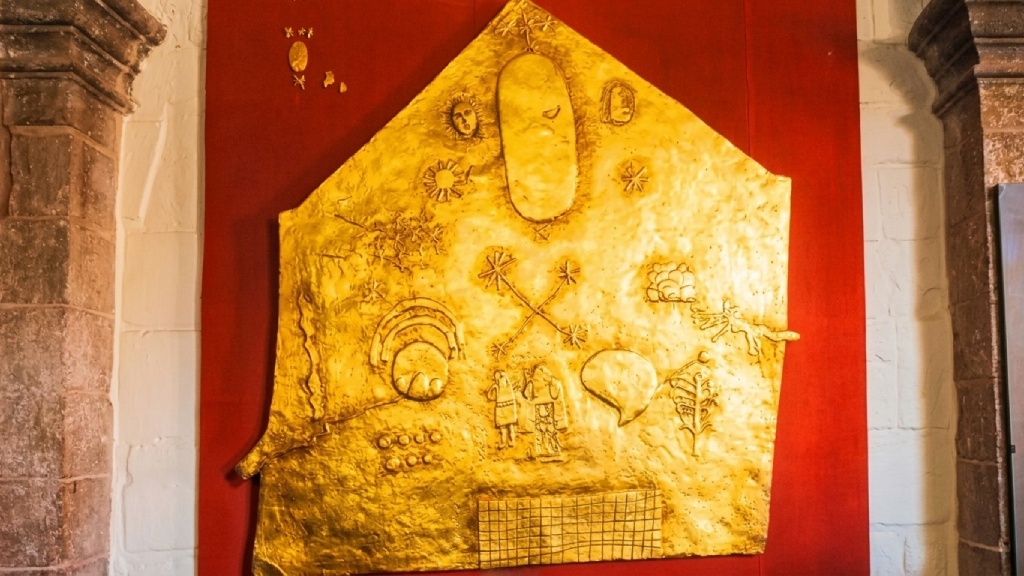
Who were the main Inca gods?
1. Viracocha: the creator god
Viracocha, also spelled Wiracocha or Wiraqucha, is one of the best-known figures in Andean creation myths. Colonial chroniclers linked him to the origin of the world and its inhabitants.
However, the stories about Viracocha are not identical across all sources. Some versions describe how he creates or transforms the world and establishes order among its inhabitants. These differences, in turn, show that Andean traditions included various ways of explaining the origin of the universe.
What did Viracocha represent? He was primarily associated with the creation and order of the world. For this reason, his figure is important for understanding religious explanations of the origin of life in the Andes.
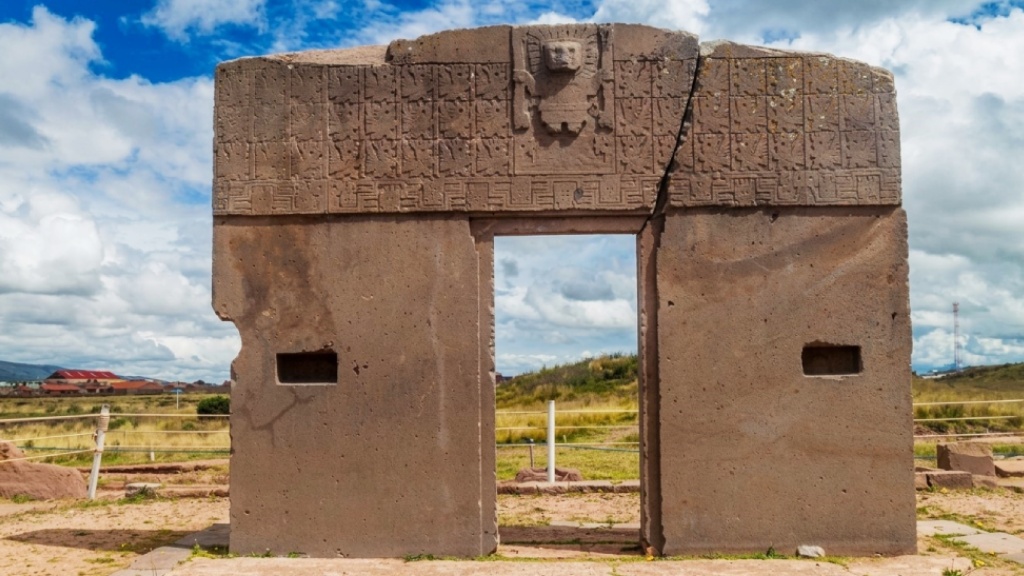
2. Inti: the Sun God
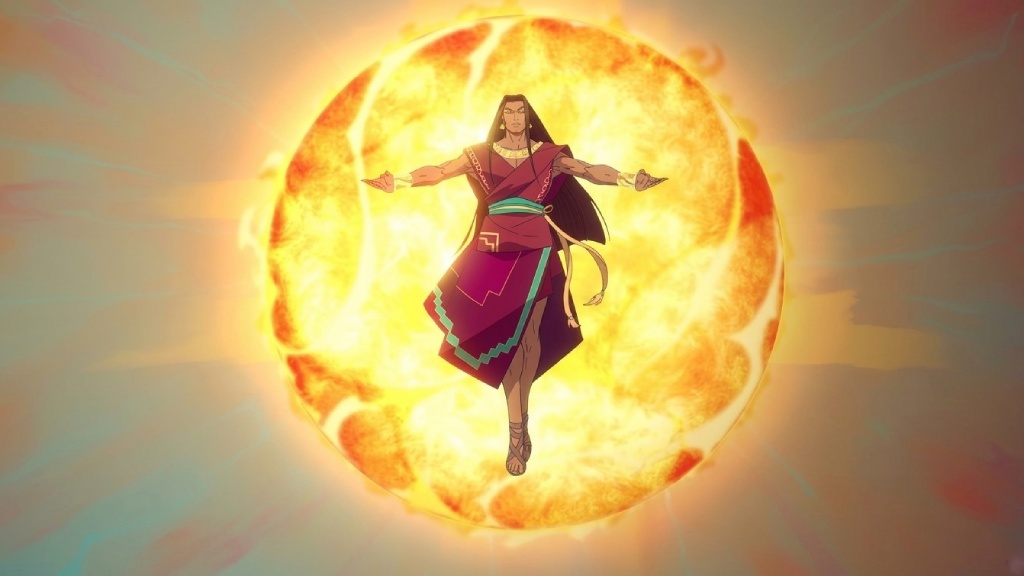
Inti was the Sun God and one of the principal deities of the official Inca state religion. Solar light and heat were essential for agriculture, so the Sun held both practical and religious significance.
In addition, the Incas connected their ruler’s authority to Inti. State tradition portrayed the ruler as a descendant of this deity, which helped legitimize his political and religious power.
Inti also played an important role in Inti Raymi, a celebration of religious and political significance in the Inca calendar. Through this celebration, the Incas honored the Sun and recognized its importance within their religious traditions.
What did Inti represent? The Sun, light, and its importance for agriculture, life, and the ruler’s authority.
3. Mama Quilla: The Goddess of the Moon
Mama Quilla, also known as Mama Killa, was associated with the Moon and held an important place in the Inca religion. Her figure complemented the importance of the Sun within the symbolic organization of the world.
Observing the Moon allowed people to recognize regular cycles in the sky. For this reason, Mama Quilla was associated with the measurement of time and with certain aspects of the ceremonial calendar.
What did Mama Quilla represent? The Moon and its importance in the organization of time and religious beliefs.
4. Pachamama: Mother Earth
Pachamama is one of the best-known figures in Andean spirituality. People often interpret her name as Mother Earth. More broadly, Andean traditions connect her with the soil, fertility, agriculture, and the continuity of life.
For agricultural communities, the land was essential for growing crops such as potatoes and corn. Consequently, ritual practices related to Pachamama expressed respect and reciprocity toward the environment on which these communities depended.
What did Pachamama represent? The earth, fertility, and the reciprocal relationship between people and the environment.
5. Illapa: The Deity of Thunder and Rain
Illapa was associated with thunder, lightning, and storms. His importance is best understood when we consider that many Andean communities depended on rainfall to carry out their agricultural activities.
A lack of water could affect harvests, while intense storms also posed risks. For this reason, atmospheric phenomena played a major role in religious beliefs.
What did Illapa represent? Thunder, lightning, and rain phenomena related to natural cycles and agriculture.
6. Mama Cocha: The Deity of the Waters
Mama Cocha, whose name is commonly interpreted as “Mother of the Sea” or “Mother of the Waters,” is associated with water in Andean traditions. She is particularly linked to the sea, although interpretations of her domain may vary.
Water was essential to the life of these communities: it enabled them to farm, supply their populations, and care for their animals. In coastal regions, moreover, the sea served as a source of food and played a significant role in the economic and cultural landscape.
What did Mama Cocha represent? The sacred importance of water and, especially, the sea within certain Andean traditions.
7. Pachacámac: A Deity Worshiped on the Coast
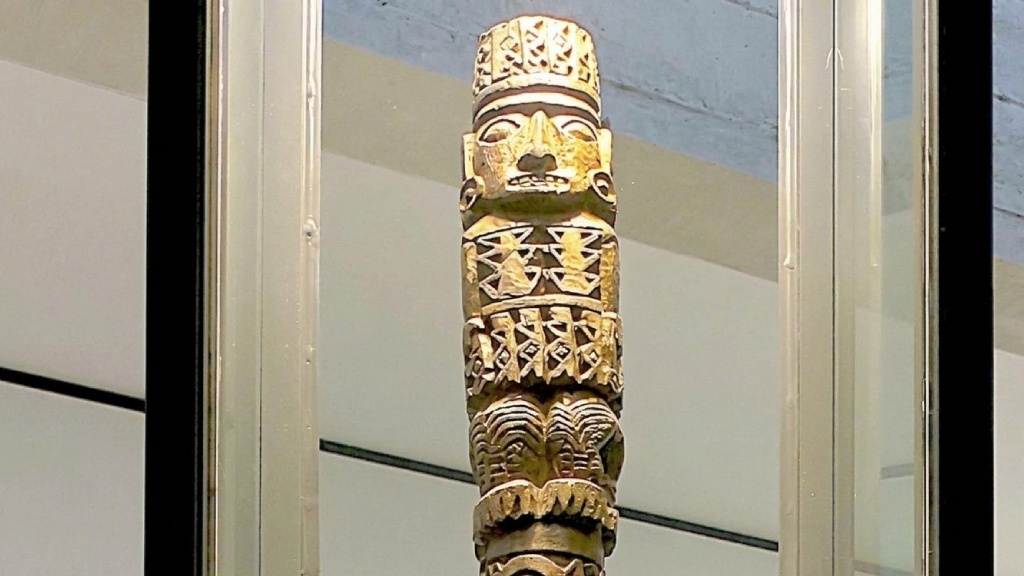
Pachacámac was a deity of great importance on the central coast of present day Peru. His main sanctuary, which bears the same name, is located south of Lima and was a significant religious and oracular center before the Inca expansion.
His cult existed before the Incas extended their rule over the region and was later incorporated into the Empire’s religious world. Historical sources associate him with creation and with the forces of the earth, although his attributes vary depending on the traditions and accounts consulted.
Pachacámac demonstrates that the religion of the Tahuantinsuyo was not limited to deities associated with Cusco: it also incorporated religious figures venerated in other territories.
What did Pachacámac represent? A deity of great regional importance, associated with sacred power and creation myths.
8. Supay: Lord of the Ukhu Pacha
Supay was a figure in the Andean worldview related to the Ukhu Pacha, the inner or underground world, associated with the dead and the forces that dwelled beneath the earth. His significance was complex and should not be interpreted solely as an evil figure, since his image changed with the arrival of the Spanish and the influence of Christianity.
In some interpretations, Supay was also linked to the mineral riches found deep within the earth, such as gold and silver.
What did Supay represent? The underworld, death, and the mysterious forces of the earth within certain Andean traditions.
9. Kuychi: The Rainbow
Kuychi, also spelled Cuichu in some sources, is associated with the rainbow in Inca religion. Historical references depict him as a celestial figure whose meaning was not always favorable; in some interpretations, the rainbow could be considered an ominous sign.
What did Kuychi represent? The rainbow and its meaning within certain Andean religious interpretations.
10. Chaska: The Stars
Chaska was a figure associated with the stars and the observation of the sky in the Andean worldview. The Incas paid special attention to the stars, as their movements helped them interpret natural cycles and organize agricultural activities. The stars also held religious and symbolic significance within their beliefs.
What did Chaska represent? The stars and their importance in sky observation, agricultural cycles, and Andean religious beliefs.
Table of Inca Gods and Their Meanings
The following table summarizes the main deities and sacred figures of Inca culture, their associations, and their importance within the Andean worldview.
| Deity or Figure | Main Association | Cultural Importance |
| Viracocha | Creation and order of the world | Stories about the origin of the universe |
| Inti | Sun | Sun worship and the authority of the Inca |
| Mama Quilla | Moon | Calendar and symbolic organization of time |
| Pachamama | Earth and fertility | Agriculture and reciprocity with the environment |
| Illapa | Thunder, lightning, and rain | Atmospheric phenomena and agricultural production |
| Mama Cocha | Sea and Waters | The Importance of Water for Life |
| Pachacámac | Deity Worshiped on the Central Coast | Sanctuary and Oracle of Regional Importance |
| Supay | The Underworld and the Dead, According to Some Sources | Traditions That Changed Over Time |
| Kuychi | Rainbow | Celestial Figure of Variable Meaning |
| Chaska | The Stars | Observation and Interpretation of the Sky |
How did the Incas worship their gods?
The Incas practiced their religion through ceremonies, rituals, and offerings at temples, plazas, shrines, and other sacred sites. Through these activities, communities gave thanks for the resources they received, asked for protection, sought bountiful harvests, and honored the deities.
Rituals, Ceremonies, and Offerings
Offerings could include food, beverages such as chicha, textiles, and other valuable goods. In this way, communities expressed reciprocity with sacred forces and strengthened the bonds among their members.
Animal sacrifices also formed part of religious practices. According to some historical sources, people performed human sacrifices on specific occasions as well. However, ceremonies varied depending on the deity, the region, and the traditions of each community.
Frequently Asked Questions About the Inca Gods
Who was the chief god of the Incas?
Inti, the Sun God, was one of the principal deities in the official religion of the Inca state. Viracocha also played a prominent role in creation myths. The importance of each figure depended on the religious and regional context.
Who was the creator god of the Incas?
Viracocha is one of the best known deities due to his association with creation and the order of the world. Accounts of his role come from different traditions and historical sources, so not all describe his actions in the same way.
Were Inti and Viracocha the same god?
They should not automatically be considered the same deity. Inti was associated with the Sun, while Viracocha was linked to creation in numerous accounts. Some sources draw connections between these figures, but their roles are not identical across all traditions.
How many gods did the Incas have?
There is no single, definitive number. The Inca religion included various deities, sacred beings, and huacas, and it also incorporated traditions from the peoples who were part of the Tahuantinsuyo. Therefore, it is more accurate to speak of a diverse set of beliefs than of a fixed number of gods.
What is the difference between a god, a huaca, and an apu?
A god is a deity to whom sacred powers or functions are attributed. A huaca can be a place, object, or natural feature considered sacred. An apu is a mountain or guardian entity of special importance in various Andean traditions. These concepts are related, but they do not mean exactly the same thing.
The Legacy of the Inca Gods in Andean Culture
The Inca gods offer insight into a worldview in which nature, society, agriculture, and political power were closely interconnected. Inti, Viracocha, Pachamama, Mama Quilla, and Illapa represent some of the best known figures in a diverse and complex religious tradition.
If you’re planning a trip to Cusco, learning about these beliefs before visiting its archaeological sites can enrich your experience and help you better understand the history of the Inca civilization.
Planning a trip to Cusco? Explore the legacy of the Inca civilization with our 5-Day Cusco & Machu Picchu Tour. Visit Qorikancha, discover the impressive ruins of Sacsayhuamán, and experience the history and traditions of the Andes with Qosqo Expeditions.