
Qhapaq Ñan Protection in Cusco: Two Crucial Inca Trail Sections Secured
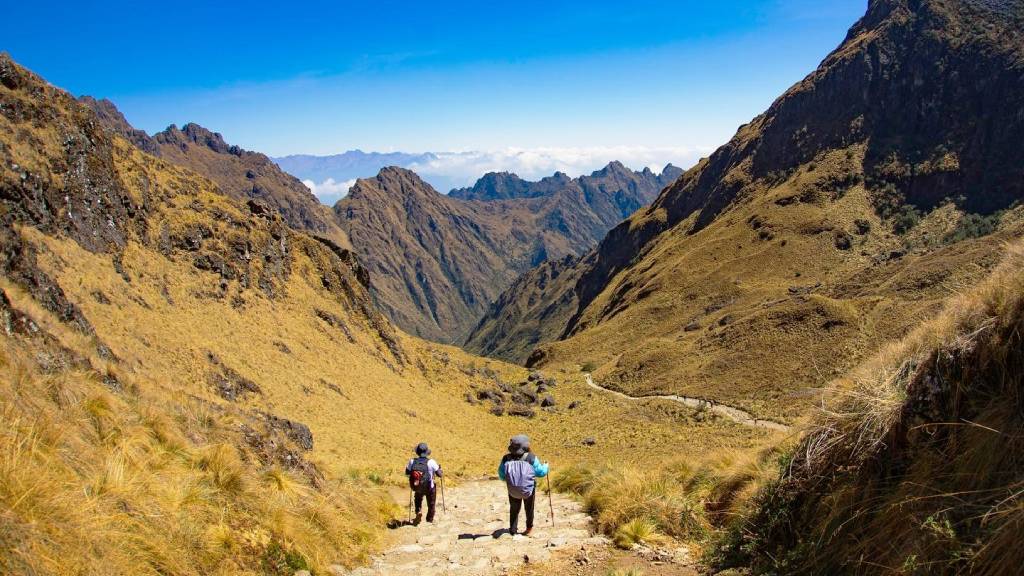
The Ministry of Culture enacted urgent measures to ensure Qhapaq Ñan protection in Cusco and surrounding valleys. Specifically, the Decentralized Directorate of Culture of Cusco established a two-year provisional protection status for two vulnerable sections. Consequently, this formal decree halts immediate human disturbances and safeguards ancestral road networks across the region.
Immediate Action on the P’aclachapata-Mosoqllaqta Route
Published in the official gazette El Peruano, the first resolution covers the P’aclachapata-Mosoqllaqta road. This historic path is located right within the district, province, and department of Cusco. Authorities designated a provisional protection period of two years, extendable for an identical duration.
To avoid further structural deterioration, regional conservation teams established strict preventive rules:
- Halting Trench Excavations: Stopping all unauthorized digging along the stone pavement of the road.
- Banning Mountain Biking: Prohibiting recreational cycling directly along ancient trail stones to reduce surface erosion.
- Installing Warning Signage: Placing informative panels to educate the public and clearly outline restricted activities.
These emergency conservation actions align with ongoing efforts to protect southern cultural landmarks and support sustainable Cusco tourism growth.
Safeguarding the Laja Siete Tinajas-Llaqtapata Corridor
The second intervention covers the Laja Siete Tinajas-Llaqtapata section in the Yanatile district of Calca. This remote highland sector also receives two years of provisional state protection. In this zone, authorities prohibited agricultural work inside the stone precincts of the Llaqtapata archaeological site.
Specialized crews will reinforce unstable walls, clear invasive shrubs, and install educational boundary signage. Several cultural offices lead these fieldwork tasks, including the Pre-Hispanic Real Estate Heritage Sub-Unit, the Archaeological Parks team, and the Qhapaq Ñan Working Group. To explore related national heritage policies, visit the Ministry of Culture official portal. Ultimately, these targeted actions preserve vital pre-Columbian road networks for future generations.