Lima's Historic Heart
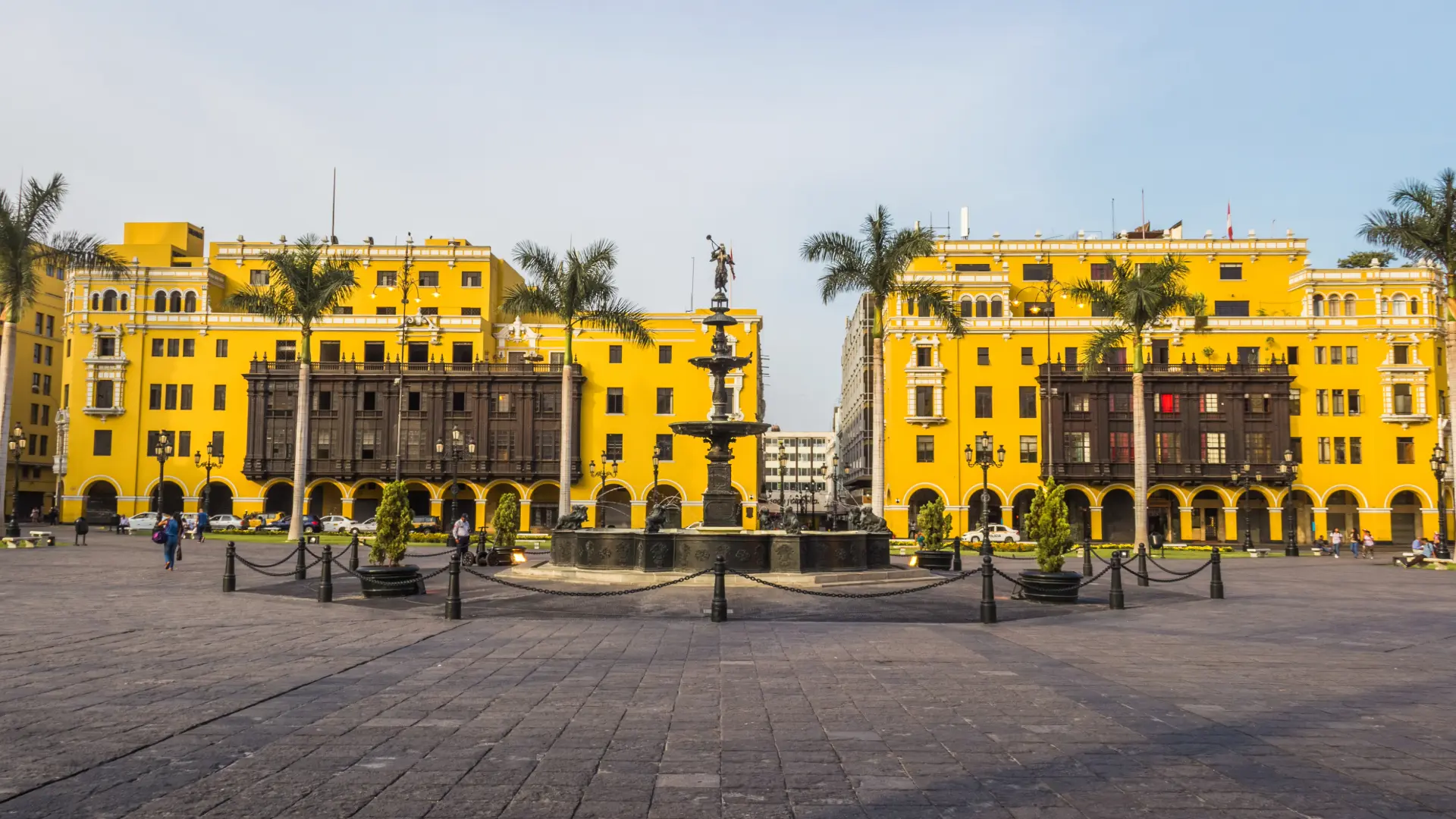
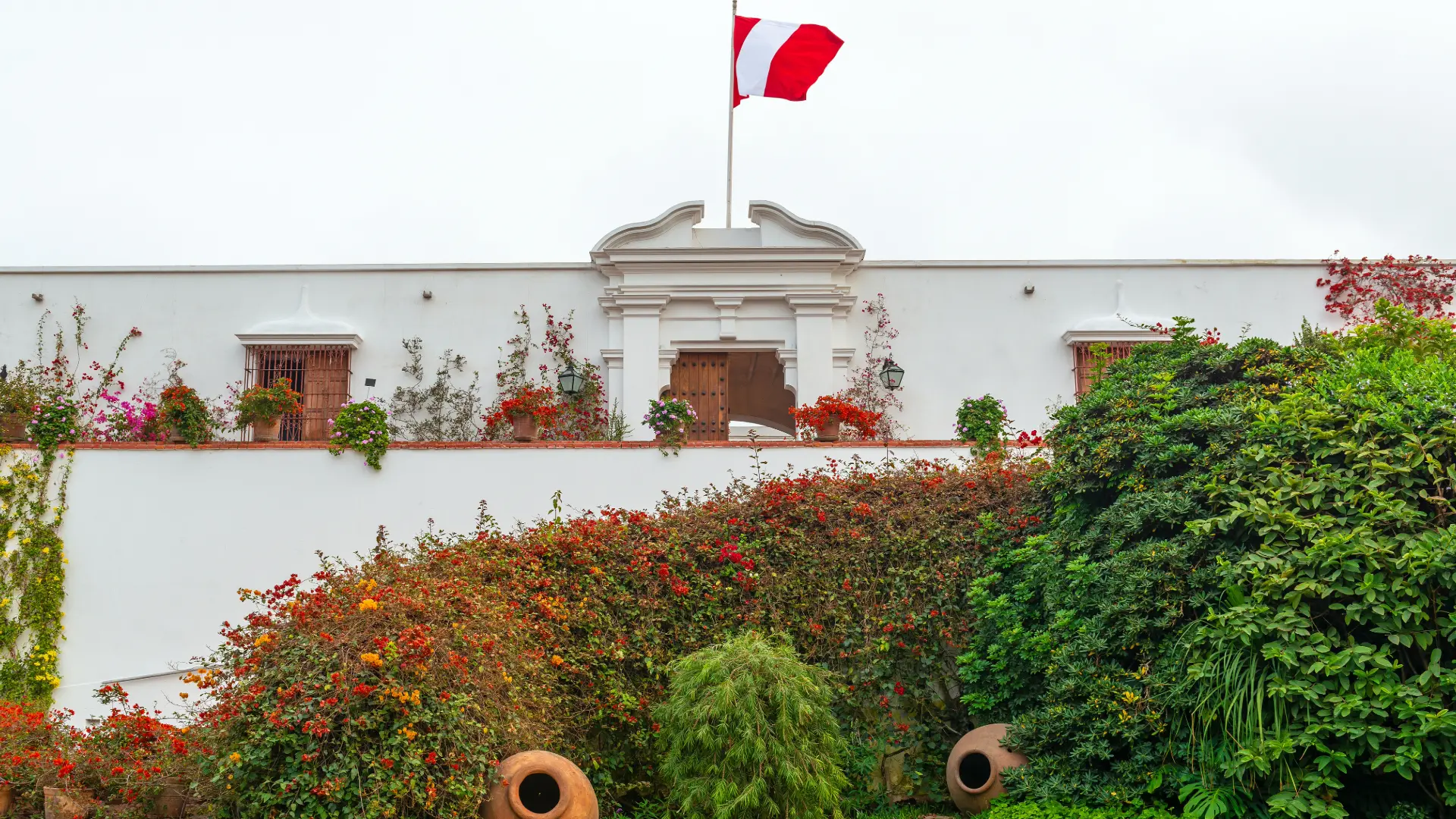
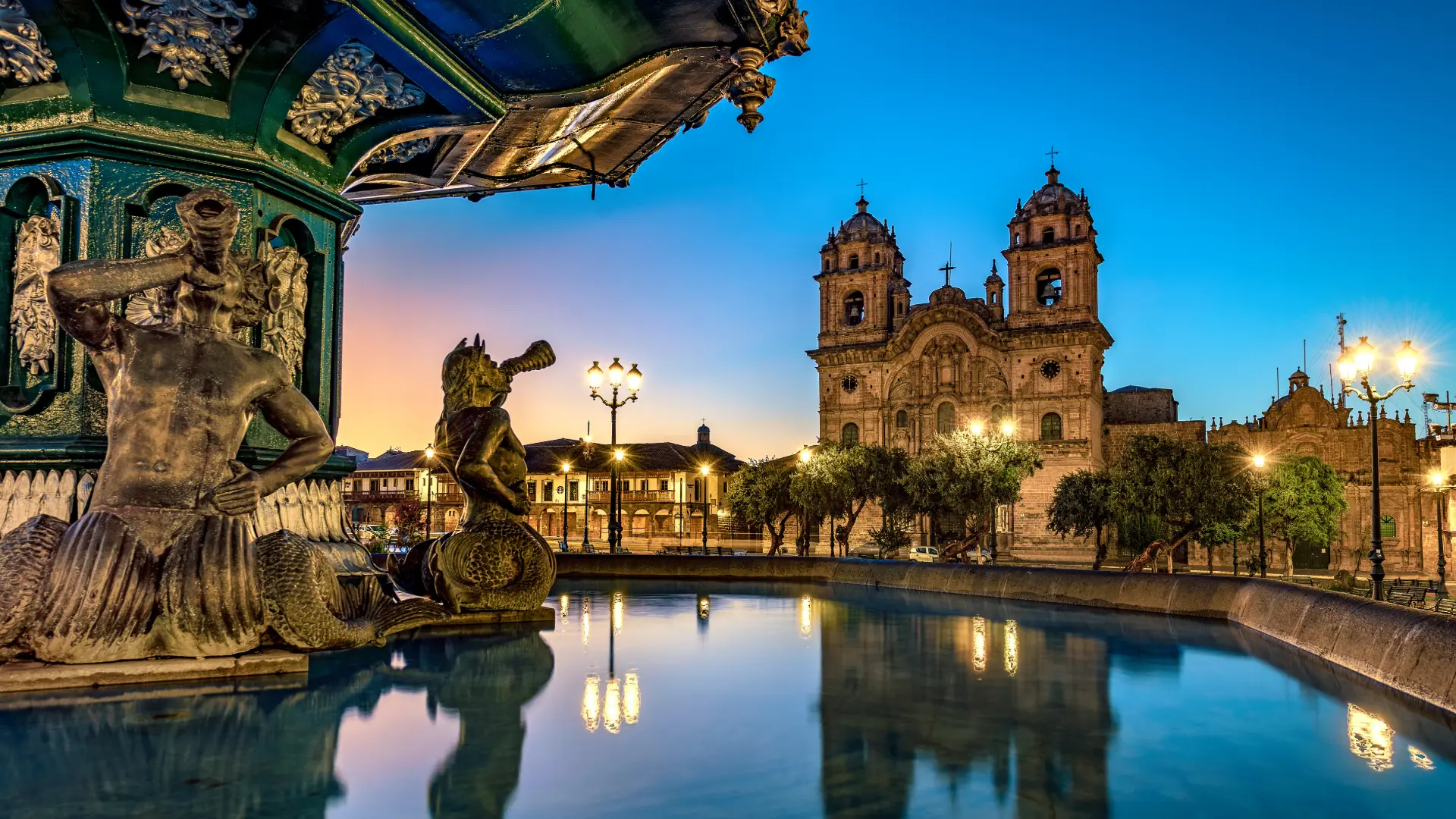
Stand in Lima's Plaza de Armas, the very spot where Francisco Pizarro founded the City of Kings in 1535. Its central bronze fountain is over 460 years old. Nearby, the Larco Museum offers a unique glimpse into the past, not just with its vast ceramics collection, but with its famous Moche "erotic pottery." This fascinating exhibit reveals the surprisingly open social customs of ancient Peruvian cultures, providing a narrative that spans thousands of years.
The Ingenuity of the Sacred Valley
Discover the Sacred Valley's genius at Moray. These circular terraces are a marvel of Inca engineering, creating distinct microclimates on each level. This agricultural laboratory was fundamental to the empire's survival. Nearby in Chinchero, witness how ancient traditions live on. The vibrant textiles are more than art; they are a language, with patterns and colors telling stories passed down for generations. It is a direct connection to the valley's living history.
Ollantaytambo: The Living Inca Town
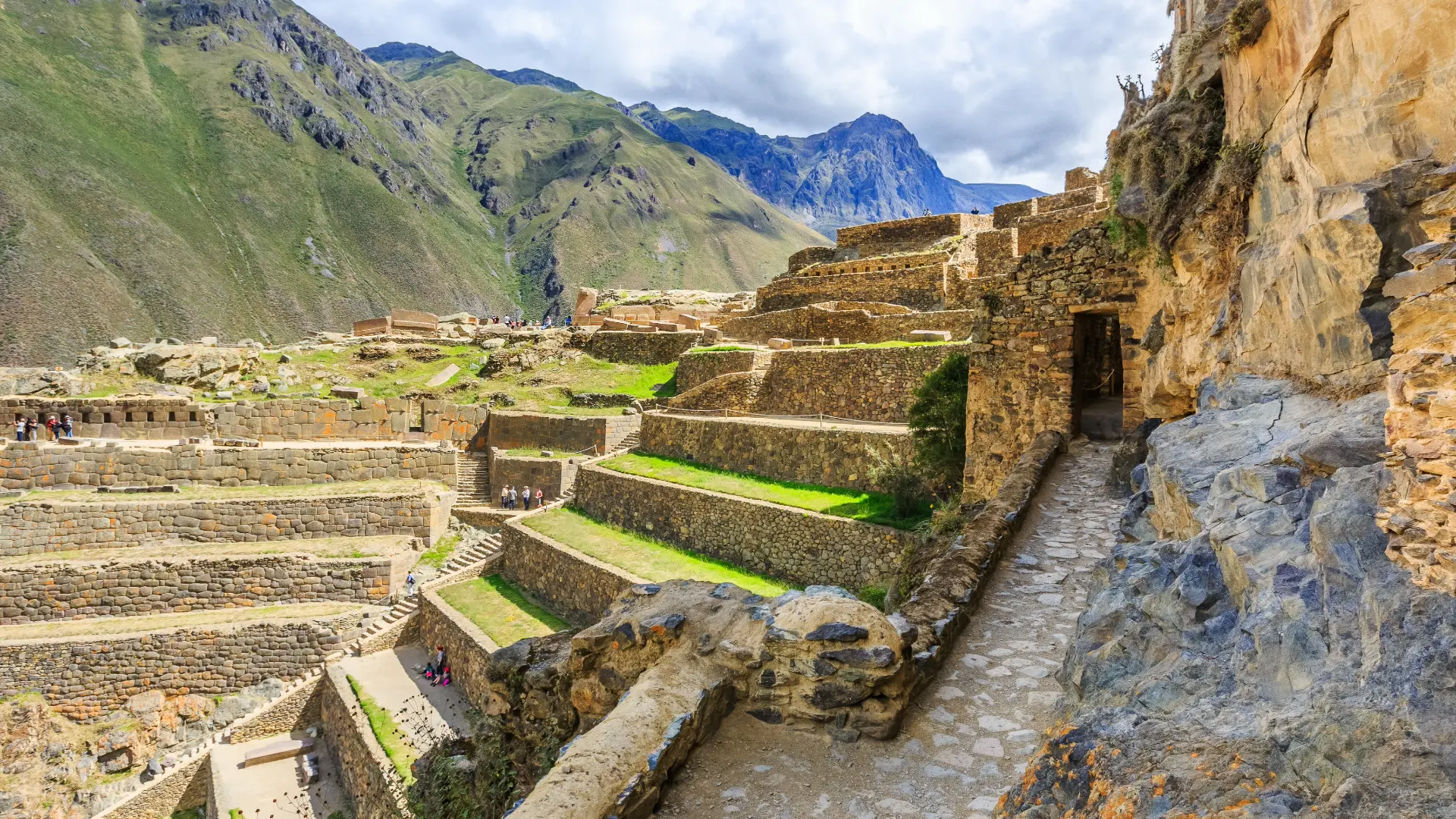
Explore Ollantaytambo, a rare 'living Inca town' where inhabitants reside within walls built by their ancestors. This site is not just a ruin; it is a community with an unbroken history. It was here, at its formidable fortress, that the Incas secured one of their most significant victories against the Spanish conquistadors in 1537. The site's main fortress houses the impressive and mysteriously unfinished Temple of the Sun, a testament to the empire's abrupt end.
Cusco: The Imperial Navel of the World
Cusco was the 'navel of the world' for the Incas. You can see history in layers here, where the Spanish built the Santo Domingo church directly upon the gold-plated walls of the sacred Qoricancha sun temple. Just above the city, the Sacsayhuaman fortress showcases architectural genius. Its massive zigzag walls are thought to represent the teeth of a puma, a sacred Inca animal. Some of its stones weigh over 120 tons, fit together with an impossible, mortar-free precision.