
Peru’s Ancient Water Temples and Their Sacred Role
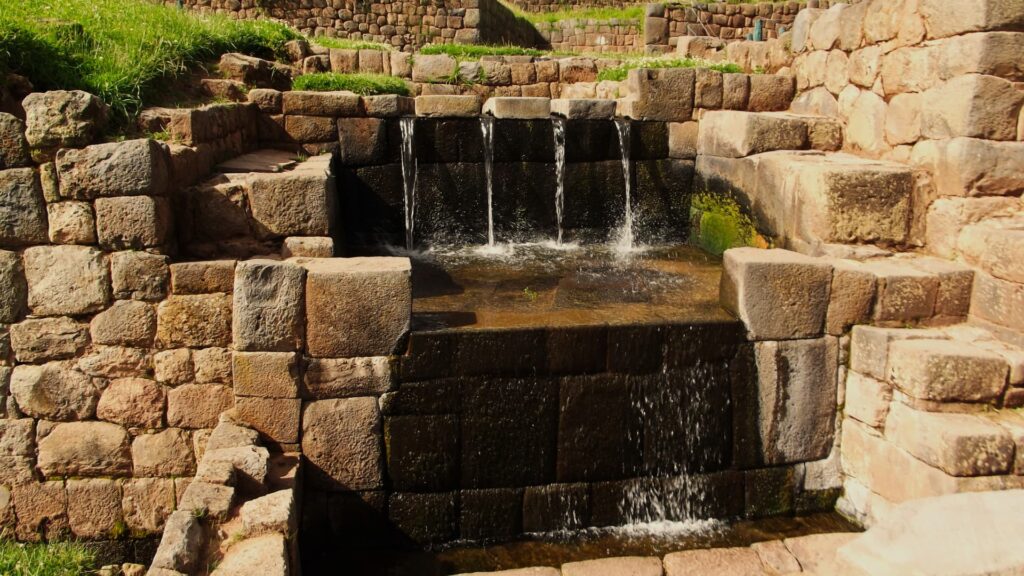
Across the highlands of Peru, ancient water temples reveal the brilliance of pre-Columbian engineering. These sites such as Tipón, Huaycán, and Chinchero feature stone canals, fountains, and ceremonial basins that still function today.
More than irrigation systems, Peru water temples reflect a sacred bond with water. In Andean cosmology, water symbolized life, movement, and connection between worlds. Because of this, these temples honored it with precision and reverence.
Tipón: Inca Hydraulic Mastery in a Living Temple
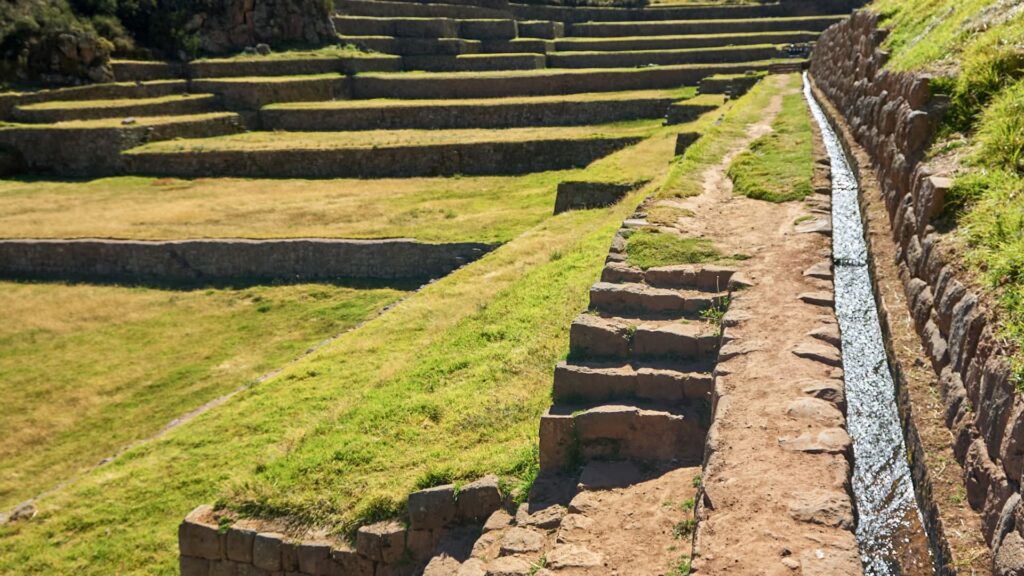
Tipón, located near Cusco, offers one of the most impressive hydraulic designs in the Andes. Spring-fed channels descend through carved stone aqueducts, irrigating terraces with remarkable consistency.
Visitors can walk beside flowing water that has moved uninterrupted for centuries. While some believe Tipón served as a royal garden, others suggest it was a site for ritual purification. Either way, its design reflects both utility and ceremony.
If you’re seeking a deeper connection to Andean spirituality, our Sacred Valley Retreat Peru offers a wellness-focused itinerary that pairs beautifully with visits to ceremonial water sites like Tipón.
Other Andean Sites with Ceremonial Water Architecture
- Huaycán de Cieneguilla: Near Lima, this lesser-known site includes ceremonial fountains and stepped platforms.
- Chinchero: Famous for its colonial church and textile market, it also features Inca water channels integrated into the landscape.
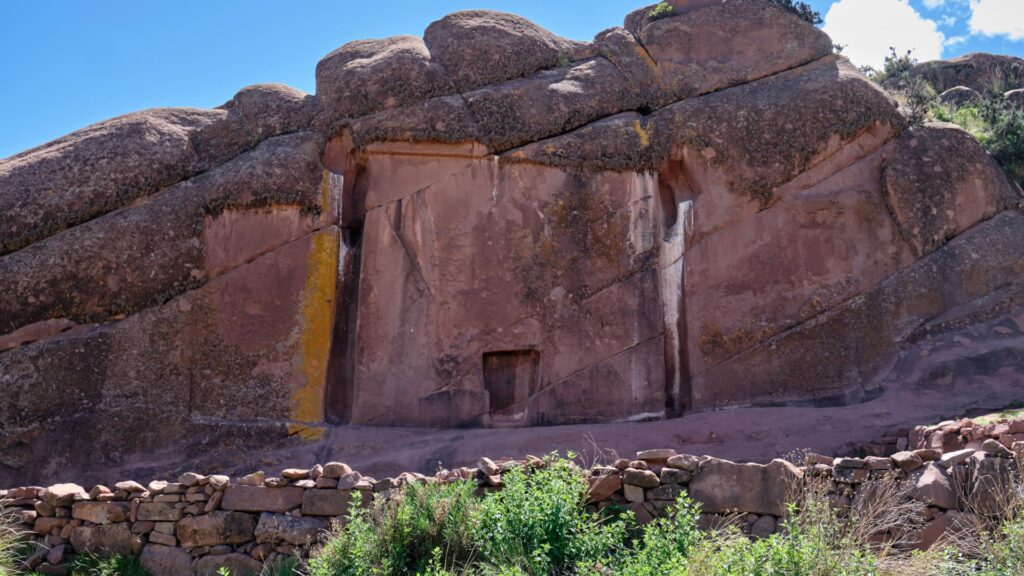
- Amaru Muru: Though more mythic than hydraulic, this carved stone portal near Lake Titicaca is often linked to water rituals and cosmic symbolism.
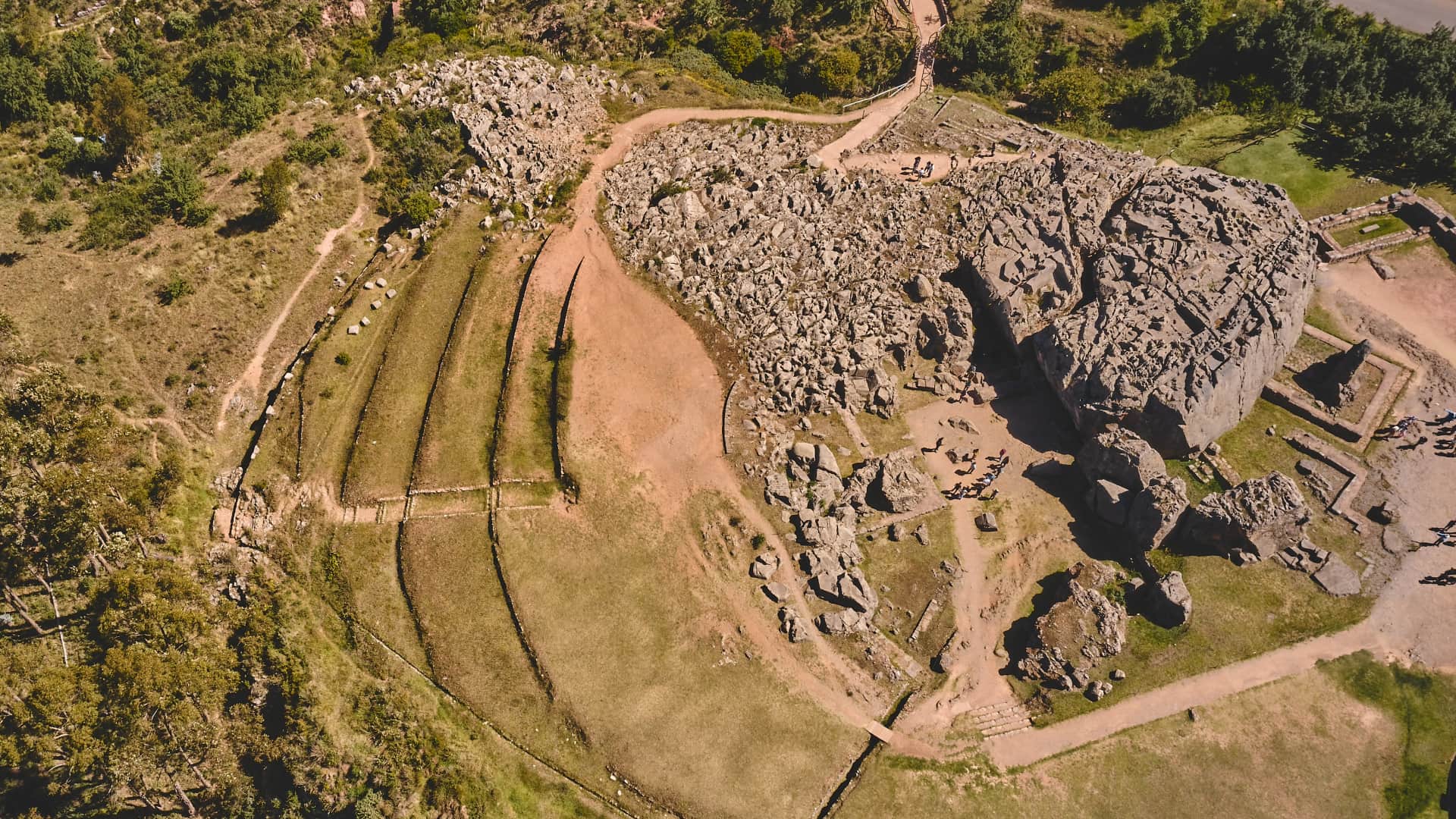
Just as Exploring Sacsayhuaman Ruins showcases monumental stonework, Peru water temples reveal a subtler mastery where water flows through carved channels with ritual precision.
From Water Temples to Agricultural Innovation
These temples weren’t isolated marvels. Instead, they formed part of a larger system that blended agriculture, cosmology, and ritual. For example, our Moray and Pisac Tour showcases how circular terraces and water channels worked together to test crops and honor Pachamama.
Visiting Peru’s Ritual Water Temples Today
Although most travelers focus on Machu Picchu or the Inca Trail, visiting Tipón or Chinchero adds depth to your experience. These sites are accessible from Cusco and pair well with Sacred Valley excursions or wellness retreats.
For solo travelers seeking quiet reflection and cultural depth, Peru water temples offer a serene alternative to more crowded sites. Our Luxury Solo Travel Peru: A Guide to Safe, Private Adventures includes tips for navigating these sacred spaces independently.
If you’re planning a longer itinerary, we’re happy to help you include these water temples and suggest how to integrate them into your journey.


chat_bubble_outline Leave a Reply