
Guide to Ollantaytambo: A Living Inca Town in the Sacred Valley
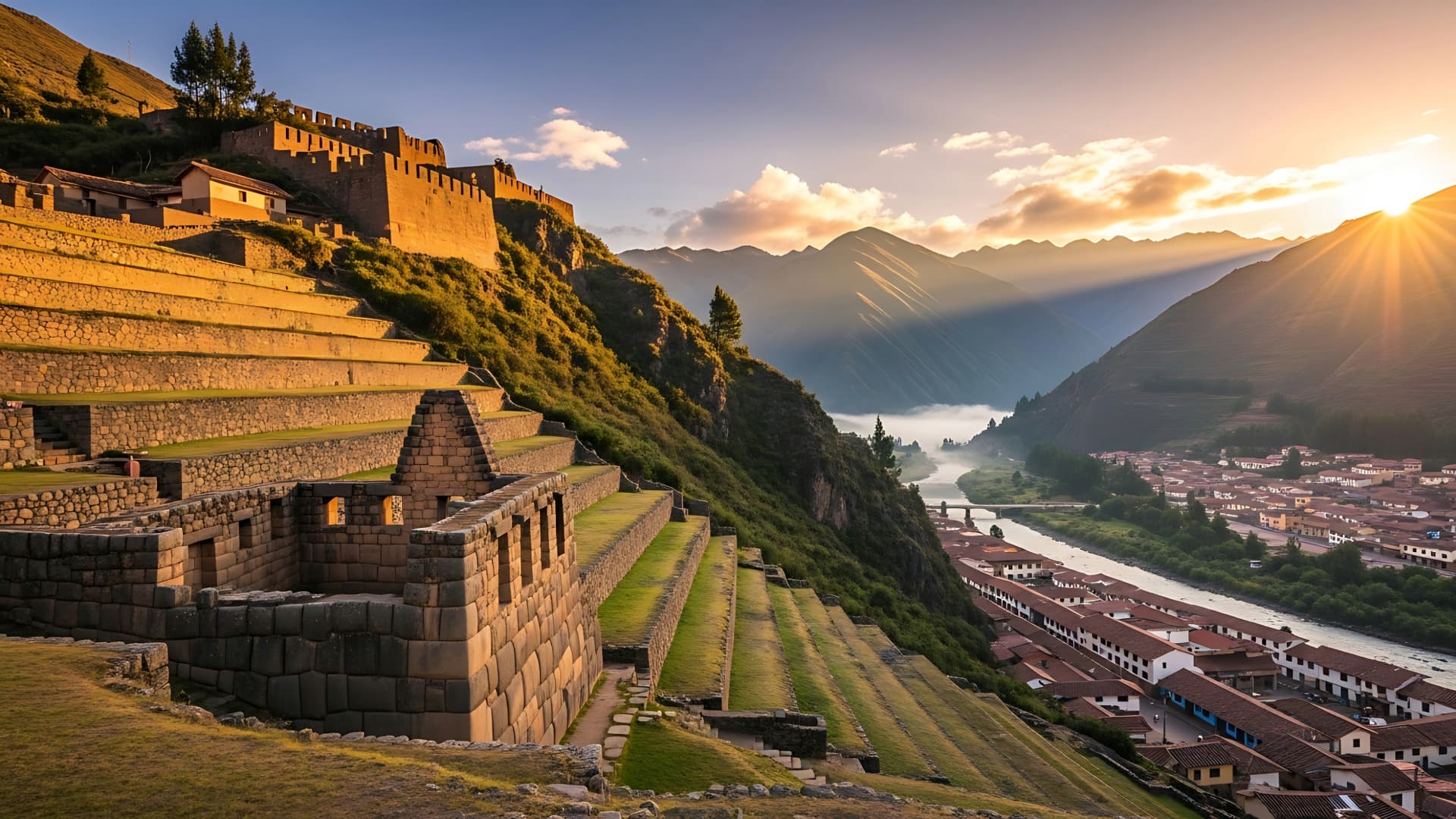
This guide to Ollantaytambo begins in a place where history isn’t just preserved it’s lived. Nestled between steep mountains and fertile fields, Ollantaytambo is one of the few towns in Peru where Inca urban planning remains intact and inhabited. You’ll walk through stone alleys built centuries ago, still used by Quechua-speaking families who maintain ancestral traditions.
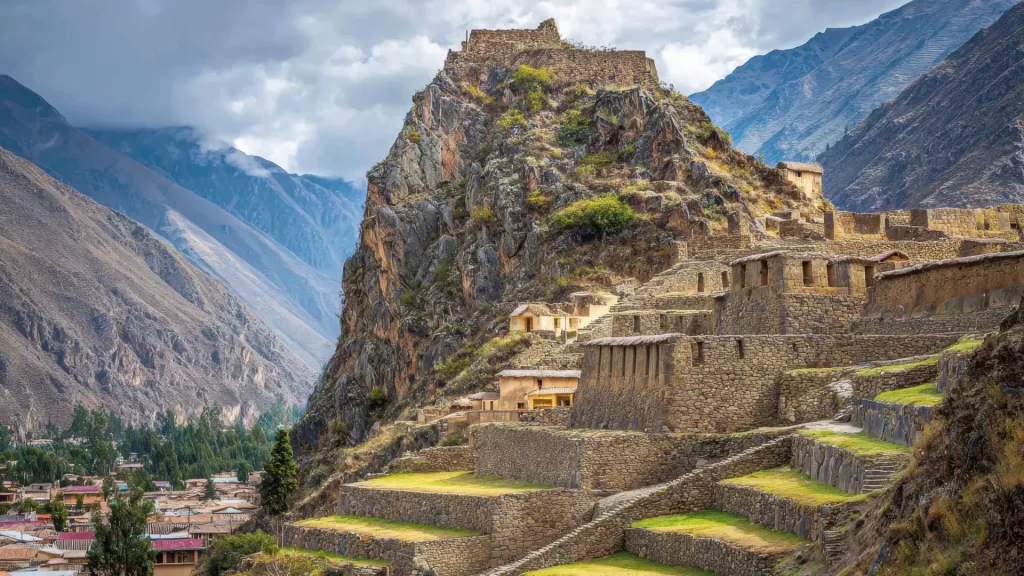
The fortress above the town is a marvel of engineering and symbolism. Its terraces climb toward the sky, and its ceremonial structures like the Temple of the Sun reflect the Incas’ mastery of stone and cosmic alignment.
Things to See in Ollantaytambo: A Traveler’s Guide
Whether you’re staying overnight or stopping en route to Machu Picchu, Ollantaytambo offers a rich mix of history, nature, and local life. Here are a few highlights:
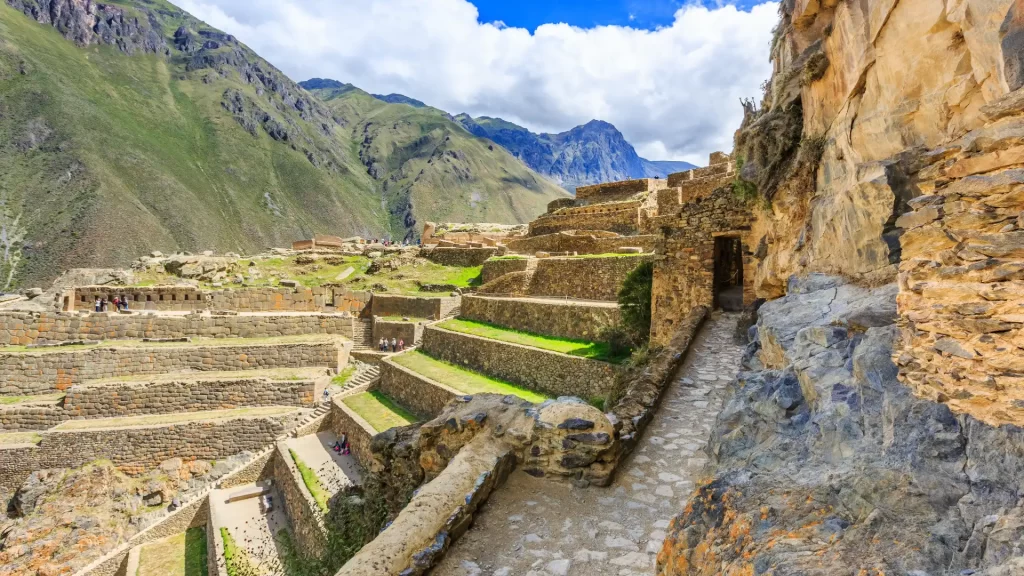
- Fortress and Temple Complex: Climb the terraces for panoramic views and explore sacred spaces once used by Inca royalty.
- Pinkuylluna Hill: A short hike leads to ancient storehouses and stunning valley vistas.
- Old Town: Wander through the original Inca street grid, still home to local families.
- Local Markets: Discover handmade textiles, pottery, and traditional snacks like choclo con queso.
If you’re continuing to Machu Picchu, Ollantaytambo is the last train station before Aguas Calientes. For a seamless experience, consider the Short Inca Trail to Machu Picchu – 2-Day Tour, which begins nearby and lets you arrive at the citadel on foot, just as the Incas did.
Getting to Ollantaytambo and Planning Your Visit
Ollantaytambo is easily accessible from Cusco by car, colectivo, or train. The journey takes about two hours, but the change in atmosphere is immediate. The town feels quieter, more grounded, and deeply connected to its past.
To make the most of your visit:
- Arrive early if you plan to explore the ruins morning light and fewer crowds enhance the experience.
- Wear sturdy shoes for climbing terraces and walking cobbled streets.
- Stay overnight to enjoy the town’s slower rhythm and catch the early train to Machu Picchu.
- Respect local customs many residents speak Quechua and appreciate cultural sensitivity.
If you’re short on time but want a premium experience, the Full-day Luxury Tour to Machu Picchu offers curated service and cultural depth, starting from Ollantaytambo or Cusco.
Beyond the Fortress: Extend Your Ollantaytambo Experience
Ollantaytambo isn’t just a destination it’s a gateway. From here, you can visit nearby sites like Moray’s concentric terraces or the salt pans of Maras. You can hike to remote ruins like Pumamarca or join a guided experience with local weavers and farmers.
For travelers seeking a deeper journey through Peru’s landscapes and cultures, the Across the Amazon to the Andes itinerary includes Ollantaytambo as part of a broader exploration of the Sacred Valley, jungle, and highlands.


chat_bubble_outline Leave a Reply