
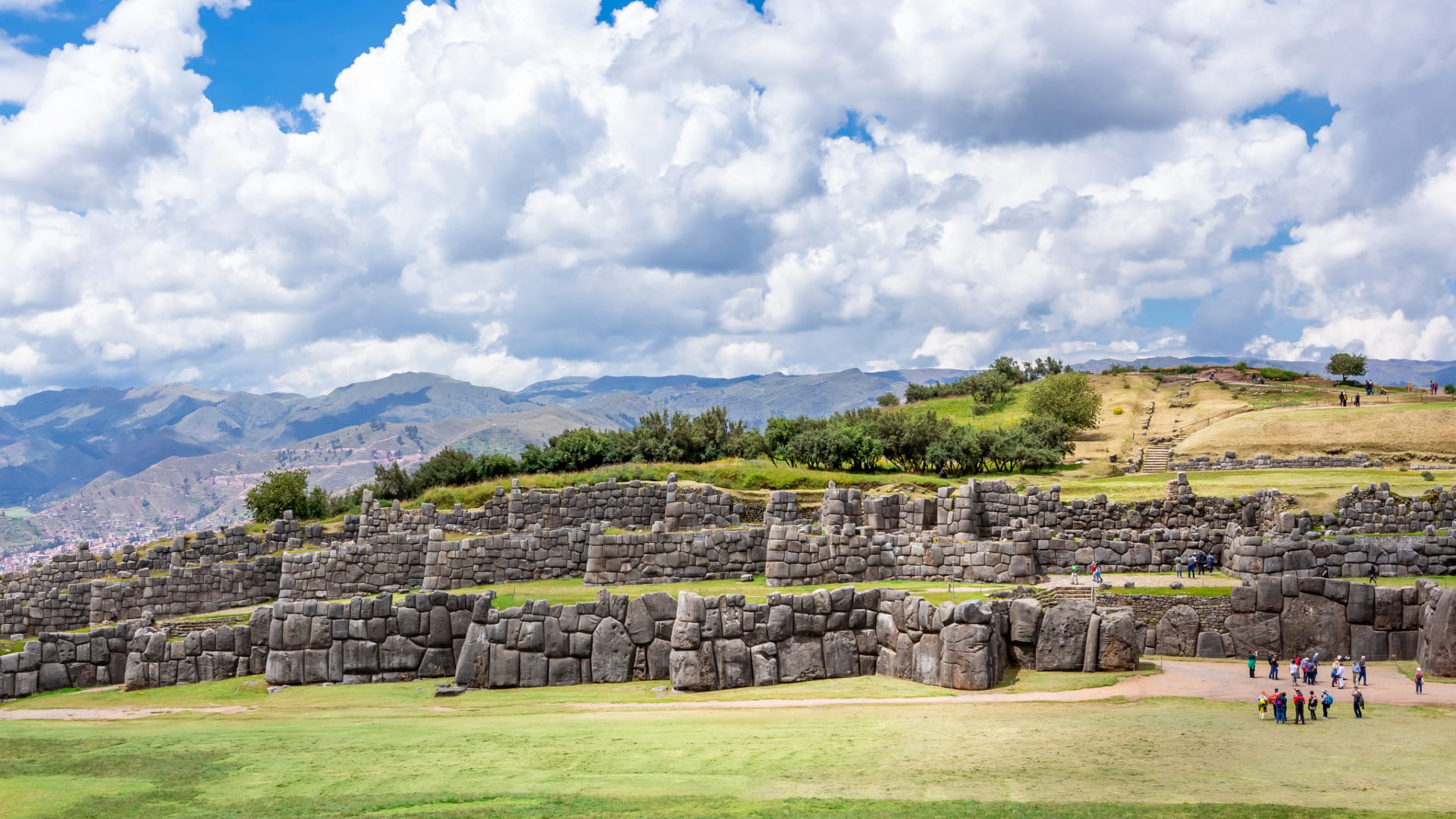
Sacsayhuaman, a stone monument of staggering proportions, sits on a hill overlooking Cusco. When you stand before its massive, zigzagging walls, you are humbled by a profound mystery.
How did a civilization without the wheel or iron tools build this? Exploring Sacsayhuaman ruins is more than a simple stop on a city tour. In fact, it is a direct encounter with the genius and power of the Inca world. This is the kind of journey into history that defines our approach to bespoke travel Peru .
Understanding the History Before Exploring Sacsayhuaman Ruins
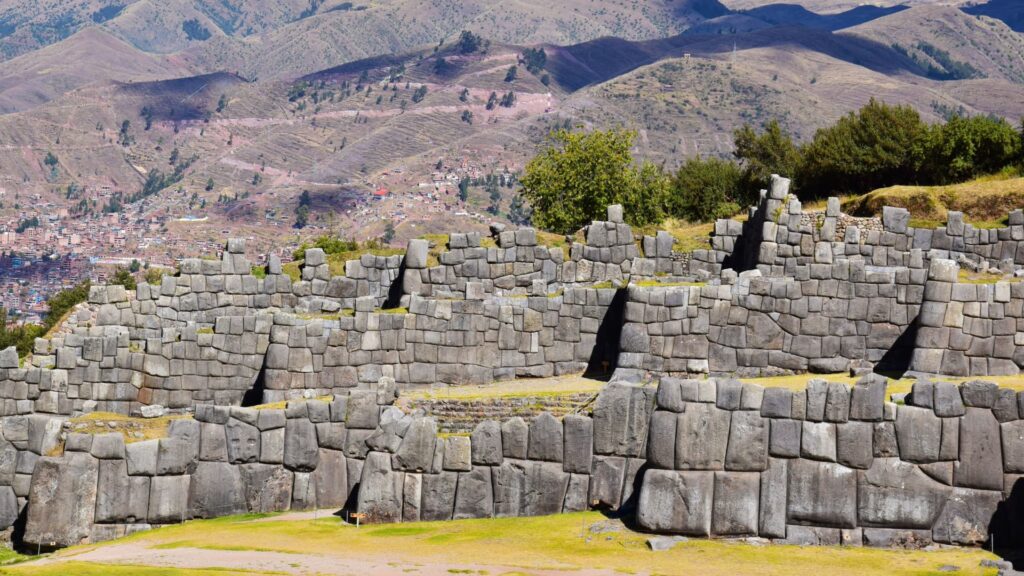
The true history of Sacsayhuaman Cusco is a key part of the experience. Historians believe construction began under the reign of the great Inca Pachacuti in the 15th century. Its scale was so immense that it took nearly a century and over 20,000 men to complete. For a long time, experts have debated its primary function.
Was it a fortress? Its role in the great Inca rebellion of 1536 certainly supports this theory. Or was it a vast temple complex? Its alignment with the stars also suggests a deep spiritual purpose. Unraveling this history is a highlight of any comprehensive journey through the region, like ourThe Heart of the Andes Cusco to Machu Picchu tour.
Exploring Sacsayhuaman Ruins: A Feat of Megalithic Architecture
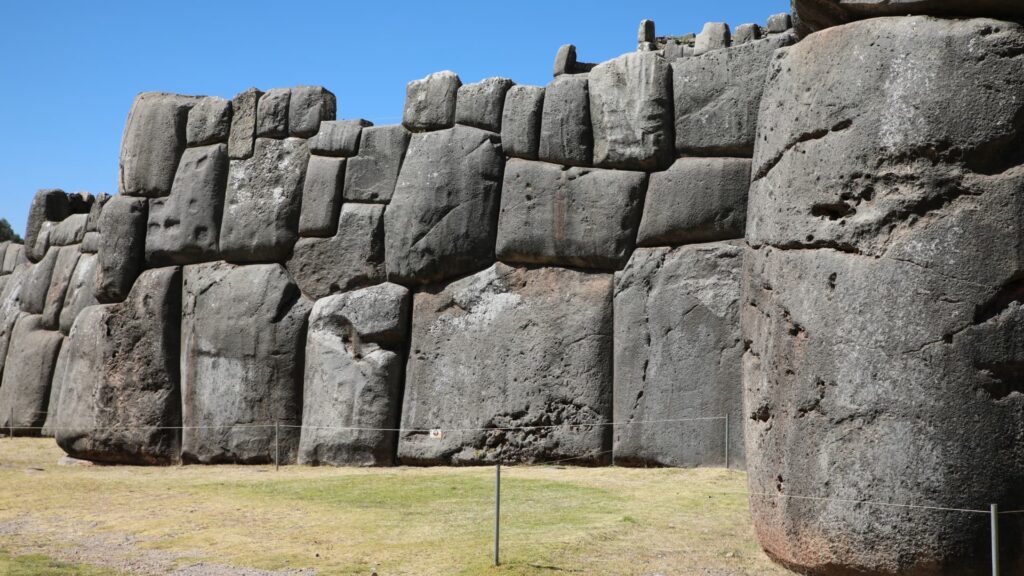
The defining feature you’ll notice when exploring Sacsayhuaman ruins is its construction. Indeed, this is the pinnacle of megalithic architecture Peru has to offer. The Incas built the complex from stones of a size that defies imagination. For instance, some weigh over 125 tons.
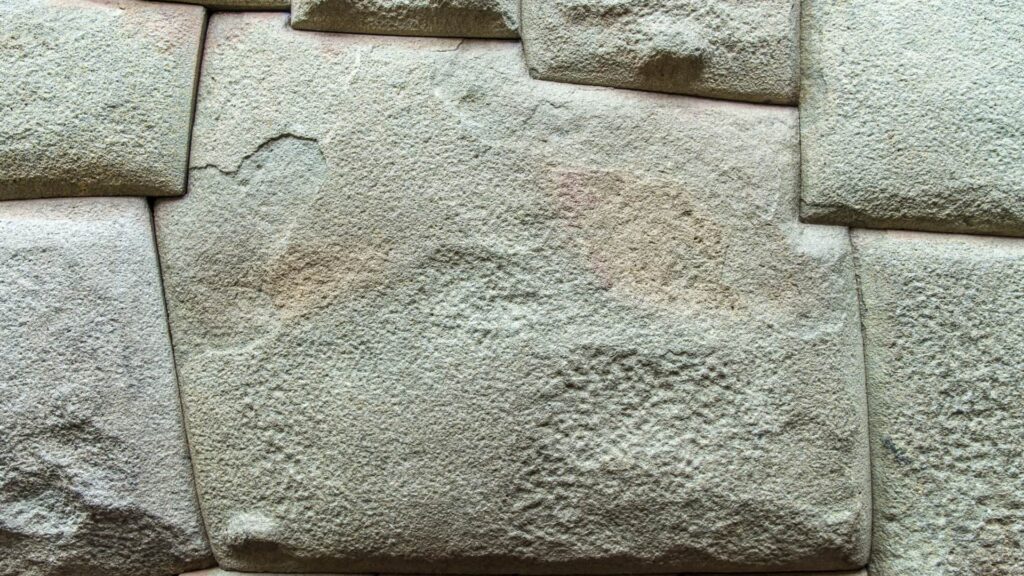
Furthermore, they fitted these monoliths together without a drop of mortar. The precision is so perfect that not even a single sheet of paper can fit between them. This technique is the most famous example of the iconic Inca walls Cusco is known for. The Incas designed them to be earthquake-resistant and eternally imposing.
Key Highlights When Exploring Sacsayhuaman Ruins
While the main walls are the most famous feature, the complex is vast. Knowing what to see at Sacsayhuaman will enrich your visit. As a result, it will become one of your most memorable Cusco Experiences.
The Three Tiered Walls
Three monumental, parallel walls guard the main plaza. They were built in a zigzag pattern. This design is believed to represent the teeth of the puma, a sacred animal. The city of Cusco was designed to emulate this powerful creature.
The Inca Throne (Suchuna)
On a large rock outcrop, you will find a series of steps and seats. The Incas carved them perfectly into the stone. Known as the Inca Throne, this was likely a ceremonial spot. From here, the Inca ruler could preside over rituals and events.
The Rodaderos
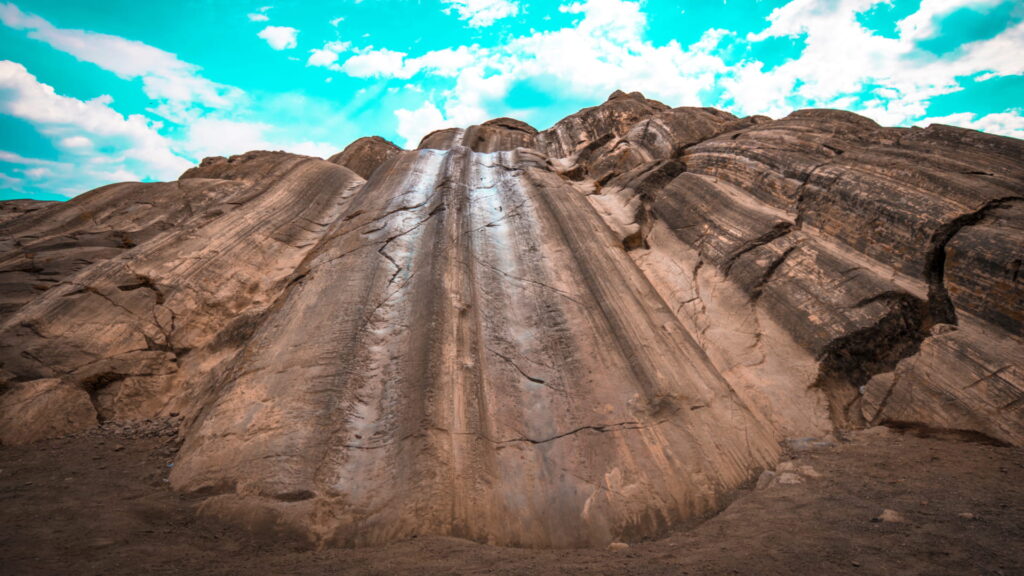
These are large, naturally smooth rock formations on the hill behind the main ruins. Polished by a prehistoric glacier, they now serve as natural slides, used by locals and travelers alike for a moment of lighthearted fun.
Your Expert Guide to Exploring Sacsayhuaman Ruins
A site like Sacsayhuaman is impressive on its own. However, it is with an expert guide that the stones truly begin to speak. A knowledgeable guide can tell the dramatic stories of the 1536 siege and explain the cosmic significance of the site’s layout, making your experience exploring Sacsayhuaman ruins unforgettable.
This commitment to deep, historical context is a reflection of who we are. You can learn more about Qosqo Expeditions and our philosophy of curated travel.

chat_bubble_outline Leave a Reply