
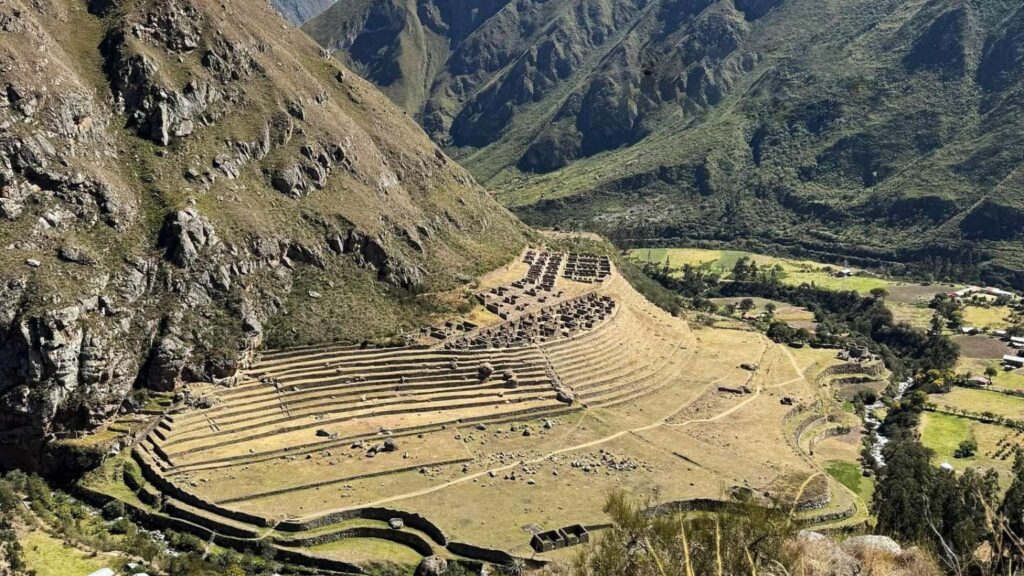
Booking a flight to South America starts with a clear vision. Most hikers want quiet stone paths and roaring mountain rivers. They dream of morning fog rising off sharp rock towers.
Planning an Andean hike often feels very different. Online forums make it seem like standing in an airport security line. Advice tells you to buy permits eight months early. Hikers warn of 4:00 AM alarms in noisy campsites. Many groups march in single file along the standard four day route.
Hiking above 13,000 feet (4,000 meters) tests your physical limits. Crowded paths and frozen campsites drain your energy. Rushed trail paces only worsen altitude headaches.
The truth is simple. The best treks in peru do not require crowded trails or rigid permit lotteries.
Centuries of ancient stone pathways cross the Southern Peruvian Andes. On these trails, you can walk for hours without seeing another group. Paths lead past hanging ice fields and natural mineral springs. Other routes visit quiet Quechua hamlets or wind toward Machu Picchu.
At Qosqo Expeditions, we help you navigate these mountain choices. Our local crew handles the camp logistics. This support lets you hike at your natural pace and enjoy the scenery. Below is a practical guide to the finest routes in the region. It will help you choose the best trail for your schedule, legs, and travel style.
Why Alternative Routes Feel So Different on the Trail
The classic four day Inca Trail enforces a strict cap of 500 people per day. Porters, cooks, and staff take more than 300 of those permits. Every tour group follows identical camp schedules. As a result, fixed group timetables shape your entire mountain experience.
Stepping onto alternative treks to inca trail corridors shifts your daily rhythm completely.
- Your pace belongs to you: Take an extra breather whenever your lungs demand it on a steep 14,700 foot climb (4,480 meters). If you wish to watch a condor soar across the canyon, you simply stop. Nobody blows a whistle to hurry you along.
- Highland communities live their normal life: Trails pass family stone homes with dried corn hanging under thatched eaves. Local children guide alpacas beside clean irrigation channels. Village squares echo with daily Quechua conversation.
- Campsites remain genuinely peaceful: Tents sit beside quiet alpine tarns rather than packed dirt clearings. At night, you sleep under granite spires beneath wide open Andean skies.
5 Mountain Routes Beyond the Crowded Inca Trail
Each mountain valley around Cusco presents distinct weather, stone ruins, and hiking demands. Here is how the top five routes compare in distance, pass elevations, and daily reality.
1. Lares Trek 4 Days with Living Culture and Hot Springs
The lares trek 4 days route is ideal for cultural connection. It focuses on textile heritage and wide river valleys instead of treacherous scree slopes.
Popular trails often feel like busy tourist corridors. In contrast, the Lares Valley functions as an active pastoral landscape. The journey starts near the natural hot springs of Lares. Here, you soak sore joints in warm mineral pools before hiking toward Quiswarani and Cuncani.
Families along the trail herd alpacas in remote hamlets. They spin sheep wool with hand drop spindles and color fibers using native plants. Villagers wear handwoven red ponchos that signal their home community. Our local guides translate conversations between Quechua and English. These exchanges help you understand the living culture of the highlands.
Trail Realities and Daily Flow
- Distance and High Point: Hikers cover 21 miles (34 km) on foot across three trekking days. The main climb crosses Ipsaycocha Pass at 14,600 feet (4,450 meters) on Day 2. The summit delivers clear views of Mount Veronica (Wakay Willka).
- Camp and Comfort: Night temperatures drop near freezing. Campsites rest beside alpine lakes where alpacas graze past your tent door.
- The Route Finish: On Day 3, the trail descends to Ollantaytambo in the Sacred Valley. You board an afternoon train to Aguas Calientes and rest in a hotel before touring Machu Picchu.
- Who it suits best: This route fits hikers seeking authentic cultural contact, peaceful valley walking, and moderate climbs without permit stress.
2. Salkantay Trek Scenic Views from Glaciers to the High Jungle
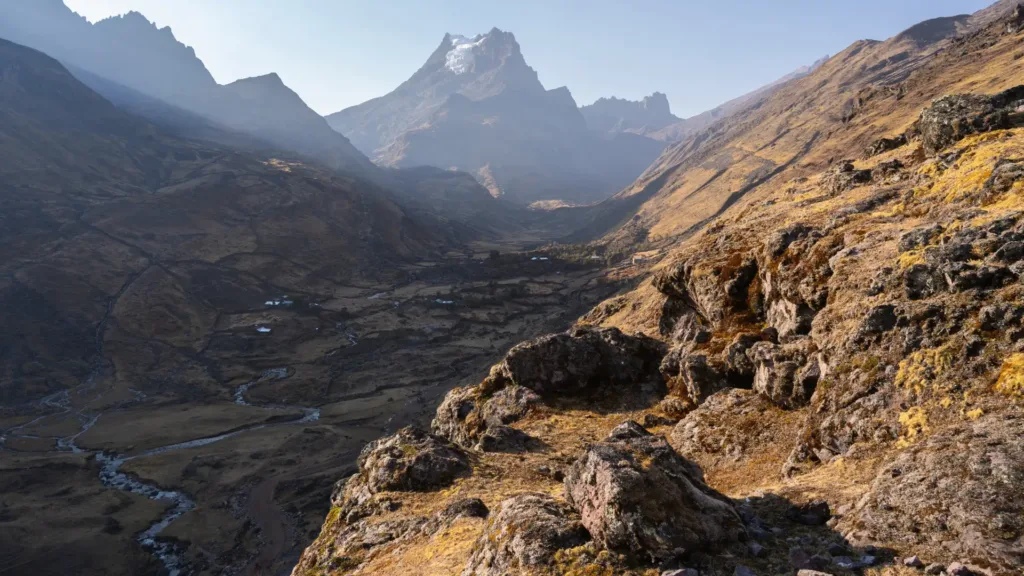
Mount Salkantay stands at 20,574 feet (6,271 meters). The peak is revered throughout the Andes as an Apu, a sacred guardian spirit. For raw alpine scale, the salkantay trek scenic views remain unmatched.
Rapid landscape transitions make this hike remarkable. You start walking across Soraypampa at 12,795 feet (3,900 meters) under giant moraines. The trail pushes over rocky Salkantay Pass at 15,190 feet (4,630 meters). Soon, you drop down into the warm, humid high jungle (Ceja de Selva).
We help manage your daily pace during this descent. Thoughtful pacing protects your knees as rocky paths yield to tropical valley steps.
Trail Realities and Daily Flow
- Distance and High Point: Standard itineraries run 4 to 5 days and cover 30 to 37 miles (48 to 60 km). The climb to Salkantay Pass is steep, rocky, and requires steady breathing.
- Humantay Lake Side Trip: A steep 1.5 hour hike from Soraypampa climbs to Humantay Lake at 13,780 feet (4,200 meters). The bright turquoise basin sits directly beneath hanging glaciers.
- Valley Transitions: The trail changes dramatically within twenty four hours. Freezing alpine moraines give way to bamboo forests, passionfruit vines, and family coffee farms.
- The Route Finish: Hikers can visit the ruins of Llactapata to see Machu Picchu across the gorge. Alternatively, follow the river trail through the hydroelectric station into Aguas Calientes.
- Who it suits best: Fit travelers who want visual variety will love this trail. It moves from hanging glaciers directly into lush coffee valleys.
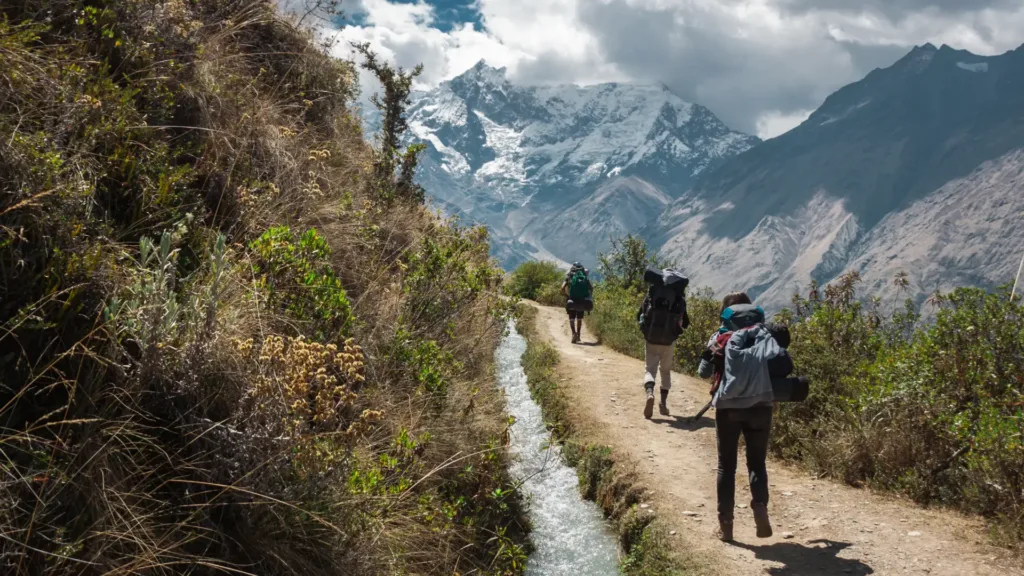
3. Ausangate High Altitude Trek Across Raw Mountain Wilderness
The ausangate high altitude trek is the premier wilderness expedition in Southern Peru. It avoids mass tourism entirely.
The route circuits Mount Ausangate at 20,944 feet (6,384 meters), the highest peak in Cusco. Most Andean hikes focus on reaching Machu Picchu. Ausangate is different. It is a genuine wilderness loop through high alpine pastures.
The path stays above 13,800 feet (4,200 meters) for nearly the entire journey. You walk past neon turquoise glacial tarns, grazing vicuñas, and huge ice walls. Elevations on this trail are severe. We help you prepare by scheduling light acclimatization walks around Cusco before you start.
Trail Realities and Daily Flow
- Distance and High Point: A complete circuit lasts 4 to 6 days and spans 34 to 43 miles (55 to 70 km). Hikers cross Palomani Pass at 17,060 feet (5,200 meters) and Qampa Pass at 16,568 feet (5,050 meters).
- Mineral Geology: Surrounding mountains display red, gold, and turquoise mineral stripes. These sediment layers match the colorful mountains Colorado features on its high peaks, elevated here to extreme Andean heights.
- Thermal Springs: The circuit visits the highland village of Pacchanta. Here, rustic open air pools let you soak in hot water while viewing the glaciated south face of Ausangate.
- Who it suits best: Seasoned backpackers with solid endurance thrive here. You need at least three days of acclimatization before attempting this high alpine loop.
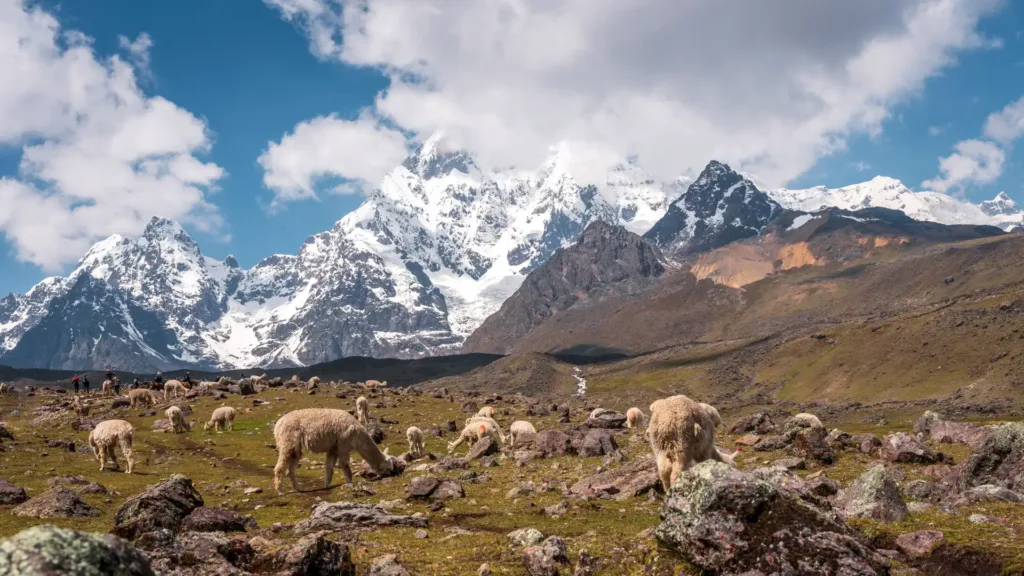
4. Huchuy Qosqo Trek 2 Days Along Historic Inca Balconies
Not every traveler has a week to sleep in mountain tents. If your schedule is tight, the huchuy qosqo trek 2 days delivers an authentic stone trail. It is one of the most rewarding short hikes in the Sacred Valley.
The route starts on the high plains near Chinchero or Lake Piuray. Hikers follow an intact stone Inca road through a steep red canyon. The path emerges onto a natural cliff terrace 2,625 feet (800 meters) above the valley floor.
Our guides explain the historic architecture of the site. You have plenty of time to inspect the stone joints without feeling rushed.
Trail Realities and Daily Flow
- Distance and High Point: The hike covers 9 to 11 miles (14 to 17 km) across two days. The highest point reaches 13,780 feet (4,200 meters), leading into a gentle downhill on stone stairs.
- The Archaeological Site: Huchuy Qosqo translates to “Little Cusco.” The complex served as a private retreat for the Inca ruler Wiracocha. With no car access, you explore the stone palaces, storehouses, and agricultural terraces in quiet solitude.
- The Connection: A stone trail leads down to Lamay or Calca in the Sacred Valley. From the valley floor, private transport connects you to the train for Machu Picchu.
- Who it suits best: Active families, photographers, and travelers with tight schedules enjoy this path. It provides genuine Inca stonework without requiring a long expedition.
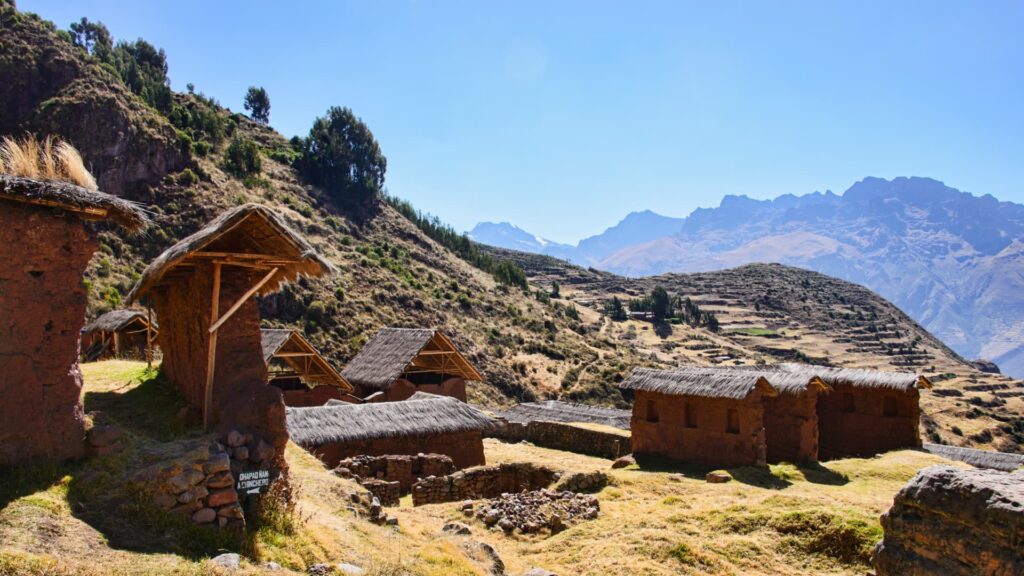
5. Short Inca Trail 2 Days Express Trek to Machu Picchu
This trail is perfect if you want to walk through the Sun Gate without camping on frozen ground. Regarded as the premier express trek to machu picchu, the short inca trail 2 days packs the most dramatic mountain scenery into one day of hiking.
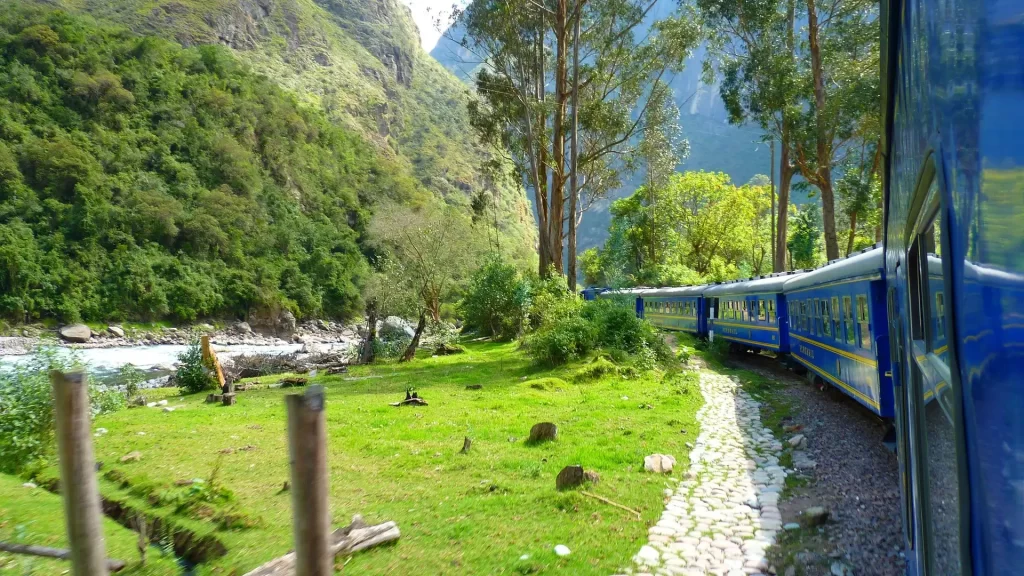
You take the morning train toward Aguas Calientes and disembark at Kilometer 104 along the Urubamba River. The hike begins across a suspension bridge. From there, the trail climbs through cloud forest past ancient farming terraces.
Our team secures official trail permits and train bookings months ahead. We handle the paperwork so you only need to carry a daypack on the trail.
Trail Realities and Daily Flow
- Distance and High Point: Day 1 covers 7.5 miles (12 km). The path climbs to the ruins of Wiñay Wayna at 8,690 feet (2,650 meters). Then, a stone path leads to the Sun Gate (Inti Punku) at 8,920 feet (2,720 meters).
- Wiñay Wayna Ruins: Many trekkers prefer this site over Machu Picchu. Curved agricultural terraces cling to vertical granite cliffs among wild orchids.
- Late Afternoon Arrival: Hikers arrive at the Sun Gate in the late afternoon. Day crowds have already departed for town. This timing gives you a serene view of the ruins in soft mountain light.
- Valley Hotel Rest: After taking photos, you take the short bus ride to Aguas Calientes for a warm shower, dinner, and a hotel bed. You return rested the next morning for your private guided tour.
- Who it suits best: Hikers wanting the foot entrance through the Sun Gate combined with hotel comfort will appreciate this option.
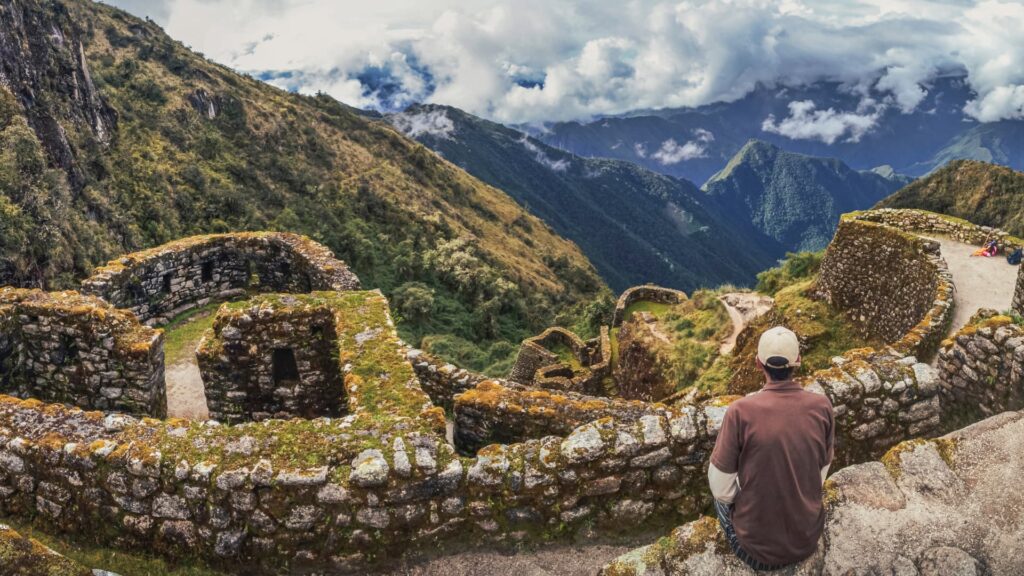
High Altitude Pacing and Mountain Safety Essentials
Trekking through the Andes is never a race. Success requires finding a steady rhythm. Your lungs need time to adapt to lower oxygen levels.
Cusco sits at 11,150 feet (3,400 meters). High passes on Salkantay or Ausangate climb past 15,000 feet (4,570 meters). At these heights, each breath provides 40% less oxygen than at sea level. Your heart works harder to supply your muscles. Legs feel heavy if you push too fast.
Taking proper care of your body during the first two days makes all the difference. Good habits turn a grueling struggle into an unforgettable journey.
The Realities of Mountain Acclimatization
The Thin Air Reality: Lower barometric pressure above 14,000 feet (4,260 meters) reduces oxygen intake. Moving at an easy, rhythmic pace allows red blood cells to adapt naturally.
Daily Morning and Evening Checks: A painless finger pulse check morning and night tracks your recovery. It shows your guide how well your body rests before walking begins.
The Golden Hydration Rule: Drink 3 to 4 liters of clean water and warm herbal infusions daily. Dry mountain air accelerates dehydration, which is the primary cause of headaches.
“Most hikers assume altitude sickness is bad luck or poor fitness. On the trail, problems usually stem from rushing early on and skipping water. Take short steps matched to your breathing rhythm. The mountains will welcome you without trouble.”
Senior Lead Expedition Guide, Qosqo Expeditions
Choosing Your Expedition Between Mass Tourism and Private Care
The difference between surviving a trek and truly loving it comes down to how your body is cared for every day.
The Friction of Standard Commercial Tours
A budget group trek starts before dawn with cold wash water and noisy tent zippers. You hike under the pressure of matching the pace of twelve strangers. Feeling out of breath on a steep hill creates silent guilt about slowing the group down. Guides watching large numbers cannot monitor subtle signs of fatigue or dehydration in every hiker.
Meals in crowded group dining tents lean heavily on cheap pasta and rice. These heavy starches digest slowly at high elevations. Nights mean sleeping on thin foam pads over cold soil. Hikers queue for dirty shared latrines and wonder if their group carries medical oxygen if someone falls sick.
How We Help You on a Private Expedition
A private journey with Qosqo Expeditions takes that trail anxiety away. Your daily routine follows your personal energy rather than an arbitrary schedule. You wake up naturally with warm water and fresh tea delivered to your tent. Your guide checks your pulse and oxygen saturation each morning to set a comfortable pace.
You walk only with your chosen travel companions. Want to stop beside a stream to photograph an Andean hummingbird? Need ten minutes on a boulder to catch your breath? The trail is yours to enjoy. Nobody will hurry your steps.
At midday, you enter a private dining tent where a camp chef serves warm, wholesome meals planned for mountain recovery. At night, you sleep on thick mattress cots with warm down duvets. Certified Wilderness First Responder guides support you at all times, equipped with satellite communication and backup oxygen in camp and transport vans.
Frequently Asked Questions (FAQ)
Planning Your Andean Trek with Honest Answers
Preparing for an Andean trek raises sensible questions regarding trail fitness, weather seasons, and permits. Here are clear answers to help you choose the right trail and prepare with confidence.
What is the difference between hiking and trekking in Peru?
Hiking refers to day walks on established paths, whereas trekking involves multi day wilderness journeys across high passes with backcountry camps.
- Day hikes like Humantay Lake or Palccoyo last 2 to 6 hours and return you to a hotel at night.
- Multi day treks like Salkantay, Lares, or Ausangate cover consecutive days on foot through changing elevations.
- Wilderness treks require organized pack animals, camp cooks, and structured acclimatization schedules.
Pair two easy day walks with a multi day trek to build your mountain stamina comfortably.
How hard is trekking in Peru compared to other regions?
Andean trekking is demanding due to extreme elevations, steep stone staircases, and rapid shifts between daytime heat and freezing nights.
- Trails cross mountain passes between 14,400 feet and 17,000 feet (4,390 m to 5,180 m) where air is thin.
- Footpaths feature sustained climbs and descents over uneven stone blocks or loose shale.
- Temperatures swing from sunny 68°F (20°C) afternoons down below freezing after dark.
Train by climbing staircases and doing weighted pack cardio workouts for 8 to 12 weeks before your trip.
What is the best trekking route in Peru?
The best route matches your personal balance of mountain scenery, living culture, and physical fitness.
- Salkantay offers dramatic scenery changes from snowfields down into warm coffee valleys.
- Lares is ideal if you want uncrowded trails, hot springs, and weaving traditions.
- Ausangate gives you an unfiltered alpine wilderness trek around towering peaks.
Pick a route that fits your own fitness and interests rather than following online trends.
What is the difference between the Inca Trail and the Salkantay Trek?
The Inca Trail is a strictly regulated archaeological route, while Salkantay is an open alpine trail renowned for dramatic glaciated peaks.
- Inca Trail permits must be secured 6 to 8 months early and lead into the Sun Gate on foot.
- Salkantay requires no trail permits and crosses a higher pass at 15,190 feet (4,630 m).
- Accommodations on Salkantay offer flexible choices ranging from mountain dome lodges to quiet wilderness camps.
Choose Salkantay if classic permits are sold out or if you prefer wide mountain horizons over stone steps.
When is the best time of the year for trekking in Peru?
The dry Andean winter from May through September brings the clearest skies and most dependable trail conditions across Cusco.
- June, July, and August have the lowest rainfall, providing optimal conditions for mountain photography.
- Shoulder months like April, May, and October offer greener scenery with fewer hikers on the trail.
- The wet season spans November through March, with heavy February rains closing the classic Inca Trail for maintenance.
Always carry a dependable rain shell, even during dry months, as mountain showers can develop quickly.
How many days do I need to acclimatize before trekking in Cusco?
Spend at least 48 to 72 hours resting and taking easy walks at intermediate elevations before tackling any multi day trek.
- Rest your first two nights in the Sacred Valley at 9,400 feet (2,870 m), which is significantly lower than Cusco.
- Skip alcohol, caffeine, and heavy fried foods during your initial days to speed acclimatization.
- Drink 3 to 4 liters of clean water daily, supplemented with local muña mint tea to ease mild headaches.
Take a gentle stroll through Pisac or Ollantaytambo on your second day to test your legs.
Do I need a permit or guide to trek in Peru?
The classic Inca Trail legally requires licensed guides and official government permits, while alternative routes like Salkantay or Lares do not require trail permits.
- Inca Trail permits are non refundable, strictly limited to 500 people daily, and linked to your passport.
- Alternative routes do not require hiking permits, though you must reserve Machu Picchu entry tickets in advance.
- Remote passes and variable Andean weather make certified guide support essential for backcountry safety.
Ensure your passport has at least six months of validity remaining when reserving your trekking dates.
Can you trek to Machu Picchu without doing the Inca Trail?
Alternative routes like Salkantay, Lares, and Huchuy Qosqo connect smoothly to Machu Picchu by train or linking trails.
- Salkantay connects via the hydroelectric trail or Llactapata directly into Aguas Calientes.
- Meanwhile, the Lares route winds through pastoral valleys before joining the train in Ollantaytambo.
- Travelers on Huchuy Qosqo finish on the Sacred Valley floor for a fast rail connection.
Choosing an alternative route gives you flexible travel dates without relying on sold out permit calendars.
How do you prevent altitude sickness on Peru treks?
Preventing altitude sickness comes down to steady hydration, a relaxed walking rhythm, light meals, and honest communication with your guide.
- Walk with short, rhythmic steps rather than rushing up steep mountain switchbacks.
- Ask your guide for a simple finger pulse check each morning to verify that your body is resting well.
- Consult your doctor at home if you plan to carry preventative medications like Diamox.
Travel with a professional operator that carries supplemental oxygen in support vehicles and camp setups.
What should I pack for a multi day trek in Peru?
Dress in breathable technical layers, keeping daytime essentials in your daypack while pack animals or porters transport your main duffel bag.
- Pack a waterproof rain jacket, warm down parka, thermal base layers, broken in boots, and wool hiking socks.
- Carry high SPF sunscreen, polarized sunglasses, a sun hat, lip balm, and an insulated water bottle in your daypack.
- Include a headlamp, portable power bank, blister tape, and personal daily medications.
Never begin a multi day Andean trek in brand new boots; break them in thoroughly at home first.

Leave a Reply