
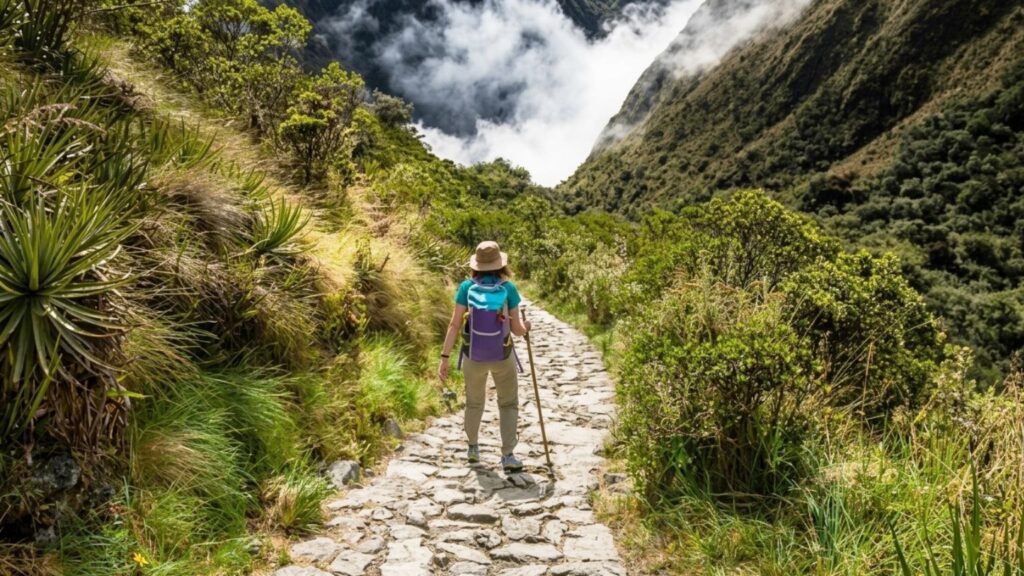

Hiking the Inca Trail doesn’t mean filling your backpack with clothes. The key is to choose a few versatile pieces that you can layer, remove, or add as the temperature and weather change.
During the trek, you may start the morning feeling cold, warm up after several hours of walking, and need an extra layer again by the evening. That’s why dressing in layers is much more practical than packing a different outfit for every situation.
In this guide, you’ll find what to wear on the Inca Trail, what footwear to choose, what to bring for the night, and how to adapt your clothing to the season.
What Clothes Do You Need for the Inca Trail?
What Clothes Do You Need for the Inca Trail?
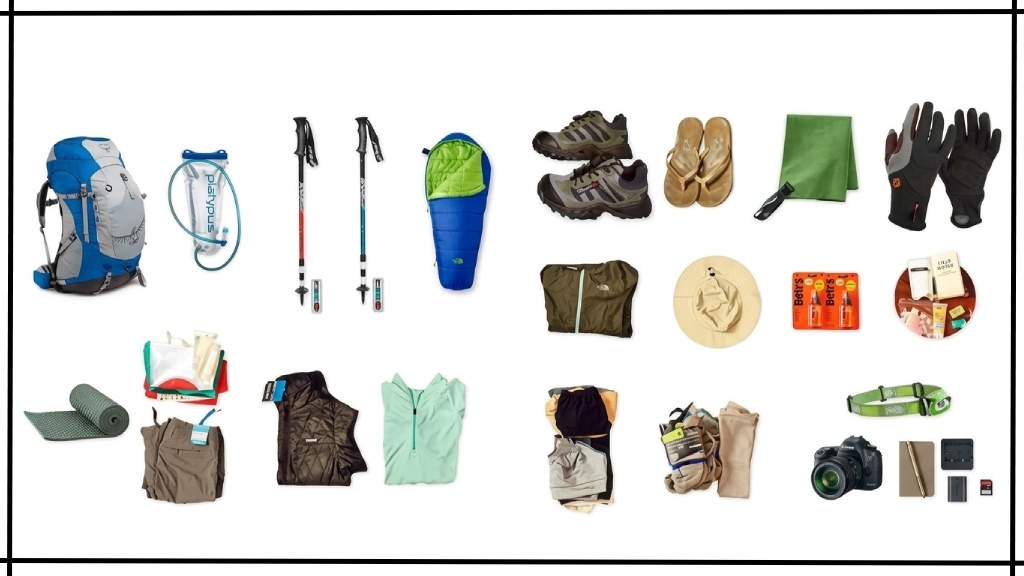
Think of your hiking clothes in three simple layers. Each one has a different purpose and helps you adapt to changing conditions throughout the day.
1. Base Layer: Hiking Shirts
Your hiking shirt will probably be the piece you wear the most. Choose a breathable, quick-drying shirt that helps manage sweat while you walk.
For a multi-day trek, two or three hiking shirts can be enough if you want to keep your backpack light. You don’t need a different shirt for every day.
Cotton can take longer to dry when it gets wet, so quick-drying technical fabrics are often more practical for long days on the trail.
2. Mid Layer: Fleece or Light Jacket
When temperatures drop, add a warm layer over your hiking shirt. A lightweight fleece is a practical option because it provides warmth without taking up too much space in your backpack.
You usually don’t need several thick layers. One good mid layer can be enough for cold mornings and evenings.
3. Outer Layer: Waterproof Jacket
Keep a waterproof jacket in your backpack throughout the trek. It can protect you from rain and wind, even during the drier months when weather conditions can change quickly.
Keep it somewhere easy to reach so you can put it on without having to unpack your entire backpack when the rain starts.
4. Hiking Pants
Choose lightweight, comfortable, and flexible pants that allow you to move easily during climbs, descents, and long sections of stone steps.
Convertible hiking pants can also be an option if you find them comfortable.
Most importantly, test your pants before the trek. A long day on the Inca Trail is not the time to discover that a seam rubs against your skin or that your pants restrict your movement.
What Footwear Should You Wear on the Inca Trail?
You don’t necessarily need heavy hiking boots for the Inca Trail. Hiking boots or hiking shoes can both work, as long as they are comfortable, provide good traction, and fit your feet well.
Hiking boots can offer more support and protection, while hiking shoes are generally lighter and more flexible. The right choice depends on your preferences and what you are used to wearing on long hikes.
The Most Important Rule: Don’t Break In Your Shoes on the Inca Trail
Wear your hiking shoes or boots on several walks before your trip. This gives you time to find out whether they cause rubbing, whether you need different socks, or whether any part of the footwear becomes uncomfortable after several hours.
Don’t Forget Your Hiking Socks
Bring several pairs of hiking socks that help manage moisture and reduce friction. If a pair gets wet, you can change into a dry one.
It’s also worth testing your socks before the trek. A small area of rubbing can quickly turn into a painful blister after several hours of walking.
What Should You Wear at Night?
Keep one clean, dry change of clothes exclusively for sleeping.
After a full day of hiking, changing out of damp clothes and putting on something dry can make a big difference when it’s time to rest.
Consider bringing:
- A dry T-shirt
- Clean underwear
- Comfortable pants
- Dry socks
- A thermal layer if you tend to feel cold
What Accessories Are Worth Packing?
You don’t need to bring every trekking accessory available. Focus on lightweight items that protect you from the sun, cold, wind, and rain.
Sun Protection
- Cap or sun hat
- Sunglasses
For Cold Weather
- Warm beanie
- Lightweight gloves
- Buff or neck gaiter
For Rain
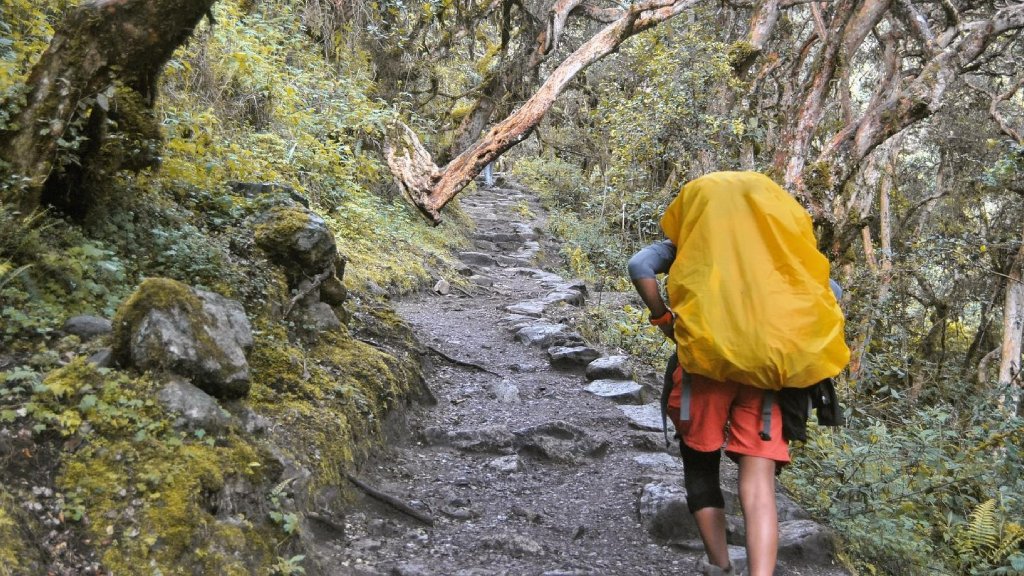
- Waterproof backpack cover
- Waterproof bags or dry bags
Use waterproof bags to keep your clothes and important documents protected if rain gets inside your backpack.
What to Wear on the Inca Trail by Season
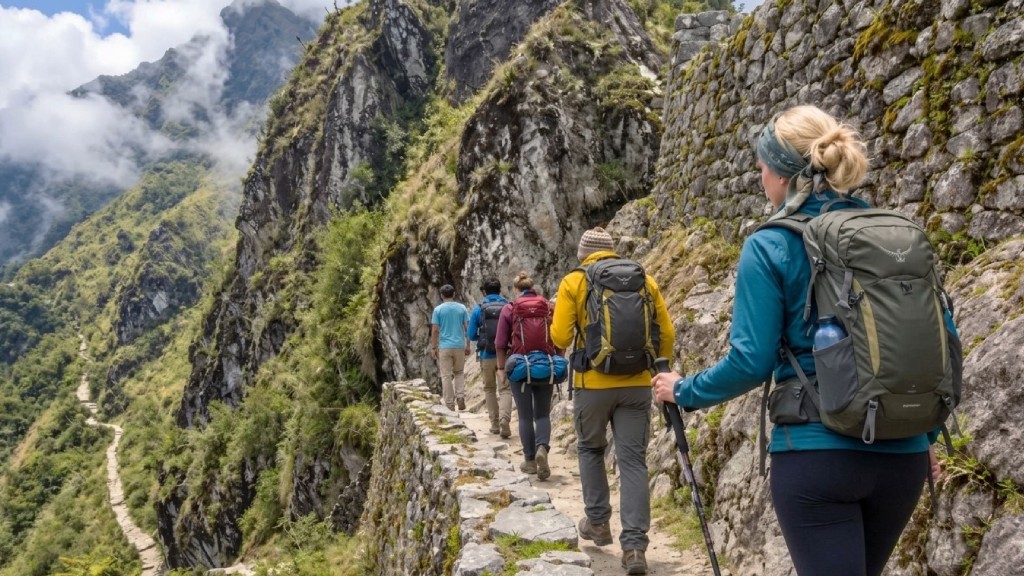
SERNANP identifies November through March as the rainy season and April through October as the generally drier period. Even so, mountain weather can change quickly, so a waterproof jacket is useful throughout the year.
April to October
During the generally drier months, prioritize lightweight clothing and layers that you can add during cold mornings and evenings.
Consider bringing:
- 2-3 quick-drying hiking shirts
- 1-2 pairs of hiking pants
- 1 fleece or light jacket
- 1 waterproof jacket
- 1 thermal base layer
- Hiking socks
- Sun protection
- Warm hat and lightweight gloves
November to March
During the rainy season, staying dry becomes a bigger priority. Along with your waterproof jacket, waterproof pants, a backpack cover, and waterproof bags can be especially useful.
Consider bringing:
- Waterproof jacket
- Waterproof pants
- Waterproof backpack cover
- Waterproof bags
- Extra pairs of socks
- A dry change of clothes for the night
Is It Cold on the Inca Trail?
Yes, especially during the early morning and at night.
SERNANP reports approximate temperatures of between 18 °C and 5 °C (64.4 °F and 41 °F) along the Inca Trail, although conditions can vary depending on elevation, location, and time of day.
That’s why dressing in layers is more practical than relying on one heavy piece of clothing. You can start with a hiking shirt, add a fleece when temperatures drop, and use your waterproof jacket as an outer layer when you need protection from wind or rain.
What Not to Wear on the Inca Trail
The Inca Trail is not the place to experiment with new clothing or footwear. Avoid:
- Brand-new hiking shoes or boots
- Jeans, especially for long days of hiking
- Cotton clothing as your only layer
- Bulky jackets that take up too much space
- Footwear with poor traction
- Clothing you haven’t tested during long walks
The Inca Trail Is Closed Every February
The Inca Trail Network remains closed throughout February each year for annual maintenance and conservation work. It normally reopens on March 1.
If you’re planning your trek, always check the latest official information before traveling, as access conditions can change.
Dress Smart and Enjoy the Inca Trail
Preparing for the Inca Trail doesn’t mean carrying a backpack full of clothes. The goal is to choose versatile pieces that you can combine and adapt to changing temperatures and weather conditions.
A quick-drying hiking shirt, a warm mid layer, a waterproof jacket, comfortable hiking pants, and well-broken-in footwear form the foundation. From there, add dry clothes for the night and the accessories you need for the season.
And remember: test your clothing and footwear before the trek. The Inca Trail is not the place to discover that something becomes uncomfortable after several hours of walking.
Planning your Inca Trail trek? Qosqo Expeditions can help you prepare for the journey, from planning your trek to getting your gear ready.

Leave a Reply