
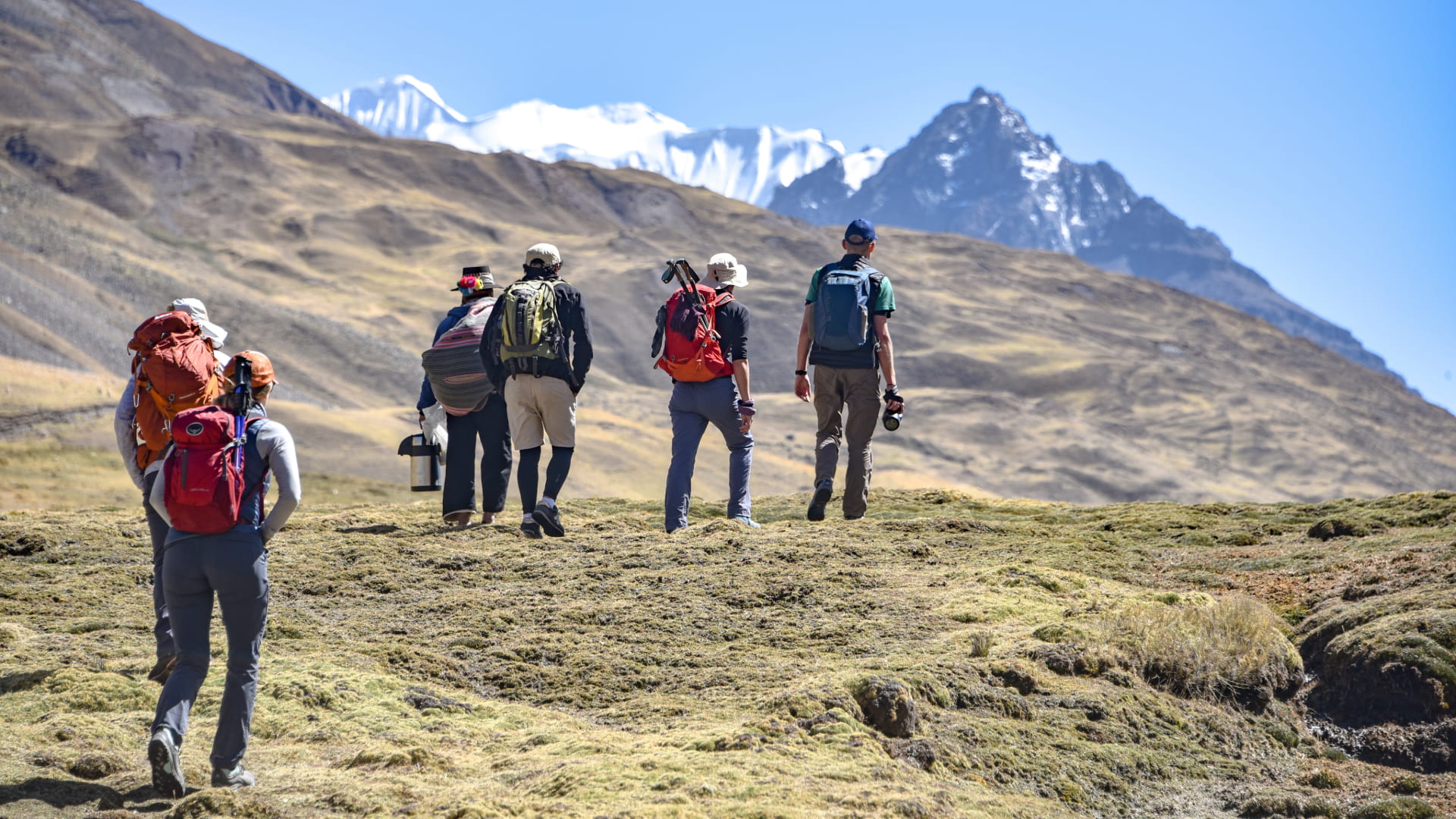
Crafting the best Cusco acclimatization itinerary is the true secret to a successful Andean journey. The greatest challenge here is often not a steep trail, but the thin, rarefied air. For the discerning traveler, proper acclimatization is an art form.
It involves designing a trip that works with your body, not against it. This guide will reveal the secrets to that art, settling the great debate: Sacred Valley first vs Cusco?
Why a Good Acclimatization Itinerary Matters
First, a quick primer. Altitude sickness, or “soroche,” occurs when your body cannot get enough oxygen from the air at high altitudes. Symptoms can range from a mild headache to more severe issues.
However, with smart planning, most visitors adjust smoothly. The most effective strategy is a slow, gradual ascent, which is a key part of all our curated Cusco Experiences.
The Best Cusco Acclimatization Itinerary: Sacred Valley First vs. Cusco
Your Peru itinerary planning altitude strategy hinges on one key decision: where you spend your first few nights.
The Common Mistake: Flying Directly to Cusco
Many travelers fly into Cusco (3,400m / 11,152 ft) and stay there. While exciting, this means forcing your body to adjust to a very high altitude from the moment you arrive. This approach significantly increases the risk of feeling unwell. Consequently, you may lose a day or two of your vacation to discomfort.
The Expert’s Choice: Starting in the Sacred Valley
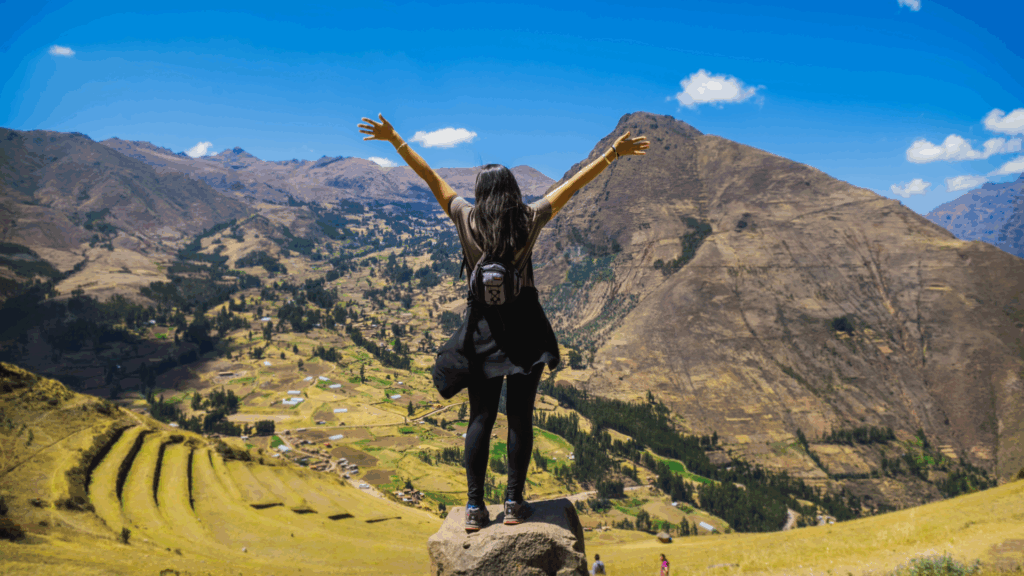
The best Cusco acclimatization itinerary follows a simple rule: start low, go high. The Sacred Valley, home to towns like Urubamba and Ollantaytambo, sits at a much lower altitude of around 2,800m (9,186 ft).
By flying into Cusco and immediately transferring down to the Sacred Valley for your first few nights, you allow your body to adjust gently. The air is richer with oxygen, which makes a world of difference. This is the single most effective decision you can make for your well-being.
How Many Days to Acclimatize in Cusco and the Valley
So, how many days to acclimatize in Cusco? We recommend a minimum of two to three full days at a stable altitude before attempting strenuous, high-altitude treks.
- Day 1: Arrive at Cusco airport. Take a private transfer directly down to your hotel in the Sacred Valley. Your only job is to rest, hydrate, and drink some soothing coca leaf tea .
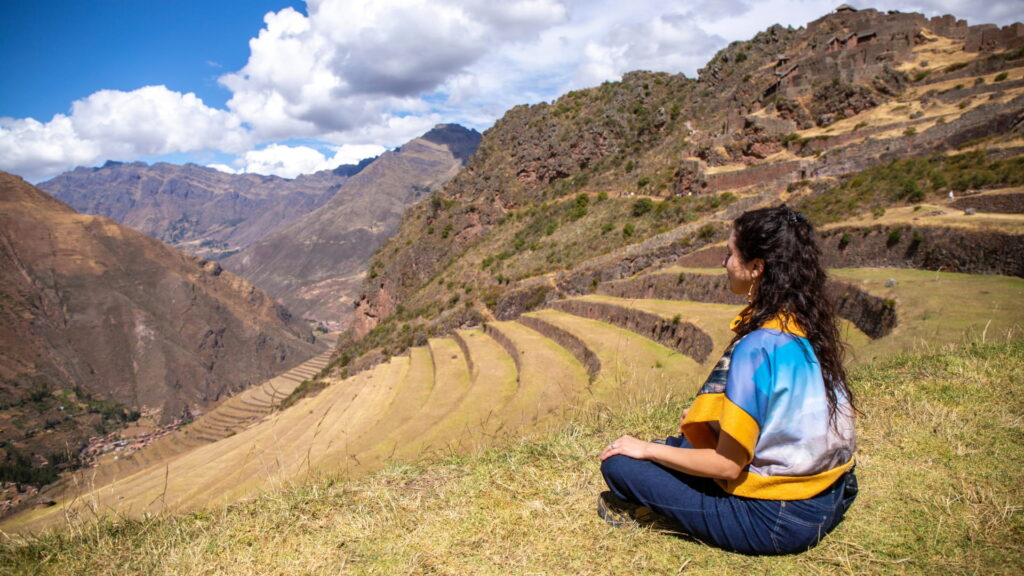
- Day 2: Enjoy gentle exploration of the Sacred Valley. Visit the Pisac market or the Ollantaytambo ruins. These activities are fascinating but not physically demanding.
- Day 3: You can now move up to Cusco city, feeling stronger and more adjusted.
- Day 4: With this solid foundation, your body is now prepared for the rigors of high-altitude adventures. You are ready for the breathtaking challenge of the Rainbow Mountain Tour or the stunning Full day Tour Humantay Lake .

This careful, intelligent pacing is the ultimate luxury. It ensures you arrive at these incredible sites feeling your best, ready to fully immerse yourself in the experience. For more details on these treks, you can also consult our Humantay Lake Guide and Rainbow Mountain Guide.


chat_bubble_outline Leave a Reply