
Andean Wildlife Peru Trek: More Than Just Scenery
Embarking on an andean wildlife Peru trek is more than a physical journey it’s an immersion into a living ecosystem shaped by altitude, culture, and ancient life. As you hike through regions like Humantay Lake, Rainbow Mountain, or Choquequirao, you’ll encounter species that define the Andes: from soaring condors to grazing vicuñas, each animal adds depth and meaning to your experience.
If you’re planning a trek that blends nature and culture, the Sacred Valley Retreat Peru offers a unique experience where Andean wildlife, ancestral rituals, and breathtaking landscapes come together in harmony.
Wildlife You’ll Encounter on Your Andean Trek
During your trek through the Andes whether it’s Choquequirao, Rainbow Mountain, or Humantay you’ll likely encounter a handful of emblematic species that define the region’s natural spirit:
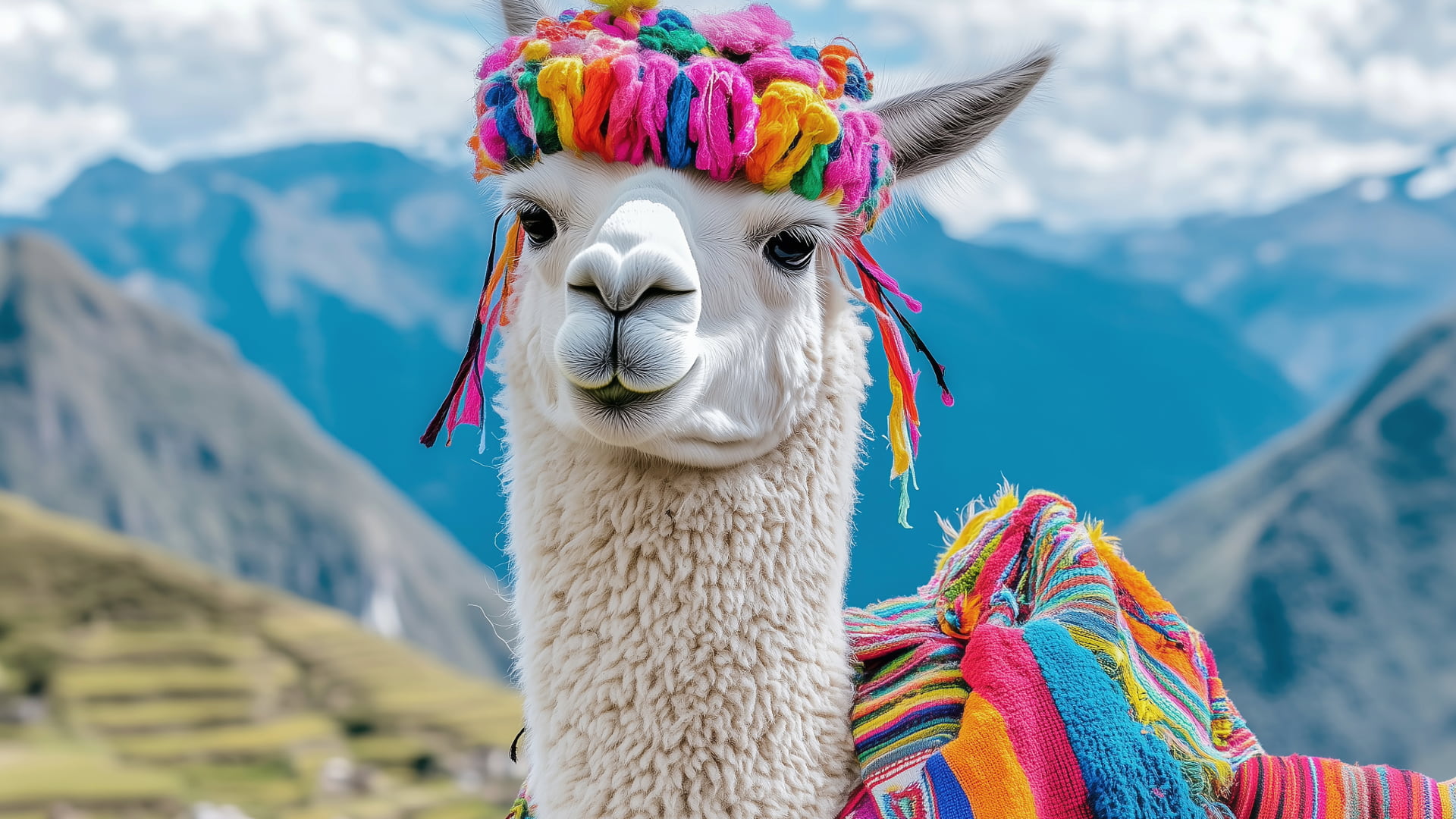
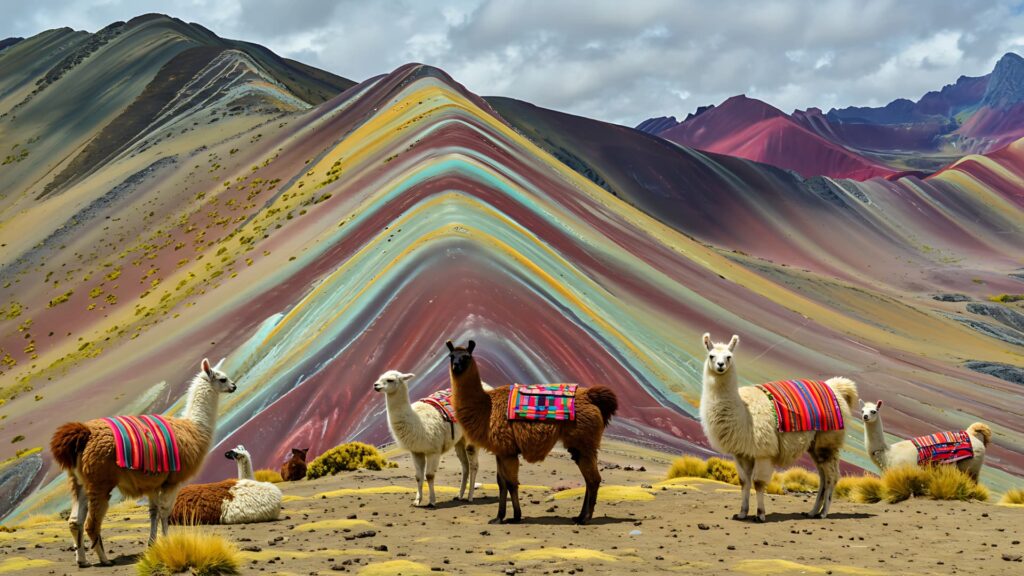
- Llamas and Alpacas: Domesticated icons of the Andes, often seen grazing near trails and archaeological sites.
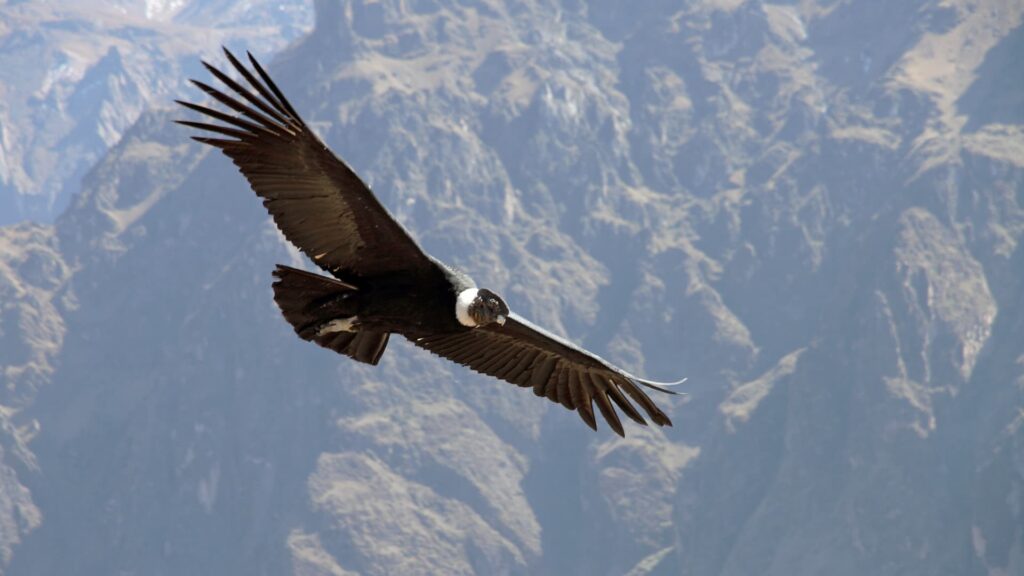
- Andean Condor: A sacred bird in Inca mythology, frequently spotted soaring above canyons like Apurímac.
- Vizcacha: A rabbit-like rodent with a long tail, often sunbathing on rocky ledges.
- Vicuña: The wild cousin of the alpaca, known for its fine wool and graceful presence in high-altitude plains.
These animals aren’t just part of the scenery they’re woven into the cultural and spiritual fabric of the Andes. For a chance to see vicuñas in their natural habitat, the Rainbow Mountain tour full day offers stunning high-altitude landscapes where they often graze.
Best Regions to Spot Andean Wildlife During Your Peru Trek
Wildlife sightings vary depending on the route, time of day, and season. Condors are most often seen gliding above the Apurímac Canyon during the Choquequirao trek, while vicuñas favor the high plains near Rainbow Mountain and Ausangate. Llamas and alpacas are common in the Sacred Valley and around Humantay Lake, especially in the early morning. The dry season (April to October) offers the best visibility, with clear skies and more active fauna along the trails.
If you’re looking for a scenic and accessible route, the Humantay Lake tour full day is ideal for spotting llamas and photographing alpine birds.
Cultural Meaning of Andean Wildlife
In Andean cosmology:
- The condor represents the upper world (hanan pacha)
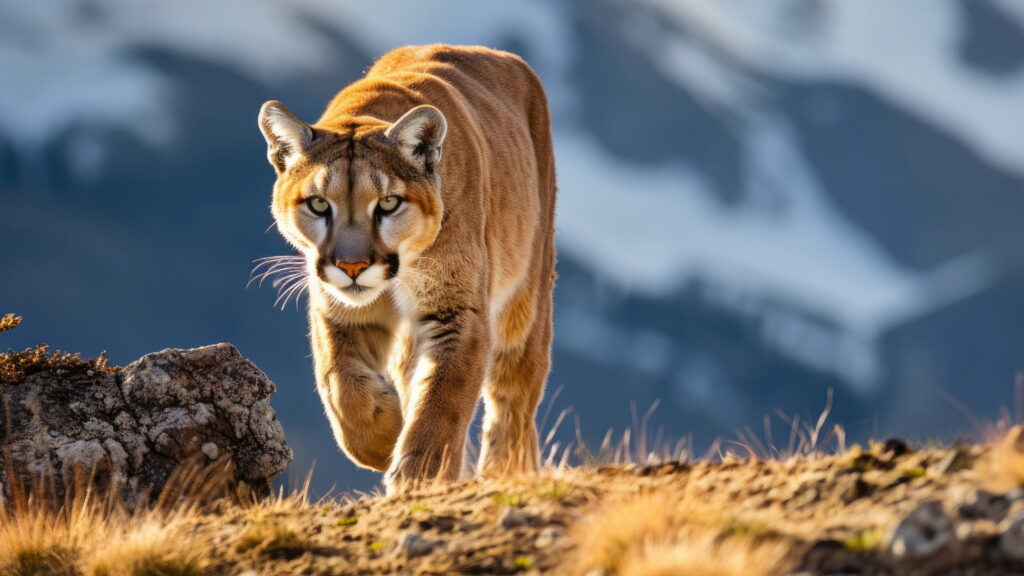
- The puma (though rare) symbolizes strength and the earthly world
- The snake (amaru) embodies wisdom and the underworld
Even llamas play ceremonial roles in festivals and rituals. Wildlife is not just visual} it’s spiritual. For deeper cultural immersion, the Sacred Valley Retreat Peru blends nature, wellness, and ancestral wisdom.
How to Respect Wildlife of the Andes While Trekking
- Keep a respectful distance use zoom lenses for photography
- Avoid feeding or approaching animals
- Follow your guide’s instructions in protected areas
- Stay on marked trails to avoid disturbing habitats
Final Reflection: Why Wildlife of the Andes Enriches Your Journey
Every trek in Peru is a journey through nature, culture, and spirit. Spotting a condor above the Apurímac Canyon or a vicuña grazing near Rainbow Mountain adds layers of meaning to your adventure. These animals are not just part of the scenery they’re part of the story.


chat_bubble_outline Leave a Reply