
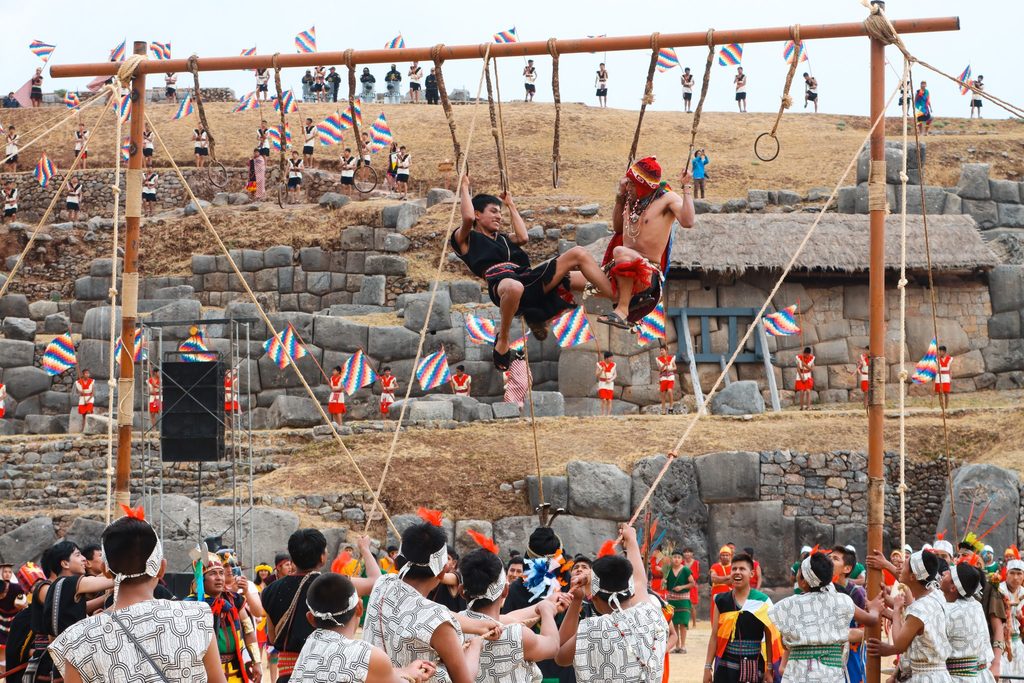
In the imperial structure of Tahuantinsuyo, chronological age never marked adulthood. Instead, young noble men proved their maturity through rigorous physical and spiritual endurance trials. Today, cultural organizations commemorate this heritage through the annual warachikuy festival at Sacsayhuaman.
Why the Ancient Incas Performed the Warachikuy
Centuries ago, the ancient Incas performed the warachikuy to celebrate civic maturity and induct young nobles into the warrior elite. The ritual took its name from the wara, a woven cloth garment symbolizing official adult status.
Candidates endured long fasts, mountain ascents, and high-altitude running races to demonstrate stamina. Furthermore, initiates faced mock battles and tests of emotional composure against drawn weapons without flinching. Spiritual preparation included pilgrimages from the Qorikancha temple to Mount Wanakauri, accompanied by ancestral libations and ceremonial dances.
Upon passing every trial, participants received offensive weaponry, defensive shields, and the formal imposition of the wara. High-ranking aristocrats also had their earlobes pierced for large metal earspools, earning them the title of “orejones” in Spanish chronicles.
Modern Reenactment at Sacsayhuamán
Today, students and faculty from the historic Colegio Nacional de Ciencias preserve this tradition in Cusco. Performers restage the entire ritual across the vast esplanade of the Sacsayhuamán Archaeological Park.
The theatrical staging educates residents and international travelers on Inca civic values, discipline, and ancestral rites. This public exhibition complements ongoing cultural initiatives across the southern Andes, reinforcing community identity and regional heritage education.
Leave a Reply